

As summer gives way to September and October, millions of people notice a shift in how they feel that goes beyond the social adjustment of changing seasons. Mood drops noticeably. Energy retreats. Sleep becomes excessive but unrefreshing. Motivation diminishes. The pull of comfort foods and indoor inactivity grows stronger. For some people these changes are mild and manageable, a seasonal dulling of the vitality that summer's light and activity provided. For others, the shift is clinically significant, meeting the criteria for seasonal affective disorder, a well-established subtype of major depression characterized by its predictable seasonal pattern.
Whether mild seasonal low mood or clinically significant SAD, the underlying biology is the same in kind if not in degree: reduced light exposure disrupts the serotonin and melatonin systems that regulate mood, energy, and sleep architecture. This biology has a nutritional dimension that most conversations about seasonal mood address only superficially, if at all. The neurotransmitter systems most disrupted by seasonal light reduction depend on specific nutritional cofactors. The gut microbiome, which the research increasingly recognizes as a primary regulator of serotonin availability and mood, shifts seasonally in ways influenced by dietary patterns. And the adaptogenic plant compounds that moderate HPA axis reactivity are directly relevant to the stress sensitivity that seasonal mood changes amplify. This blog covers what seasonal mood change is biologically and how specific plant nutrition compounds address its mechanisms.
The retinal light input that drives the seasonal mood shift operates through the suprachiasmatic nucleus of the hypothalamus, which coordinates serotonin and melatonin regulation based on the duration and intensity of daily light exposure. In summer, extended bright light exposure suppresses melatonin secretion during the day and maintains the serotonin transporter activity that regulates how long serotonin remains in synapses. As autumn progresses and photoperiod shortens, melatonin onset shifts earlier and its secretion period lengthens. The serotonin transporter becomes more active, shortening serotonin's synaptic dwell time and reducing the serotonergic tone that supports positive mood, motivation, and energy.
Research using brain imaging has documented measurable seasonal differences in serotonin transporter binding in SAD patients, with significantly higher transporter activity in winter that correlates with lower mood and energy. The altered serotonin-melatonin balance also disrupts circadian rhythm synchronization, producing the sleep phase delay that many people experience in autumn, where falling asleep earlier but feeling unrested reflects the melatonin-sleep relationship being poorly aligned with social sleep timing demands.
The gut-brain axis connection to seasonal mood operates through the gut microbiome's role in serotonin production and regulation. Approximately 95 percent of the body's total serotonin is produced in enterochromaffin cells of the gut wall, with gut bacterial populations directly regulating the expression of the tryptophan hydroxylase enzyme that produces serotonin from dietary tryptophan. When gut microbiome composition is healthier and more diverse, the gut serotonin production system functions more efficiently, contributing a more stable serotonergic signal to the gut-brain axis that supports mood regulation.
Research has found that gut microbiome composition changes seasonally, with reduced diversity and shifts in bacterial community composition during autumn and winter that parallel seasonal mood changes. The consistent daily plant polyphenol intake from a greens formula supports the beneficial bacterial populations most protective of gut serotonin production and gut-brain axis mood signaling, providing a gut-mediated nutritional contribution to seasonal mood support that is distinct from but complementary to the direct neurochemical mechanisms.
Serotonin is synthesized from the amino acid tryptophan through a two-step enzymatic process that requires Vitamin B6 as an essential cofactor for the second step, catalyzed by aromatic amino acid decarboxylase. When B6 status is suboptimal, serotonin synthesis efficiency falls, reducing the baseline serotonin availability that mood regulation depends on. This is mechanistically relevant to seasonal mood because the seasonal light-driven increase in serotonin transporter activity reduces serotonin's synaptic dwell time, and if baseline production is already limited by B6 insufficiency, the resulting serotonergic tone may fall below what mood stability requires.
Spirulina's comprehensive B-vitamin complex, including B6, B12, B2, B3, and folate, supports not only serotonin synthesis but the full range of neurotransmitter metabolic pathways. Dopamine synthesis similarly requires B6 as a cofactor. Methylation of mood-relevant genes including those regulating serotonin transporter expression depends on B12 and folate in the one-carbon metabolism cycle. Consistent daily B-vitamin support from Spirulina through a greens formula maintains the neurotransmitter synthesis capacity that seasonal light reduction most actively challenges.
Magnesium supports GABA receptor function, the inhibitory neurotransmitter system that moderates anxiety and emotional reactivity. In the autumn-winter season, when seasonal mood shifts increase stress sensitivity and emotional reactivity, adequate magnesium helps maintain the inhibitory neurotransmitter tone that prevents minor stressors from producing outsized emotional responses. Magnesium deficiency is associated with increased anxiety, depressive symptoms, and irritability through multiple neurological mechanisms, and research has documented that magnesium supplementation reduces anxiety and mood-related symptoms in stressed adults.
The seasonal challenges of autumn, schedule compression, return of full work commitments, reduced physical activity, and the social and family demands of the holiday approach, all contribute to increased stress reactivity during the period when seasonal light reduction is already compromising mood-regulatory neurochemistry. The magnesium from Barley Grass Powder and Wheatgrass Powder in a daily greens formula supports the GABA system's capacity to moderate this combined stress and seasonal mood challenge.
Seasonal mood changes involve the HPA axis as well as the serotonin-melatonin system. The cortisol awakening response, the natural morning cortisol peak that prepares the body for the active day, is dysregulated in SAD and seasonal low mood, producing a blunted morning energy activation that many people experience as difficulty waking and persistent morning fatigue in winter months. The stress sensitivity of autumn and the loss of summer's natural mood-elevating light and activity also increase HPA axis reactivity throughout the day.
Siberian Ginseng and Astragalus Root, the adaptogenic components of a daily greens formula, gradually recalibrate the HPA axis toward more proportionate cortisol responses over weeks of consistent daily use. This recalibration addresses the cortisol awakening response dysregulation of seasonal mood and reduces the hyperreactive stress sensitivity that autumn's combined seasonal and schedule demands produce. The most meaningful adaptogenic mood benefit is not acute but cumulative, building over the weeks of September and October to produce a more resilient HPA axis baseline through the most challenging mood period of the seasonal calendar.
The biology of seasonal mood disorders and the dietary and nutritional factors that influence serotonin, gut-brain axis mood regulation, and HPA axis function are increasingly well-characterized in the research literature.
Seasonal mood changes are biologically real, neurochemically specific, and meaningfully influenced by the nutritional environment that supports or undermines the systems involved. Reduced serotonergic tone from seasonal light changes meets its nutritional cofactor dependency in the B vitamins from Spirulina that support serotonin and dopamine synthesis. The gut microbiome-serotonin axis that seasonal dietary shifts compromise meets its support in the daily plant polyphenol input of a greens formula that continuously enriches the beneficial gut populations most protective of tryptophan-serotonin metabolism. And the HPA axis stress hyperreactivity of autumn meets its adaptive counterweight in the gradual adaptogenic recalibration of Siberian Ginseng and Astragalus Root.
For people experiencing seasonal mood changes in the mild to moderate range, consistent daily plant nutrition through a greens formula is one of the most practically accessible nutritional contributions to seasonal emotional resilience available. For people experiencing clinically significant seasonal depression, this blog does not substitute for professional evaluation and treatment. Light therapy, psychotherapy, and in appropriate cases antidepressant medication have the strongest evidence base for clinical SAD treatment, and a greens drink supports the nutritional foundations alongside rather than instead of those approaches.
Seasonal affective disorder is a clinically defined condition diagnosed when seasonal depressive episodes meet the criteria for major depressive disorder and have occurred for at least two consecutive years with predictable seasonal onset and remission. Seasonal low mood, sometimes called the winter blues, refers to milder, subclinical seasonal mood changes that are very common but do not meet the diagnostic threshold for SAD. Both involve similar biological mechanisms at different magnitudes, and both have a nutritional dimension worth addressing.
September is the ideal window to reinforce or start the daily greens habit for seasonal mood support. The adaptogenic HPA axis recalibration from Siberian Ginseng and Astragalus requires several weeks of consistent daily use to produce meaningful functional benefit, and the gut microbiome changes from consistent plant polyphenol intake take four to six weeks to stabilize. Starting in September allows these gradual mechanisms to develop before the peak seasonal mood challenge of November through February.
The B vitamins from Spirulina support serotonin synthesis, which is one of the drivers of carbohydrate cravings in seasonal mood states, as the body seeks the temporary serotonin boost that carbohydrate intake produces through insulin-mediated tryptophan transport to the brain. Maintaining serotonin synthesis capacity through adequate B6 and other neurotransmitter cofactors may reduce the intensity of these carbohydrate craving drives. The magnesium from Barley Grass and Wheatgrass also supports the GABA system that moderates the emotional eating drives that seasonal mood changes amplify.
Exercise is one of the most consistently evidence-supported interventions for both SAD and subclinical seasonal low mood, operating through serotonin and BDNF upregulation that directly addresses the neurobiological mechanisms of seasonal mood change. A daily greens drink complements exercise for seasonal mood by providing the B vitamins that support neurotransmitter synthesis during and after exercise, the iron from Spirulina that maintains the oxygen delivery exercise depends on, and the adaptogenic support that helps maintain the motivation and energy for exercise during the seasonal motivation deficit.
No. Clinical seasonal affective disorder requires professional evaluation and evidence-based treatment, which may include light therapy, cognitive behavioral therapy adapted for SAD, and in appropriate cases antidepressant medication. These approaches have strong clinical evidence and are appropriate for clinically significant seasonal depression. A daily greens drink supports the nutritional dimensions of mood regulation as a complement to these evidence-based treatments, not as an alternative to professional care.
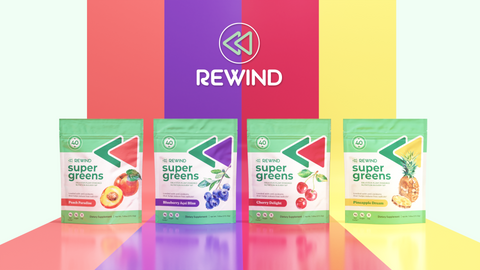
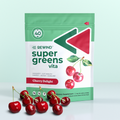
Cherry Delight
$39.99
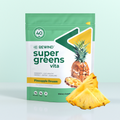
Pineapple Dream
$39.99
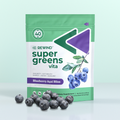
Blueberry Acai Bliss
$39.99


