

Hormonal acne is one of the most frustrating skin conditions to navigate because it operates on a completely different biological logic from the teenage acne that most people associate with breakouts. In adult hormonal acne, the characteristic deep, tender cysts and papules that appear around the chin, jaw, and lower face are not primarily about bacteria or pore hygiene. They are the visible consequence of hormonal and metabolic dynamics that begin far from the skin surface, in the signaling pathways connecting insulin, androgens, the sebaceous gland, and the inflammatory cascade that turns a clogged follicle into a painful inflammatory lesion.
The conventional dermatological conversation about hormonal acne focuses on topical treatments and hormonal medications. These are appropriate for many people and have their place. But the research on adult hormonal acne has increasingly pointed to the dietary and metabolic environment as a fundamental driver that topical and pharmaceutical approaches do not address at its root. This blog explains what causes hormonal acne at the biological level, which nutritional factors most powerfully influence those causes, and how specific ingredients in a daily greens formula address the internal conditions from which hormonal acne arises.
Adult hormonal acne, most common in women between the ages of 25 and 50, is driven by a convergence of androgenic signaling and insulin resistance that is distinct from the broad hormonal surge of adolescence. The sebaceous glands in the skin respond to androgens, particularly dihydrotestosterone, by increasing in size and ramping up sebum production. In adult women, this androgenic stimulation comes not only from the ovaries but from the adrenal glands, which are sensitive to stress, and from peripheral androgen conversion in adipose and skin tissue.
What makes the dietary dimension so relevant is the role of insulin and insulin-like growth factor-1, or IGF-1. When blood glucose rises rapidly, as it does after high-glycemic meals or sugary beverages, insulin spikes and stimulates IGF-1 production in the liver. IGF-1 acts directly on sebaceous glands to increase sebum production, stimulates keratinocyte proliferation that blocks follicle openings, and upregulates androgen receptor sensitivity in the skin, making sebaceous glands more reactive to the same androgenic signal. This insulin-IGF-1-androgen cascade is the primary mechanism linking Western dietary patterns to adult acne, and it explains why acne improvement following dietary changes is a reproducible finding in clinical research.
The research connecting dietary glycemic load to acne severity is now robust enough to have influenced clinical dermatology guidelines. Multiple randomized controlled trials and systematic reviews have found that reducing dietary glycemic load produces measurable reductions in acne lesion counts, sebum production, and inflammatory acne markers. The mechanism is consistently identified as the reduction in insulin and IGF-1 levels that follows lower-glycemic eating, which in turn reduces the androgenic stimulation of sebaceous glands and the keratinocyte proliferation that plugs follicle openings.
For people whose hormonal acne is concentrated in the lower face and jaw, with cyclical worsening before menstruation, blood sugar management is particularly relevant. The luteal phase hormonal shifts that characterize the premenstrual week include increased insulin resistance, which amplifies the insulin-IGF-1 acne axis and explains the predictable pre-period breakout pattern that many women experience. Green Tea Extract EGCG in a daily greens formula addresses this mechanism through its documented effects on insulin sensitivity and its inhibition of the mTORC1 signaling pathway that IGF-1 activates to stimulate sebum production.
Green Tea Extract EGCG has the most specifically documented evidence among plant compounds for anti-acne mechanisms. Research has found that EGCG inhibits the mTORC1 signaling pathway that IGF-1 activates in sebocytes, the sebum-producing cells of the sebaceous gland, directly reducing the IGF-1-driven sebum overproduction that feeds acne lesion formation. EGCG also inhibits 5-alpha reductase, the enzyme that converts testosterone to the more potent dihydrotestosterone in skin tissue, modestly reducing the androgenic stimulation of sebaceous glands at the local skin level.
A systematic review and meta-analysis of Green Tea Extract's effects on acne found significant reductions in inflammatory acne lesion counts with both topical and oral Green Tea Extract, supporting the plant compound's relevance to acne management through anti-sebum, anti-inflammatory, and anti-androgenic mechanisms. Consistent daily EGCG intake through a greens formula delivers these mechanisms systemically alongside the other acne-relevant plant compounds in the formula.
Zinc has the most extensive clinical evidence of any nutritional supplement for acne management, with multiple randomized controlled trials documenting meaningful reductions in acne lesion counts from oral zinc supplementation. The mechanisms are multiple: zinc inhibits 5-alpha reductase activity, reducing local androgen conversion in skin tissue. It reduces the inflammatory signaling in sebaceous glands and keratinocytes. It supports the integrity of the skin barrier that prevents the colonization of acne-prone follicles by the bacteria that transform sebum plugs into inflammatory lesions. And it modulates the toll-like receptor signaling through which the immune system responds to follicular bacteria.
Spirulina is among the most zinc-dense plant foods available, providing consistent daily zinc in a food-matrix form that supports the multiple acne-relevant mechanisms that research has established. For people whose hormonal acne has a component of androgen sensitivity, the 5-alpha reductase inhibitory effect of zinc represents a genuinely anti-androgenic dietary intervention at the local skin level.
Acne lesion formation is not only about sebum overproduction and follicular plugging. The transition from a comedone, a clogged but non-inflammatory follicle, to a painful inflammatory papule or cyst involves an immune inflammatory cascade triggered by bacteria and oxidized sebum within the follicle. Quercetin Dihydrate inhibits the NF-kB pathway that drives this inflammatory cascade, reducing the cytokine production that converts minor follicular plugging into painful inflammatory lesions. Its mast cell-stabilizing effects reduce the histamine and inflammatory mediator release that contributes to the redness and pain of hormonal acne lesions.
Acerola Vitamin C contributes through its essential role in collagen synthesis that maintains the follicle wall integrity, reducing the rupture that converts an inflamed follicle into a deeper, more painful cystic lesion. The antioxidant protection of the full greens formula polyphenol network also reduces the oxidative modification of sebum within follicles, as oxidized sebum is significantly more pro-inflammatory than native sebum and a primary trigger of the immune response that drives cystic acne formation.
Stress exacerbates hormonal acne through multiple well-documented mechanisms. Cortisol stimulates adrenal androgen production, adding to the androgenic load on sebaceous glands during stressful periods. The cortisol spike of acute stress increases blood glucose, stimulating insulin and IGF-1 in the same acne-driving cascade as a high-glycemic meal. Chronic stress increases gut permeability, allowing bacterial endotoxins into the circulation that amplify systemic inflammation and skin immune reactivity. And the neurogenic inflammation mediated by substance P released by stress-activated nerve fibers in skin tissue directly stimulates sebaceous gland activity and mast cell degranulation in skin.
The adaptogenic support from Siberian Ginseng and Astragalus Root in a greens formula moderates the cortisol response to stress over weeks of consistent daily use, reducing the stress-driven androgenic and inflammatory mechanisms that worsen acne. For people whose breakouts are reliably stress-related, this HPA axis-modulating adaptogenic support addresses the mechanism rather than the symptom in a way that no topical acne product can.
The dietary and nutritional factors in hormonal acne pathogenesis and management are increasingly well-established in dermatological research.
Hormonal acne is a skin condition rooted in systemic biology: the insulin-IGF-1 cascade, androgenic sebaceous gland stimulation, oxidative sebum modification, follicular inflammation, and stress-driven adrenal androgenesis that combine to produce the distinctive, frustrating breakout pattern of adult hormonal acne. Topical treatments address the skin surface. A daily greens drink addresses the internal environment from which hormonal acne originates.
EGCG from Green Tea Extract inhibits the mTORC1 sebum signaling and 5-alpha reductase androgenic mechanism. Zinc from Spirulina reduces 5-alpha reductase activity and sebaceous gland inflammatory signaling. Quercetin reduces the NF-kB inflammatory cascade that converts follicular plugging into painful inflammatory lesions. Adaptogenic support moderates the stress-cortisol-androgen pathway. And the blood sugar-stabilizing, insulin-sensitivity-supporting effects of the full polyphenol and Green Tea compound profile address the dietary IGF-1 mechanism at its source. The skin you are trying to clear is listening to everything your body does. A greens habit is one of the most coherent things you can do from the inside.
A greens powder addresses the nutritional dimension of hormonal acne's causes, which is meaningful but typically not sufficient as a standalone approach. For moderate to severe hormonal acne, dermatological management including topical treatments, antibiotics, or hormonal medications may be necessary. A daily greens habit works best as a complementary internal nutritional strategy alongside appropriate medical care rather than as a substitute for it.
The skin cell turnover cycle is approximately 28 days, meaning that changes in the internal environment that drives acne take at least one full skin cycle to begin showing in skin appearance. Most research on dietary interventions for acne shows meaningful improvements at 8 to 12 weeks of consistent dietary change. Expect a minimum of two to three months of consistent daily greens use before evaluating its impact on hormonal acne, as changes in sebum production and skin inflammation accumulate gradually over this timeframe.
The research on dairy and acne has found associations between dairy consumption, particularly skim milk, and increased acne severity in multiple studies. The proposed mechanism involves the IGF-1 content of dairy products and the bovine hormones in milk that may activate androgen receptors in human sebaceous glands. While the evidence is associational rather than definitively causal, many people with hormonal acne report improvement when they reduce dairy intake alongside other dietary improvements.
Yes. People with hormonal acne that worsens predictably with dietary patterns, stress, and the menstrual cycle are most likely to see meaningful improvement from dietary interventions. People whose hormonal acne does not follow these patterns may have a stronger genetic or hormonal component that requires medical management. The dietary-acne connection operates through the insulin-IGF-1-androgen pathway, and people with insulin resistance or higher IGF-1 sensitivity in their sebaceous glands are most likely to show dietary responsiveness.
In most cases, yes. A daily greens drink's anti-inflammatory and nutritional support is generally compatible with topical retinoids, antibiotics, and most oral hormonal medications. The exception worth discussing with a prescribing physician is if isotretinoin is part of management, as isotretinoin significantly affects the skin and systemic physiology in ways that warrant medical guidance on all supplements. For other acne medications, the nutritional support of a greens formula is additive rather than interfering.
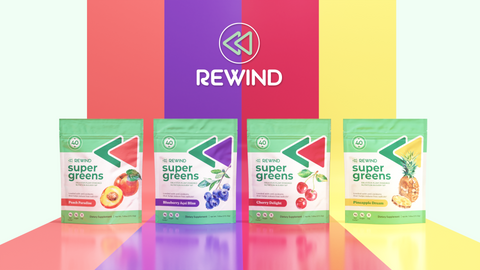
Cherry Delight
$39.99
Pineapple Dream
$39.99
Blueberry Acai Bliss
$39.99


