

Metabolic syndrome is not a single disease. It is a cluster of five interconnected metabolic abnormalities that occur together with alarming frequency in modern populations: central obesity, elevated blood pressure, high fasting blood glucose, elevated triglycerides, and low HDL cholesterol. When three or more of these five conditions are present in the same person, the diagnosis of metabolic syndrome applies, and with it comes a dramatically elevated risk of type 2 diabetes, cardiovascular disease, non-alcoholic fatty liver disease, stroke, and cognitive decline.
The global prevalence of metabolic syndrome has risen sharply over the past three decades alongside the spread of Western dietary patterns and sedentary lifestyles. Research estimates that between 25 and 35 percent of adults in developed countries now meet the criteria for metabolic syndrome, making it one of the most widespread and consequential chronic health conditions affecting the modern adult population. What makes metabolic syndrome both concerning and genuinely addressable is that its underlying drivers, specifically oxidative stress, chronic inflammation, and insulin resistance, are meaningfully responsive to dietary plant compounds. A daily super greens drink does not treat metabolic syndrome, and anyone with these conditions should work with their healthcare provider. But the plant polyphenols in a well-formulated greens formula address the core pathological mechanisms of metabolic syndrome through documented biological pathways.
Metabolic syndrome's five components appear diverse at first glance: abdominal fat accumulation, elevated blood pressure, disrupted glucose metabolism, and abnormal lipid profiles. But they share a common upstream driver: insulin resistance. When cells become resistant to insulin's signaling, the pancreas compensates by producing more insulin to drive glucose into cells. Chronically elevated insulin promotes fat storage, particularly in the visceral adipose tissue of the abdomen. Excess visceral fat secretes inflammatory adipokines that worsen insulin resistance, elevate blood pressure through endothelial effects, increase triglyceride production in the liver, and drive the low HDL pattern that characterizes metabolic dyslipidemia. The whole cluster, arising from insulin resistance and amplified by visceral fat and chronic inflammation, is metabolic syndrome.
Oxidative stress is the other central driver. People with metabolic syndrome have measurably higher levels of reactive oxygen species and lower antioxidant enzyme activity than metabolically healthy controls. The oxidative stress impairs insulin signaling, promotes fat cell inflammation, damages arterial endothelial cells, and drives the atherosclerotic process that links metabolic syndrome to cardiovascular disease. Addressing both insulin resistance and oxidative stress is the nutritional strategy most relevant to metabolic syndrome management, and plant polyphenols address both.
Resveratrol activates SIRT1 and AMPK, two key regulators of cellular energy metabolism and insulin sensitivity. AMPK activation mimics the metabolic effects of exercise at the cellular level, improving glucose uptake in muscle cells and reducing hepatic glucose production. SIRT1 activation reduces the inflammatory signaling in adipose tissue that drives insulin resistance. Clinical research on Resveratrol in people with metabolic syndrome and type 2 diabetes has found improvements in fasting glucose, insulin sensitivity markers, and inflammatory cytokine levels, supporting its role as a genuine dietary insulin sensitizer.
Quercetin Dihydrate addresses insulin resistance through GLUT4 glucose transporter translocation, improving the cellular machinery for glucose uptake in muscle and adipose tissue. It also inhibits the inflammatory NF-kB pathway in adipose tissue that drives the production of adipokines worsening insulin resistance. Research has found Quercetin supplementation reduces fasting insulin and HOMA-IR measures of insulin resistance in populations with elevated metabolic risk, confirming its relevance to the glucose metabolism dimension of metabolic syndrome.
Green Tea Extract EGCG has documented effects across several metabolic syndrome components. It inhibits intestinal carbohydrate and fat absorption, reducing postprandial glucose and triglyceride spikes. It activates AMPK in liver and muscle cells, improving fat oxidation and glucose metabolism. It reduces hepatic fat accumulation by inhibiting fatty acid synthase, addressing the liver fat that is both a consequence and a driver of metabolic syndrome. And its anti-inflammatory effects reduce the adipose tissue inflammation that sustains insulin resistance. Clinical meta-analyses of Green Tea Extract in metabolic syndrome and overweight populations have found consistent improvements in fasting glucose, LDL cholesterol, blood pressure, and body weight, making it one of the most broadly effective single plant compounds for metabolic syndrome management identified in the research literature.
Spirulina has been studied directly in metabolic syndrome populations with consistently positive findings. Research has found that Spirulina supplementation reduces fasting blood glucose, triglycerides, and LDL cholesterol while improving HDL cholesterol in adults with metabolic syndrome features. Its phycocyanin reduces the inflammatory adipokines produced by visceral fat. Its comprehensive micronutrient profile, including magnesium for insulin receptor function, zinc for pancreatic insulin secretion, and B vitamins for the metabolic pathways of energy metabolism, addresses the micronutrient gaps that frequently coexist with and worsen metabolic syndrome. And its chlorophyll content may support the hepatic detoxification of the lipid peroxidation products that accumulate in metabolic syndrome.
Oxidative stress is not merely a consequence of metabolic syndrome. Research now recognizes it as a primary driver that perpetuates the syndrome's components in a self-reinforcing cycle. Elevated blood glucose produces glycation end products that generate reactive oxygen species. Excess visceral fat produces inflammatory signaling that increases mitochondrial ROS. Hypertension impairs endothelial antioxidant defense. And the resulting oxidative environment further impairs insulin signaling, worsens endothelial function contributing to hypertension, and promotes LDL oxidation driving cardiovascular risk.
The comprehensive antioxidant network of a daily greens formula, including Quercetin, Resveratrol, EGCG, Grapeseed Extract proanthocyanidins, Blueberry and Bilberry anthocyanins, Acerola Vitamin C, and Spirulina phycocyanin, addresses this oxidative cycle from multiple angles simultaneously. The diversity of antioxidant mechanisms ensures coverage across the different cellular compartments and free radical types that metabolic syndrome generates. Consistent daily antioxidant input from plant-based sources, rather than sporadic high doses of isolated synthetic antioxidants, is the approach most aligned with the research showing metabolic benefit.
The evidence for plant polyphenols and plant-based dietary patterns in metabolic syndrome management is extensive and increasingly well-established.
Metabolic syndrome is the defining chronic health challenge of the modern era. Its five components, individually concerning and together synergistically dangerous, arise from the shared upstream drivers of insulin resistance and oxidative stress that Western dietary patterns reliably produce and that plant polyphenol-rich dietary approaches reliably counter. A daily greens drink does not reverse established metabolic syndrome, and medical management of its components remains essential. What it does provide is a consistent, concentrated daily input of the plant compounds most consistently documented to address the core mechanisms: Resveratrol and Quercetin for insulin sensitization, EGCG for multi-component metabolic improvement, Spirulina for direct metabolic syndrome biomarker reduction, and the comprehensive antioxidant network for the oxidative stress that sustains the syndrome's self-reinforcing cycle.
As a daily nutritional foundation alongside medical care, dietary improvement, physical activity, and weight management, a daily greens drink is one of the most practically comprehensive plant polyphenol investments available for people managing or seeking to prevent metabolic syndrome.
No. A greens drink is a nutritional supplement that addresses the dietary plant polyphenol dimension of metabolic syndrome management. It does not replace prescribed medications for blood pressure, glucose, or lipids, and should never be discontinued without medical supervision. For the best outcomes, nutritional support through a daily greens habit works alongside, not instead of, appropriate medical management and lifestyle interventions including physical activity and dietary improvement.
Research shows polyphenols have documented effects across all five components, but the evidence is most consistent for improvements in fasting glucose and insulin sensitivity, inflammatory markers that underlie all components, and lipid profiles including triglycerides and HDL cholesterol. Blood pressure improvements from polyphenols are meaningful but typically of a more modest magnitude than the glucose and lipid effects in clinical trials. Individual responses vary based on baseline levels and overall lifestyle context.
Clinical trials of polyphenol interventions for metabolic syndrome features typically show measurable changes in glucose, lipid, and inflammatory markers at 8 to 12 weeks of consistent daily use, with some markers showing improvement as early as 4 to 6 weeks. Long-term consistent daily use is required to produce and maintain these changes, as they reflect cumulative shifts in metabolic biology rather than acute pharmacological effects. Quarterly blood work monitoring can help track the impact of nutritional interventions over time.
Yes. A morning greens drink taken at the end of the overnight fast, during the eating window in a time-restricted eating approach, is compatible with most intermittent fasting protocols. Taking greens at the first meal of the day within the eating window maintains the circadian alignment benefits of morning intake while fitting within the fasting structure. The metabolic benefits of time-restricted eating and the polyphenol contributions of a daily greens drink are complementary rather than competing approaches to insulin resistance management.
Research has documented Spirulina's beneficial effects on multiple metabolic syndrome components including fasting blood glucose, triglycerides, LDL cholesterol, and blood pressure in clinical supplementation studies. Its effects on all five components have not all been studied with equal rigor, and the magnitude of effect at a greens powder serving dose is more modest than at the higher doses used in some Spirulina-specific clinical trials. As part of a broader polyphenol network in a greens formula, Spirulina contributes meaningfully to the multi-component metabolic support that metabolic syndrome management requires.


Cherry Delight
$39.99

Pineapple Dream
$39.99
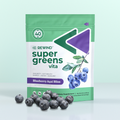
Blueberry Acai Bliss
$39.99


