

Super greens can play a meaningful role in postpartum recovery by helping new mothers replenish nutrients depleted during pregnancy and childbirth. Iron-rich greens like spinach and kale support recovery from postpartum anemia, which affects 50-80% of new mothers. Vitamin D from greens helps stabilize mood and immunity during a vulnerable time, while folate and B vitamins combat the exhaustion that comes with sleepless nights and breastfeeding demands.
Greens powder offers a practical solution for mothers who need nutrient-dense support but lack time for elaborate meal prep. One scoop delivers concentrated nutrients from whole-food sources, addressing common postpartum deficiencies without adding another complicated step to an already overwhelming routine. While greens powder isn't a replacement for medical care or postnatal vitamins, it fills nutritional gaps when eating well feels impossible.
The postpartum period is physically and emotionally demanding in ways many new mothers don't anticipate. Between blood loss during delivery, the physical recovery process, and the immediate demands of breastfeeding, the body's nutrient stores become depleted rapidly. What often gets dismissed as "normal new mom exhaustion" is frequently undiagnosed nutrient deficiency.
Postpartum anemia affects 50-80% of new mothers, yet it often goes untreated. Iron stores drop significantly during pregnancy and delivery, especially after cesarean sections or complicated births. Meanwhile, breastfeeding requires an additional 300-500 calories daily plus increased vitamin and mineral intake to produce quality milk. The body is essentially running a nutrient deficit while trying to heal, feed a baby, and function on minimal sleep.
Vitamin D deficiency is another widespread issue, affecting up to 75% of postpartum women. Low vitamin D levels correlate strongly with postpartum depression, weakened immunity, and bone density loss. Yet most new mothers spend little time outdoors in those early weeks, compounding the problem.
Time constraints make proper nutrition nearly impossible for many new mothers. Preparing balanced meals while caring for a newborn feels like an unattainable goal. The emotional weight of fatigue, mood swings, and brain fog often has a nutritional component that simple dietary changes could address. New mothers are asking about super greens because they need effective, time-efficient solutions that actually work when nothing else feels manageable.
Greens like spinach, kale, and moringa contain plant-based iron that helps rebuild stores depleted during pregnancy and delivery. While plant iron isn't as readily absorbed as heme iron from meat, pairing greens with vitamin C enhances absorption significantly. Many greens powders combine iron-rich vegetables with vitamin C sources for this exact reason.
Certain greens and algae like spirulina provide vitamin D2, supporting immune function and mood regulation during postpartum recovery. Low vitamin D levels are strongly linked to postpartum depression, making adequate intake crucial for mental health. Even modest amounts from greens contribute to daily needs when combined with other sources.
Leafy greens are packed with folate and B vitamins that support cellular energy production and red blood cell formation. These nutrients combat the profound fatigue new mothers experience, especially when combined with adequate sleep (when possible). B vitamins also support nervous system function during a stressful, sleep-deprived period.
Greens deliver antioxidants like vitamins C and E, beta-carotene, and polyphenols that support tissue healing after delivery. Whether recovering from vaginal tearing or cesarean incision, the body needs antioxidants to manage inflammation and promote proper wound healing. These compounds also combat oxidative stress from sleep deprivation and physical exhaustion.
The reality of postpartum life is that meal planning becomes survival mode. Most new mothers are lucky to eat anything resembling a balanced meal in the first few weeks. A crying baby, healing body, and round-the-clock feeding schedule leave little bandwidth for chopping vegetables or preparing nutrient-dense meals.
Greens powder fits into this chaos because it requires zero preparation beyond mixing with water or adding to a quick smoothie. Many mothers drink it first thing in the morning before the day spirals, or blend it into a smoothie they can sip while nursing. It takes 30 seconds and delivers concentrated nutrition from multiple vegetable sources in one serving.
Starting greens powder 1-2 weeks postpartum makes sense for most mothers once initial recovery is underway and basic nutrition is somewhat stable. Some women begin earlier, especially if they used greens powder during pregnancy. The key is starting with a small amount—half a scoop—and increasing gradually to avoid digestive upset during an already sensitive time.
For breastfeeding mothers, nutrient demands remain elevated for the entire nursing period. A typical greens serving provides iron, folate, vitamin K, and other nutrients that pass into breast milk, supporting both mother and baby. The convenience factor cannot be overstated: when choosing between a greens drink and no vegetables at all (which is the actual choice most days), greens powder wins every time.
Realistic dosing matters. One scoop daily is enough for most postpartum mothers. Some women split it into half-scoops twice daily if they find it easier to tolerate or remember. Pairing greens powder with a piece of fruit enhances iron absorption thanks to the vitamin C, and mixing it into a protein smoothie provides a more complete mini-meal when sitting down to eat isn't happening.
The timing flexibility helps too. Unlike some supplements that require specific timing or empty stomach conditions, greens powder works anytime. Morning, afternoon, evening—whenever you remember and have a free hand. For mothers dealing with postpartum anemia, taking greens separately from calcium-rich foods or coffee helps maximize iron absorption, but this isn't always realistic or necessary for everyone.
Postpartum nutrition focuses on three primary goals: replenishing depleted nutrient stores, supporting breastfeeding demands, and providing sustained energy for recovery and infant care. Super greens address all three through concentrated, bioavailable nutrients from whole-food sources.
Iron-rich greens are particularly valuable. Spinach, kale, and moringa deliver plant-based iron alongside vitamin C and folate, creating a nutrient profile that supports red blood cell production and oxygen transport. While a single serving won't reverse severe anemia, it contributes meaningfully to daily iron intake when combined with other food sources and, if needed, medical supplementation.
Nutrient density per serving matters more postpartum than ever before. When you're eating sporadically and often with one hand, every bite and sip needs to count. A quality greens powder concentrates vegetables you'd struggle to eat whole—think multiple servings of spinach, kale, broccoli, and more—into one drinkable serving. This isn't about replacing whole vegetables but supplementing them when fresh produce preparation isn't happening.
Whole-food greens matter because they provide nutrients in forms the body recognizes and absorbs well. Synthetic vitamins have their place, but food-based nutrients come packaged with cofactors, enzymes, and compounds that enhance absorption and utilization. For example, the vitamin K in kale arrives alongside fiber and antioxidants that support overall health beyond the single nutrient.
The convenience factor cannot be dismissed as trivial—it's essential. A supplement you can actually take consistently will always outperform the "perfect" one sitting unused in the cabinet. Greens powder removes barriers: no shopping for fresh produce that spoils before you use it, no washing or chopping, no cooking, no cleanup. Just mix and drink.
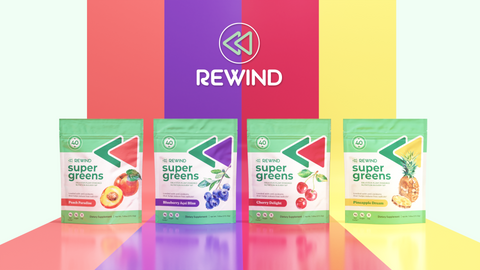
For mothers interested in Rewind Greens, the formula includes iron-rich spinach, kale, and moringa alongside vitamin-dense ingredients like spirulina and chlorella. The blend focuses on bioavailable nutrients from real food sources, designed for people who need maximum nutrition with minimal effort—exactly where most postpartum mothers find themselves.
Super greens address the nutrient gaps that make postpartum recovery harder than it needs to be. By delivering concentrated iron, vitamin D, folate, B vitamins, and antioxidants, greens powder supports anemia recovery, stable energy, immune function, and mood—all critical during those demanding early months. For breastfeeding mothers, these nutrients also pass into breast milk, supporting infant development. While greens powder isn't a replacement for medical care or postnatal vitamins, it fills the very real nutritional void that exists when cooking and eating well feel impossible.
Yes, super greens are safe during breastfeeding when sourced from reputable brands that test for contaminants and use clean ingredients. Most nutrients in greens powder pass into breast milk, supporting both mother and baby's health. Always check with your healthcare provider if you have specific concerns about ingredients or dosing.
You can begin greens powder 1-2 weeks postpartum once basic nutrition is stable and you're cleared by your doctor. Starting early helps combat nutrient depletion and fatigue, but there's no rush—begin when you feel ready. Some mothers who used greens during pregnancy continue immediately after delivery without issues.
Most greens powders contain 2-8 mg of iron per serving from sources like spinach, kale, and moringa. This supports daily iron intake but shouldn't replace medical treatment for severe anemia diagnosed by your doctor. Work with your healthcare provider to determine if additional iron supplementation is needed beyond what greens powder provides.
Postpartum nutrient deficiency is when new mothers lack essential nutrients like iron, vitamin D, folate, and B vitamins due to blood loss during delivery, breastfeeding demands, and depleted pregnancy reserves. This causes symptoms including profound fatigue, mood changes, brain fog, weakened immunity, and slow healing. It's extremely common, affecting the majority of new mothers to varying degrees.
Greens powder complements but doesn't replace a postpartum or prenatal vitamin. While it provides valuable nutrients from whole-food sources, it lacks the full spectrum and therapeutic dosages of a postnatal formula specifically designed for recovery and breastfeeding. Think of greens powder as an additional layer of nutrition, not a substitute for targeted supplementation your doctor recommends.
Cherry Delight
$39.99

Pineapple Dream
$39.99
Blueberry Acai Bliss
$39.99


