

Quercetin dihydrate is a plant-derived bioflavonoid that strengthens immune function by neutralizing oxidative stress and reducing inflammation. The dihydrate form contains two water molecules, making it more stable and absorbable than regular quercetin, so your body can use it more effectively.
Found naturally in onions, apples, berries, and green tea, this powerful antioxidant helps defend against allergens, supports cellular health, and may reduce seasonal allergy symptoms. Many people add quercetin supplements to their daily routine to boost immunity, especially during cold and flu season.
Interest in quercetin dihydrate has surged as people search for natural ways to support their immune systems and manage seasonal allergies without relying solely on over-the-counter antihistamines. If you struggle with spring pollen, constant sneezing, or chronic inflammation, you've probably heard about natural antihistamine quercetin as a gentler alternative. The confusion often starts when you see different quercetin forms on supplement labels—dihydrate, anhydrous, phytosome—and wonder which one actually works. People also want to know if eating quercetin-rich foods provides the same benefits as supplements, or if the dihydrate form offers something their diet can't deliver. With immune health top of mind year-round, understanding quercetin dihydrate benefits helps you make informed decisions about strengthening your body's natural defenses.
Quercetin dihydrate contains two water molecules bonded to the quercetin structure, which makes it more stable during storage and easier for your digestive system to break down. Regular quercetin (anhydrous) lacks these water molecules and can be harder for your body to absorb. The dihydrate version dissolves better in your intestines, allowing more of the active compound to enter your bloodstream. This improved bioavailability means you get more immune-supporting benefits from each milligram you consume. When you see "quercetin dihydrate" on a supplement label, you're getting a form designed for better absorption and consistent potency over time.
Quercetin works as a powerful antioxidant by donating electrons to unstable molecules called free radicals, neutralizing them before they damage your cells. Free radicals form naturally during metabolism and increase when you're exposed to pollution, stress, or poor diet. Left unchecked, these molecules attack cell membranes, DNA, and proteins, accelerating aging and weakening immunity. Quercetin dihydrate scavenges these harmful compounds throughout your body, protecting your immune cells so they can function at full strength. This antioxidant shield helps explain why quercetin supplement for immunity has become such a popular search term among health-conscious individuals looking for cellular protection.
Chronic inflammation quietly undermines your immune system, forcing it to fight fires on multiple fronts instead of defending against real threats like viruses and bacteria. Quercetin dihydrate reduces inflammation by blocking inflammatory enzymes and signaling molecules called cytokines. When your body produces too many cytokines, tissues become inflamed, joints ache, and your immune system stays on high alert. By calming this inflammatory response, quercetin helps your immune system operate more efficiently. This anti-inflammatory action supports everything from joint comfort to gut health, making quercetin for allergies and inflammation a natural pairing that addresses root causes rather than just masking symptoms.
Quercetin acts as a natural antihistamine by stabilizing mast cells, the immune cells that release histamine when you encounter pollen, pet dander, or other allergens. When mast cells stay stable, they release less histamine into your bloodstream, which means fewer sneezing fits, less nasal congestion, and reduced itchy eyes. Unlike pharmaceutical antihistamines that can cause drowsiness, quercetin works gently without sedating effects. This makes it especially appealing during allergy season when you need relief but still want to stay alert. The dihydrate form's superior absorption ensures enough quercetin reaches your mast cells to provide meaningful histamine control throughout the day.
You can find quercetin naturally in red onions, apples with the skin on, blueberries, raspberries, green tea, and kale. Eating a colorful diet rich in these foods gives you a baseline of quercetin along with other beneficial plant compounds. However, getting therapeutic amounts from food alone is challenging—you'd need to eat several onions or apples daily to match what a single supplement provides. Most people take 250-500mg of quercetin dihydrate daily, often split into a morning and afternoon dose with meals to enhance absorption. Pairing quercetin with vitamin C makes sense because vitamin C regenerates quercetin after it neutralizes free radicals, extending its antioxidant activity in your body.
For seasonal allergies, starting quercetin supplementation four to six weeks before pollen season begins helps build up protective levels in your system. Taking it consistently through the season provides better results than starting after symptoms appear. If you're using quercetin for general immune support, year-round supplementation works well, especially during cold and flu season when your immune system faces extra challenges. You can learn more about ingredients that support daily wellness at Rewind Greens Ingredients. Always take quercetin with food to minimize any stomach upset and maximize absorption through your digestive tract.
Bioflavonoids are plant pigments that give fruits and vegetables their vibrant colors while providing antioxidant protection. Quercetin belongs to the flavonol subclass of bioflavonoids, sharing the stage with compounds like kaempferol and myricetin. While bioflavonoid foods and supplements both offer health benefits, they differ significantly in concentration and consistency. A red onion might contain 20-40mg of quercetin, but the exact amount varies based on growing conditions, soil quality, and storage time. Supplements deliver precise, standardized doses every time you take them.
The dihydrate form matters because not all quercetin supplements are created equal. Some use anhydrous quercetin with poor absorption, meaning you waste money on compounds your body can't use. Quercetin dihydrate's added water molecules improve solubility, helping more of the active ingredient reach your bloodstream. Some advanced formulations combine quercetin with bromelain or use phytosome technology for even better bioavailability. When choosing a supplement, look for quercetin dihydrate on the label and consider products that include complementary nutrients. High-quality greens blends often incorporate multiple bioflavonoids to create synergistic antioxidant effects that mirror what you'd get from eating a wide variety of plant foods.
Quercetin dihydrate benefits your immune system through powerful antioxidant and anti-inflammatory actions that protect cells, stabilize histamine release, and support overall wellness. The dihydrate form's superior absorption makes it more effective than regular quercetin, whether you're managing seasonal allergies or strengthening your body's natural defenses year-round. By combining quercetin-rich foods with a quality supplement, you give your immune system the bioflavonoid support it needs to function at its best.
Quercetin dihydrate is a bioflavonoid antioxidant with two water molecules attached, making it more stable and better absorbed by your body than standard quercetin. The dihydrate form breaks down more easily during digestion, so your immune system gets more benefit from each dose.
Red onions, apples, berries (especially blueberries and raspberries), green tea, and leafy greens are the best natural sources of quercetin. Eating these foods regularly provides antioxidant benefits, though supplement forms deliver higher, more consistent doses.
Yes, quercetin acts as a natural antihistamine by blocking histamine release and reducing inflammation in nasal passages and airways. Many people use quercetin supplements during high pollen seasons to reduce allergy symptoms like sneezing, congestion, and itching.
Most research supports 250-500mg of quercetin daily for immune support and allergy relief, often split into two doses with meals. Always check supplement labels and consult your healthcare provider before starting, especially if you take medications.
Quercetin is generally safe and well-tolerated at recommended doses, with few reported side effects. High doses (above 1000mg daily) may cause headaches or tingling in some people, so start with lower amounts and increase gradually if needed.
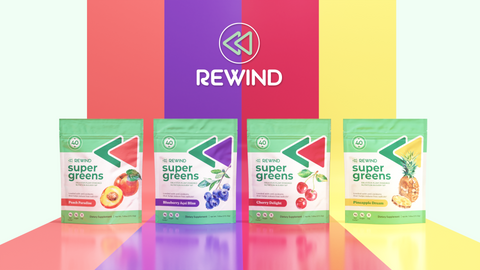
Explore our Rewind Greens recipes to find delicious ways to enjoy super greens daily.
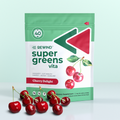
Cherry Delight
$39.99
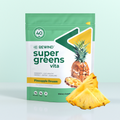
Pineapple Dream
$39.99
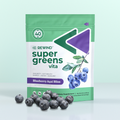
Blueberry Acai Bliss
$39.99


