

The back-to-school season is one of the most significant nutritional inflection points of the year for families. It marks the end of summer's relaxed rhythms and the return of early alarms, packed schedules, homework demands, and the social intensity of shared classrooms and offices. Every member of the household experiences some version of the same transition: from the relatively flexible pace of summer to the structured, high-demand environment of the fall season.
This transition places specific nutritional demands on both children and adults. Children face increased cognitive demands for sustained attention, memory consolidation, and executive function during learning. Adults managing work, household, and school logistics face the energy, focus, and immune demands that September always brings. And everyone in the family faces increased pathogen exposure as social mixing intensifies. Getting the family's nutritional foundation right in August and September, before the season is in full swing, determines how well each member handles what the coming months require.
The relationship between nutrition and cognitive performance in school-aged children is one of the most well-documented findings in pediatric nutrition research. Iron deficiency, even at levels below clinical anemia, consistently impairs sustained attention and working memory in school-aged children, with measurable improvements in cognitive performance following iron repletion. Zinc deficiency affects memory formation and the speed of cognitive processing. B12 deficiency impairs the methylation of myelin, the protective sheath around nerve fibers that enables efficient neural signal transmission. And inadequate breakfast consumption consistently impairs morning cognitive performance even in well-nourished children, by creating the blood glucose instability that disrupts concentration.
The implication for back-to-school nutrition is that the nutritional foundation children carry into the classroom every morning directly influences how effectively their brain can receive, process, and retain the information being delivered. A child who arrives at school with adequate iron, zinc, and B vitamins, with stable blood glucose from a protein-containing breakfast, and with the antioxidant protection that plant compounds provide against the oxidative stress of sustained cognitive work, is neurologically better equipped for learning than one whose morning nutritional start is inadequate.
Research on breakfast and school performance has found consistently that consuming breakfast, particularly one containing protein and complex carbohydrates rather than simple sugars, supports better morning cognitive performance including attention span, working memory, and processing speed compared to skipping breakfast entirely. The mechanism involves the glucose stabilization that protein and fiber provide, maintaining a steady supply of the fuel that neurons exclusively depend on through the critical morning learning hours.
A greens drink incorporated into the morning breakfast routine adds the micronutrient and antioxidant layer that the breakfast itself provides energy and protein for. For children whose school morning is rushed and whose breakfast may be abbreviated, incorporating a greens powder into a morning smoothie, yogurt, or overnight oats is one of the most practical ways to ensure the micronutrient foundation for cognitive performance is in place before school begins.
Schools are extraordinarily efficient viral transmission environments. Children share enclosed spaces, handle common surfaces, have close physical contact, and lack the fully developed hygiene habits that reduce pathogen spread. The back-to-school period reliably initiates the respiratory viral season for families, with the first school weeks typically producing the first wave of household illness that then disrupts work schedules, parent productivity, and school attendance for the entire fall.
The nutritional preparation for this increased immune challenge is not different in principle from the immune support any high-exposure situation requires. Vitamin C from Acerola Extract supports the immune epithelial barriers that represent the first line of defense against respiratory pathogens. Zinc from Spirulina supports the function of the neutrophils and T-lymphocytes that constitute the cellular immune defense. Astragalus Root's adaptogenic immune support, documented in research for its effects on immune cell activity, builds the adaptive immune readiness that the increased pathogen exposure of school environments demands.
The most effective household immune strategy for the back-to-school season is to ensure every member of the family, from school-aged children to parents and caregivers, maintains consistent daily micronutrient adequacy through the transition period. This means a reliable morning breakfast routine for children that includes protein and micronutrients. It means adequate Vitamin C and zinc for parents who will be exposed to the illnesses children bring home. And it means the adaptogenic support that helps the household adults maintain immune resilience through the combined stress of fall schedules, increased work demands, and recurrent immune challenges.
For adults, a daily greens drink in the back-to-school season provides all of these simultaneously. For children, incorporating greens powder into family meals in the ways described in the kitchen blog is a practical way to extend the micronutrient density of the greens formula to the school-aged members of the household, with serving sizes appropriate to their age and weight.
For parents, the back-to-school transition typically compresses morning time dramatically. The relaxed summer morning becomes a coordinated rush of school lunch preparation, schedule management, and drop-off logistics that leaves little time for their own nutrition. The result is the same pattern documented in research on parents and caregivers: self-nutrition is deprioritized in the service of everyone else's requirements, and the first few weeks of school are often when parents notice their own energy and cognitive clarity beginning to decline relative to summer.
The back-to-school morning greens habit is particularly important for parents precisely because it takes 30 seconds and requires no preparation. Before the morning school run begins, before the lunch boxes are assembled, before the carpool logistics are confirmed: 30 seconds to scoop, fill, and drink. The B vitamins for cellular energy production, the adaptogens for sustained stress resilience, the magnesium for nerve regulation, and the antioxidant protection for the increased immune challenge are all addressed before the day's demands have taken over.
The fall work season for most adults involves the return of full meeting schedules, project deadlines, and the organizational complexity of managing household and work simultaneously. The cognitive demands of this period, and the inadequate nutrition that often accompanies it, produce the familiar September pattern of feeling stretched thin across multiple dimensions without the summer's buffer of lighter schedules and slower pace.
Ginkgo Biloba Powder in a greens formula supports the cerebral blood flow that sustains cognitive clarity through demanding days. Siberian Ginseng provides the adaptogenic endurance that keeps the HPA axis from generating a full stress response to the ordinary demands of a busy fall schedule. B vitamins from Spirulina support the cellular energy production that focused, productive work requires. These are not acute stimulant effects. They are the cumulative benefits of consistent daily nutritional support that become most apparent over weeks of the fall season's sustained demands.
The most reliable way to maintain a daily greens habit through the chaos of school mornings is to anchor it before the morning routine begins. For adults, this means taking the greens drink while coffee is brewing or immediately upon entering the kitchen. For incorporating greens into children's food, the overnight oats, smoothie, or yogurt preparations that can be done the evening before create a complete morning nutritional package that requires only refrigerator access in the morning rush.
The back-to-school season provides a natural behavioral anchor for establishing or re-establishing the greens habit. The psychological fresh-start effect of a new school year is one of the most powerful behavior change windows of the year. Using that motivational energy to lock in the daily greens routine before September reaches its most demanding point gives the habit the best possible chance of surviving the fall season with the consistency it needs to deliver its cumulative benefits.
The evidence connecting children's nutrition to cognitive performance and the importance of micronutrient adequacy during academic seasons is well-established.
The back-to-school season is not just a calendar event. It is a nutritional transition that creates specific demands on every member of the family simultaneously. Children need the micronutrient foundation for sustained cognitive performance: iron for attention, zinc for memory, B vitamins for neural energy, and Vitamin C for immune defense against the respiratory pathogens school environments reliably circulate. Adults need the same micronutrient foundation plus the adaptogenic resilience to handle the schedule complexity and cognitive demands that fall schedules impose.
A daily greens drink is the 30-second nutritional anchor that addresses all of these needs reliably regardless of how chaotic the morning becomes. Incorporate it into school breakfasts for children in age-appropriate ways. Take it yourself before the morning rush begins. Let the cumulative daily nutrition that September requires be in place before the semester has reached its full pace. September will be demanding regardless. You can choose to face it well-nourished.
Greens powders use food-sourced ingredients that are generally derived from whole plants, but they are formulated for adult serving sizes and nutritional needs. Children's bodies have different micronutrient requirements than adults, and any supplement for children should be discussed with a pediatrician before beginning. For school-aged children, incorporating small amounts of greens powder into food rather than as a standalone supplement is a practical approach, with a pediatrician's guidance on appropriate amounts.
Research most consistently points to breakfast quality and iron status as the two most impactful nutritional factors for school-day cognitive performance. A protein-containing breakfast that stabilizes blood glucose through the morning, combined with adequate iron status (testable through a pediatrician), addresses the two most evidence-supported nutritional determinants of cognitive readiness. Both are achievable through practical family nutrition habits.
Yes, in applications where the color and mild flavor would blend. Greens powder can be mixed into hummus, salad dressings, or yogurt-based dips that go in lunchboxes. The practical consideration is that the green color may be visible and may need advance introduction so children are comfortable with it. Starting at home in familiar foods before sending it in lunches allows adjustment to the appearance and taste in a lower-stakes context.
The viral exposure increase of back-to-school season coincides with a period of high cognitive demand, creating a dual nutritional burden on children's immune and neurological systems. Vitamin C, zinc, and the anti-inflammatory plant compounds that support immune resilience are the same nutrients that support cognitive performance, meaning that addressing nutritional adequacy in these categories provides dual benefit for both immune defense and learning capacity through the school season.
For parents, the most impactful nutritional priorities during back-to-school are maintaining the daily greens habit without skipping, ensuring adequate protein at breakfast before the school logistics begin, moderating the caffeine reliance that school-season stress tends to increase, and protecting sleep timing as the fall schedule compresses evenings. Of these, the daily greens habit is the easiest to maintain consistently and the one that addresses the broadest range of nutritional needs simultaneously.
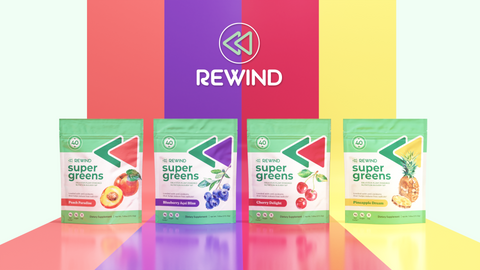
Cherry Delight
$39.99

Pineapple Dream
$39.99
Blueberry Acai Bliss
$39.99


