

Blood pressure is one of the most important and most modifiable cardiovascular risk factors in medicine. Hypertension, defined as a sustained blood pressure at or above 130/80 mmHg, affects approximately one in three adults globally and is the leading modifiable cause of cardiovascular disease, stroke, kidney damage, and premature death. Despite this, many people with elevated blood pressure are either undiagnosed, undertreated, or unaware of the substantial influence that dietary factors have on vascular health.
The dietary evidence on blood pressure is unusually strong. The DASH diet was specifically designed and tested for its blood pressure-lowering effects and demonstrated reductions comparable to single blood pressure medications in some trials. Plant-based dietary patterns more broadly have consistently shown associations with lower blood pressure across populations. And within the plant nutrition research, specific compounds including polyphenols, dietary nitrates, magnesium, and potassium have documented mechanisms for influencing vascular tone and endothelial function.
A daily super greens powder does not treat hypertension and cannot replace blood pressure management prescribed by a physician. What it does provide is a concentrated daily input of the plant compounds most consistently associated with vascular health support: polyphenols that improve endothelial function, minerals that support vascular tone, and anti-inflammatory inputs that reduce the chronic inflammatory burden on arterial walls. This blog explains the mechanisms behind those effects and the specific ingredients in a greens formula that deliver them.
Blood pressure is the force exerted by circulating blood against the walls of blood vessels. It is determined by two primary factors: cardiac output, the volume of blood the heart pumps per minute, and peripheral vascular resistance, the resistance to blood flow in the arterial network. Most cases of primary hypertension involve elevated peripheral vascular resistance, which is determined by the degree of constriction or dilation of arterial smooth muscle and the structural characteristics of artery walls.
The endothelium, the single-cell layer lining the interior of blood vessels, is the critical regulator of vascular tone. Healthy endothelial cells produce nitric oxide from arginine, which diffuses into the arterial smooth muscle and causes relaxation and vasodilation. Endothelial nitric oxide synthase, the enzyme that produces nitric oxide, requires adequate reducing equivalents, co-factors, and substrate availability to function at optimal capacity. When endothelial function is impaired by oxidative stress, inflammation, or nutritional deficiency, nitric oxide production declines and vascular tone increases, elevating blood pressure.
The primary drivers of endothelial dysfunction in modern populations are the same factors that drive systemic oxidative stress and chronic inflammation: ultra-processed food consumption, excess sodium relative to potassium in the diet, physical inactivity, excess body weight especially visceral fat, smoking, and chronic psychological stress. Of these, diet is both one of the most powerful influences and one of the most modifiable. The consistent finding that populations eating plant-rich diets have measurably lower blood pressure and better endothelial function than those eating processed-food-heavy diets is now supported by both extensive epidemiological evidence and randomized trial data.
Plant polyphenols improve endothelial nitric oxide production through several mechanisms. Quercetin Dihydrate activates eNOS, the enzyme that produces nitric oxide in endothelial cells, through an Akt-dependent signaling pathway, increasing nitric oxide availability and improving vasodilation. This effect has been documented in multiple human clinical trials of quercetin supplementation, with statistically significant reductions in systolic blood pressure observed in meta-analyses.
Resveratrol activates SIRT1, which in turn activates eNOS and improves nitric oxide bioavailability. It also reduces oxidative inactivation of nitric oxide by superoxide radicals, effectively protecting the nitric oxide that is produced from being neutralized before it can act on smooth muscle. Green Tea Extract EGCG inhibits the enzyme that degrades endothelium-derived relaxing factor, further preserving the vasodilatory signal. The Grapeseed Extract proanthocyanidins reduce the expression of endothelin-1, the most potent vasoconstrictor produced by endothelial cells, shifting the balance of endothelial signaling toward vasodilation.
These polyphenol mechanisms do not act through the same pathways as blood pressure medications such as ACE inhibitors or calcium channel blockers, and they do not produce the same magnitude of effect. But they work through genuine, documented biological mechanisms, and consistent daily intake produces the cumulative improvement in vascular function that multiple studies have measured at the population level.
Magnesium is a direct antagonist of calcium in vascular smooth muscle. Calcium influx into smooth muscle cells triggers contraction and vasoconstriction. Magnesium opposes this by blocking calcium channels and relaxing smooth muscle, reducing arterial resistance and lowering blood pressure through a mechanism similar to calcium channel blocker medications, though at a much more modest magnitude.
Meta-analyses of magnesium supplementation and blood pressure have found consistent reductions in both systolic and diastolic pressure in populations with baseline hypertension, with effects proportional to the degree of baseline magnesium deficiency. The roughly 48 percent of Western adults who do not meet recommended daily magnesium intake are the population most likely to see measurable blood pressure benefit from addressing their magnesium gap. Barley Grass Powder and Wheatgrass Powder in a daily greens drink provide food-matrix magnesium from chlorophyll-bound sources, contributing to the magnesium baseline that vascular smooth muscle tone regulation depends on.
Spinach Leaf Powder and Organic Broccoli Powder both provide dietary nitrates, which the body converts sequentially through the nitrate-nitrite-nitric oxide pathway. This is a dietary pathway for nitric oxide production that is independent of eNOS activity, providing a backup route for vasodilation that becomes particularly important when endothelial eNOS function is impaired. Research on dietary nitrate loading through beetroot juice and other nitrate-rich vegetables has found significant acute and sustained blood pressure reductions, with the effect mediated primarily through this nitrate-to-nitric oxide conversion pathway.
The Vitamin C from Acerola Extract in the greens formula enhances the nitrate-to-nitrite conversion step and protects newly produced nitric oxide from oxidative destruction. The anti-inflammatory polyphenols from multiple formula ingredients reduce the vascular inflammation that drives endothelial dysfunction, creating a mutually reinforcing nutritional environment in which both the nitric oxide production and the nitric oxide survival are improved simultaneously.
Chronic vascular inflammation is a primary driver of the endothelial dysfunction that elevates blood pressure. Inflammatory cytokines including IL-6, TNF-alpha, and CRP are elevated in most people with hypertension, and these inflammatory mediators directly impair eNOS function, increase the production of vasoconstricting substances including endothelin-1 and angiotensin II, and promote the structural arterial changes including arterial stiffening that raise systolic pressure specifically.
The comprehensive anti-inflammatory polyphenol network in a greens formula, including Quercetin, Resveratrol, EGCG, and Spirulina phycocyanin, collectively reduces the inflammatory burden on arterial walls. By lowering the chronic inflammatory tone that impairs endothelial function and drives vasoconstriction, these compounds address the upstream cause of blood pressure elevation rather than simply managing its downstream effects.
The evidence for dietary polyphenols and plant-based nutrition in blood pressure management is among the most consistent in nutritional cardiovascular research.
Blood pressure management is one of the most important dimensions of long-term cardiovascular health, and dietary plant nutrition has a genuinely evidence-based role to play in it. The mechanisms are well-documented: polyphenols improve endothelial nitric oxide production and reduce vasoconstricting inflammatory signals, magnesium relaxes vascular smooth muscle, dietary nitrates provide an independent pathway for vasodilation, and the systemic anti-inflammatory effect of consistent plant nutrition reduces the arterial inflammation that drives endothelial dysfunction.
A daily greens drink addresses all of these mechanisms simultaneously through Quercetin, Resveratrol, EGCG, and Grapeseed Extract polyphenols, Barley Grass and Wheatgrass magnesium, and Spinach and Broccoli dietary nitrates alongside Acerola Vitamin C to enhance their activity. This is not a treatment for hypertension. Anyone with elevated blood pressure needs medical evaluation and appropriate management. But as a daily nutritional investment in vascular health, a comprehensive greens powder delivers a genuinely meaningful combination of the plant compounds that support healthy blood pressure through mechanisms that medicine has carefully documented.
No. A greens powder is a nutritional supplement that may support vascular health through plant polyphenols, minerals, and dietary nitrates. It is not a treatment for hypertension and cannot substitute for blood pressure medications prescribed by a physician. Anyone with elevated blood pressure should work with their healthcare provider for appropriate medical management. Nutritional support works best as a complement to, not a replacement for, evidence-based medical care.
Research on plant-based dietary interventions consistently shows average systolic reductions of 4 to 7 mmHg and diastolic reductions of 2 to 4 mmHg in populations with elevated baseline blood pressure. These are modest but clinically meaningful reductions: epidemiological data suggests that a sustained 5 mmHg reduction in systolic pressure corresponds to approximately a 10 percent reduction in stroke risk. A daily greens drink contributes to the plant polyphenol and mineral inputs that drive these reductions as part of a broader plant-rich dietary pattern.
Research shows effects on both, but systolic blood pressure, the top number representing arterial pressure during heart contraction, tends to respond more consistently to dietary polyphenol intervention. This is partly because arterial stiffness, which polyphenols may help reduce through anti-inflammatory and endothelial mechanisms, contributes disproportionately to systolic elevation. Magnesium's smooth muscle relaxation effect tends to reduce diastolic pressure more directly by reducing the resting vascular resistance that determines the baseline pressure between beats.
Acute effects from dietary nitrate loading can appear within hours. Sustained improvements from consistent polyphenol and magnesium intake generally require four to eight weeks of daily use to produce measurable changes in clinical blood pressure readings, with effects continuing to develop over months of maintained intake. This is why consistency matters far more than any single high-dose intervention for vascular health outcomes.
Yes, in an important way. High sodium intake directly competes with the potassium in plant foods and with the vascular benefits of dietary polyphenols and magnesium, primarily by increasing fluid retention and elevating blood pressure through sodium-related mechanisms. The evidence-supported blood pressure benefit of plant nutrition is most pronounced when combined with reduced processed food and added sodium intake. A daily greens drink provides the beneficial plant inputs but works best when the overall dietary pattern is also moving in a lower-sodium direction.
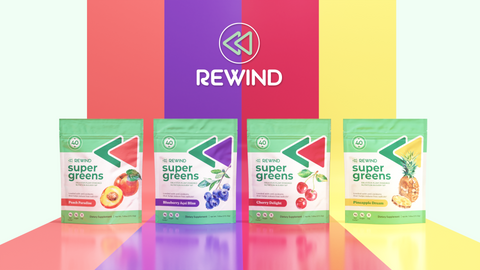
Cherry Delight
$39.99

Pineapple Dream
$39.99
Blueberry Acai Bliss
$39.99


