

The average adult now spends between seven and eleven hours per day looking at screens. Work monitors, smartphones, tablets, televisions: the digital environment has fundamentally restructured how human eyes are used. Eyes evolved over hundreds of thousands of years to focus at varying distances in natural light, with regular breaks for near and distance vision, and without continuous exposure to the high-energy short-wavelength light that LED and OLED screens emit. They were not designed for what we now ask them to do.
Digital eye strain is the most immediate and commonly felt consequence of excessive screen time: tired, dry, burning eyes; blurred vision after prolonged near focus; headaches behind and around the eyes; neck and shoulder tension from screen posture. But beyond the acute discomfort of digital eye strain, there is a less visible dimension of screen-related eye stress that nutrition directly addresses: the oxidative damage to retinal tissue from sustained blue light exposure. This is where specific plant compounds in a daily greens powder, particularly Lutein, become directly relevant to everyday digital health.
Visible light spans a spectrum of wavelengths from approximately 380 nanometers (violet) to 780 nanometers (red). Blue light occupies the 380 to 500 nanometer range and carries more energy per photon than longer-wavelength red and green light. This higher energy is what makes blue light potentially damaging to biological tissue at sufficient exposure levels: the photons are energetic enough to generate reactive oxygen species in the cells they strike, initiating oxidative damage in a process called photochemical injury.
The retina, and specifically the macula, the central area of the retina responsible for sharp central vision, is directly exposed to blue light entering through the lens of the eye. The photoreceptors and retinal pigment epithelium cells of the macula are metabolically among the most active cells in the human body, consuming oxygen at very high rates to support the photochemical reactions of vision. This high metabolic rate means they are also among the most productive generators of reactive oxygen species under normal conditions. Add the additional oxidative burden of sustained blue light exposure, and the macular cells face a daily oxidative stress load that their antioxidant defenses must continuously manage.
Digital eye strain, also called computer vision syndrome, is a cluster of visual and ocular symptoms that arise from extended use of digital devices. The primary drivers are reduced blink rate during screen use (typically one-third to one-half of the normal blink rate), increased near accommodation demand as eyes continuously focus on close screens, and sustained exposure to the glare, contrast, and spectral composition of digital displays.
The physical symptoms of dry, burning eyes from reduced blinking, blurred vision from ciliary muscle fatigue, and headaches from sustained near focus are the most immediately felt consequences. But the oxidative damage to macular tissue from sustained blue light exposure accumulates more slowly and is less immediately perceptible, building over years in ways that increase the risk of age-related macular changes in later life. This is the dimension of screen-related eye health where nutritional support is most meaningfully relevant.
Lutein is a xanthophyll carotenoid found in green leafy vegetables, colored vegetables, and egg yolks. In the human body, it is selectively concentrated in one specific location: the macula of the retina. This selective accumulation, unique among dietary nutrients, is not accidental. Lutein and the closely related zeaxanthin form the macular pigment, a dense, yellow-orange layer that sits in front of the photoreceptors and functions as both a physical blue light filter and a chemical antioxidant.
As a blue light filter, the macular pigment absorbs incoming short-wavelength blue light before it can reach the sensitive photoreceptor cells below. The density of the macular pigment, called the macular pigment optical density or MPOD, is directly determined by dietary Lutein intake. People who consume more Lutein have denser macular pigment and therefore more blue light filtering capacity. People who eat few leafy greens or other Lutein-rich foods have thinner macular pigment and less blue light filtering protection.
As an antioxidant, Lutein directly scavenges the reactive oxygen species generated by blue light striking retinal tissue, neutralizing them before they can damage retinal cell membranes, DNA, and proteins. Research has consistently shown that supplemental Lutein increases MPOD in adults with low baseline macular pigment, improving the eye's own natural blue light defense. For high-frequency screen users, Lutein is not a niche eye supplement. It is a direct and biologically meaningful response to a genuine daily oxidative and photochemical challenge.
Bilberry Fruit Extract is rich in anthocyanins, the same class of blue-purple pigments found in blueberries, blackcurrants, and elderberries. Anthocyanins have well-documented effects on ocular blood flow and retinal function that complement Lutein's photoreceptor-level protection. Bilberry anthocyanins support the microvascular circulation that delivers oxygen and nutrients to retinal tissue and removes metabolic waste products, maintaining the vascular health that sustains photoreceptor function.
Research on Bilberry extract and eye health has found evidence for improvements in night vision adaptation speed, reduction in visual fatigue after prolonged near work, and support for the rhodopsin regeneration cycle in rod photoreceptors. For screen workers experiencing visual fatigue, the Bilberry contribution to vascular support and photoreceptor function provides a clinically relevant complement to Lutein's primary blue light filtering and antioxidant role.
Carrot Powder provides beta-carotene, the most abundant dietary source of provitamin A in plant foods. Vitamin A in its active form, retinal, is the chromophore molecule at the heart of the visual transduction process: the light-sensitive pigment that, when struck by a photon, triggers the electrical signal that the brain interprets as vision. Without adequate Vitamin A, the visual cycle cannot function properly, and rod photoreceptors, which are responsible for low-light and peripheral vision, are the first affected.
While severe Vitamin A deficiency producing night blindness is rare in well-nourished populations, subclinical insufficiency of beta-carotene intake is common in people whose vegetable consumption is below recommended levels. Consistent daily Carrot Powder in a greens drink provides a reliable plant-source beta-carotene supply that supports the visual cycle and contributes antioxidant protection in retinal tissue alongside Lutein and Bilberry.
Blue light from screens in the evening hours is detected by specialized photoreceptors in the retina called intrinsically photosensitive retinal ganglion cells, which are maximally sensitive to the 480 nanometer wavelength range that overlaps heavily with the blue emission spectrum of LED screens. These cells send signals directly to the suprachiasmatic nucleus, the circadian clock, communicating that it is daytime. Evening screen use therefore delays the onset of melatonin production, shifting the circadian clock toward a later sleep phase and reducing both the duration and quality of sleep.
The magnesium in Barley Grass and Wheatgrass supports the GABA receptor activity that enables physiological sleep onset, partially compensating for the melatonin disruption that evening screen use creates. Consistent adequate magnesium intake supports sleep quality in ways that are measurable, and for people who use screens in the evening, which is most people, this magnesium support represents a meaningful nutritional contribution to the sleep dimension of the screen-time health picture.
Extended screen time, particularly involving social media and passive content consumption, has been associated in research with increased anxiety, reduced attention span, and mood disruption, particularly in adolescents and young adults. The mechanisms are partly psychological, involving social comparison, information overload, and reduced real-world social interaction, and partly neurological, involving changes in dopamine signaling from the intermittent variable reward pattern of scrolling interfaces.
The B vitamins from Spirulina support the methylation cycle and neurotransmitter synthesis that underlie mood regulation. Siberian Ginseng provides adaptogenic support for the HPA axis stress response that screens, particularly news and social media, frequently trigger. Ginkgo Biloba supports the cerebral blood flow and cognitive clarity that sustained screen use can compromise. These nutritional inputs do not address the behavioral patterns that make screen time psychologically problematic, but they do maintain the neurological infrastructure from which healthier responses to those patterns are possible.
Dietary Lutein is found primarily in kale, spinach, and other dark leafy greens, egg yolks, corn, and orange and yellow vegetables. The amounts associated with measurable increases in macular pigment optical density in research are typically in the range of 10 to 20 milligrams per day, which requires either very consistent leafy green vegetable consumption or supplementation through a concentrated source like a greens powder.
Lutein is fat-soluble, meaning its absorption is significantly enhanced when consumed alongside dietary fat. Taking your greens drink with a meal or snack containing some fat, avocado toast, eggs, a handful of nuts, or any oil-dressed vegetables, improves Lutein uptake meaningfully. This is one of the most practical and impactful small adjustments that high screen-time individuals can make to maximize the eye-protective value of their daily greens habit.
Children's eyes are more sensitive to blue light than adults because the crystalline lens, which normally absorbs some blue light before it reaches the retina, is clearer in children and absorbs proportionally less. This means the retinal exposure to screen-emitted blue light is higher in children than in adults using the same devices at the same distance. Nutritional support for children's eye health, including Lutein from leafy greens and colored vegetables in their diet, is therefore at least as important as for adults, if not more so, given current rates of childhood screen use.
The evidence for Lutein and related carotenoids in protecting retinal tissue from blue light-related oxidative damage is well-established in ophthalmological research.
We live in screens. The average person now spends more waking hours looking at digital displays than doing almost anything else. The eyes were not built for this, and the retinal tissue exposed to sustained blue light from those displays faces a genuine daily oxidative challenge that most people do not think about nutritionally until it produces symptoms they can no longer ignore.
Lutein is the primary nutritional answer to this challenge. It builds and maintains the macular pigment that physically filters blue light before it reaches the photoreceptors and chemically scavenges the free radicals that bypass that filter. Bilberry Fruit Extract supports the vascular circulation that keeps retinal tissue oxygenated. Carrot Powder provides the provitamin A that powers the visual cycle. And the magnesium from Barley Grass and Wheatgrass supports the sleep quality that evening screen use so readily disrupts.
You will not stop using your screens. Your work, connection, and daily life are built around them. But you can nourish the eyes doing that work every day. Thirty seconds in the morning. The rest of the day is yours.
The amount of Lutein in a greens powder serving varies by formulation. Research suggests that intakes of 10 to 20 milligrams per day are associated with meaningful increases in macular pigment optical density over months of consistent use. A comprehensive greens formula with Lutein as a named ingredient contributes meaningfully to daily intake, and when combined with dietary sources including leafy greens and egg yolks, daily totals approach the amounts studied in clinical research. Taking the greens drink with a fat-containing meal significantly improves Lutein absorption.
Blue light filtering glasses reduce the amount of blue light reaching the cornea, but they do not eliminate it, and they do not protect against the oxidative stress already occurring in retinal tissue from the blue light that does penetrate. Nutritional support through Lutein operates at the level of the retinal tissue itself, independent of what happens at the lens of the glasses or the eye. The two strategies address different aspects of the same problem and can be used simultaneously.
Research on Lutein supplementation and macular pigment optical density shows measurable increases beginning at approximately four to eight weeks of consistent daily intake, with further improvement continuing over months. The effect is cumulative and depends on baseline levels: people with lower baseline MPOD show the most significant proportional improvements. Consistent daily intake over the long term is far more effective than sporadic high-dose supplementation.
While the most immediately clinically significant consequences of macular light damage, including age-related macular degeneration, are more common in older adults, the oxidative damage that contributes to them accumulates from a young age. Additionally, digital eye strain symptoms including fatigue, dry eyes, and headaches affect people of all ages who use screens extensively. Nutritional eye support is relevant across adult age groups, and the earlier a consistent Lutein-rich diet or supplementation habit is established, the greater the cumulative protective effect.
Potentially, but it requires consistent daily consumption of large amounts of dark leafy greens, which most people do not achieve. A 100-gram serving of cooked kale provides approximately 18 to 20 milligrams of Lutein, which is in the range associated with meaningful MPOD benefits. However, eating that volume of cooked kale or equivalent daily is not realistic for most people. A greens powder with concentrated Lutein provides a consistent, convenient, and reliable way to ensure daily Lutein intake stays in the protective range regardless of what the rest of the day's diet looks like.
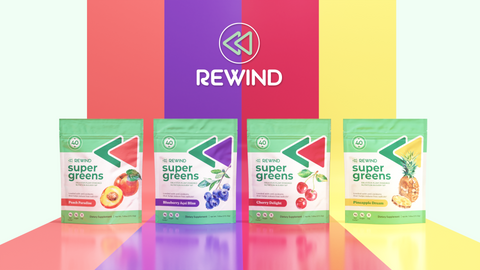
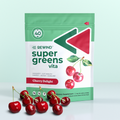
Cherry Delight
$39.99
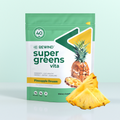
Pineapple Dream
$39.99
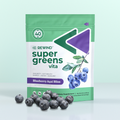
Blueberry Acai Bliss
$39.99


