

Aging is not a disease. But it does come with a set of biological changes that affect how your body produces energy, manages inflammation, repairs cells, and maintains the systems that keep you feeling sharp, strong, and resilient. Most of these changes are not dramatic or sudden. They are gradual, cumulative, and, to a meaningful degree, modifiable through consistent nutritional choices. The gap between someone in their 50s who feels genuinely vital and someone who feels like they are running on fumes is not always genetics. Often it is the accumulated result of years of nutritional decisions, and plant-based antioxidant support is one of the most robustly researched nutritional factors in that equation.
A daily super greens powder, with its concentrated delivery of plant polyphenols, minerals, adaptogens, and antioxidants, is not a fountain of youth product. The marketing around aging and supplements is full of overreach. But there is genuine, peer-reviewed science showing that consistent daily intake of plant-based antioxidants and adaptogens measurably influences the biological markers associated with healthy aging. This blog explains the real science of what happens to the body as it ages, which specific compounds in a greens formula are most relevant, and why building a daily greens habit in your 40s pays dividends that compound over the decades that follow.
Every cell in your body produces reactive oxygen species as a byproduct of normal energy metabolism. In younger, well-nourished bodies, the antioxidant defense system, comprising enzymes, vitamins, and plant compounds, neutralizes these free radicals as fast as they form. But as the body ages, this balance shifts. Mitochondrial efficiency declines, free radical production increases, and the body's endogenous antioxidant systems become less robust. The result is a state of increased oxidative stress that accumulates at the cellular level, damaging DNA, degrading proteins, oxidizing cell membranes, and contributing to the visible and invisible signs of biological aging.
Dietary antioxidants from plant foods and concentrated greens formulas act as exogenous reinforcements for the body's increasingly strained defense system. Research on populations with high polyphenol intake, particularly those living in the so-called Blue Zones where exceptional longevity is common, consistently identifies plant-rich diets as a central feature. The protective effect is not from any single compound but from the sustained, diverse antioxidant input that prevents the slow accumulation of oxidative damage over decades.
Researchers have a term for the chronic low-grade inflammatory state associated with aging: inflammaging. As the body ages, the immune system becomes less precisely regulated. Pro-inflammatory signaling molecules called cytokines, particularly IL-6, TNF-alpha, and CRP, tend to run at persistently elevated levels even in the absence of acute infection or injury. This chronic inflammatory background is associated with virtually every major age-related condition, from cardiovascular disease and metabolic disorders to cognitive decline, joint deterioration, and impaired immune function.
Plant polyphenols, the compounds in Resveratrol, Quercetin Dihydrate, Grapeseed Extract, Green Tea Extract, and Blueberry Powder, all present in a comprehensive greens formula, have demonstrated consistent anti-inflammatory effects in clinical research. They work by suppressing the NF-kB inflammatory pathway, reducing cytokine production, and inhibiting the cyclooxygenase enzymes involved in inflammation signaling. Daily consistent intake maintains a steady anti-inflammatory input that counteracts the pro-inflammatory drift that accumulates with age.
Resveratrol is one of the most studied polyphenols for its anti-aging properties, specifically for its activation of sirtuin proteins, particularly SIRT1. Sirtuins are a class of enzymes involved in DNA repair, cellular stress response, mitochondrial biogenesis, and the regulation of inflammatory pathways. They are sometimes called longevity genes because of their role in extending lifespan in model organisms and their association with healthspan markers in human research.
When Resveratrol activates SIRT1, it prompts cells to invest more resources in maintenance and repair rather than growth, a metabolic shift that is associated with the longevity benefits seen in caloric restriction research. In practical terms, consistent Resveratrol intake through a daily greens drink may support cellular repair capacity, mitochondrial function, and the body's ability to regulate its own inflammatory response at a level that becomes increasingly meaningful as the decades accumulate.
Quercetin has a particularly interesting emerging role in healthy aging research centered on its potential as a senolytic compound. Cellular senescence is a state in which damaged or dysfunctional cells stop dividing but do not die and instead persist in tissue while secreting pro-inflammatory molecules. The accumulation of senescent cells is considered one of the primary drivers of the tissue dysfunction and chronic inflammation associated with aging. Quercetin, particularly in combination with other plant compounds, has demonstrated senolytic activity in early research, meaning it may help the body clear these dysfunctional cells more effectively. While this research is still developing, it represents one of the most exciting potential mechanisms for plant-based anti-aging nutrition.
Siberian Ginseng and Astragalus Root, both present in a comprehensive greens formula, provide adaptogenic support that is particularly relevant for the aging body. Astragalus has attracted significant research attention for its effects on telomere length, the repetitive DNA sequences at the ends of chromosomes that shorten with each cell division. Telomere length is considered a biological marker of cellular age, with shorter telomeres associated with accelerated aging and age-related disease risk. Astragalus extract has been studied in clinical trials for its telomerase-activating activity, the enzyme responsible for maintaining telomere length. Siberian Ginseng supports adrenal function and physical endurance, both of which typically decline with age, and provides adaptogenic support for maintaining energy and stress resilience across a lifetime.
Spirulina's comprehensive nutritional profile makes it broadly relevant to healthy aging. Its iron content supports the oxygen delivery that sustains energy and cognitive performance. Its B vitamins support the methylation cycle that governs cellular repair and DNA synthesis. Its phycocyanin provides potent antioxidant and anti-inflammatory protection. And its protein density supports muscle maintenance, a critical factor in healthy aging given the progressive muscle loss called sarcopenia that accelerates after 50.
No. While the greatest long-term benefit comes from building a consistent greens habit in your 30s and 40s before significant oxidative and inflammatory accumulation has occurred, research consistently shows that increasing antioxidant and phytonutrient intake at any age produces measurable improvements in inflammatory markers, oxidative stress biomarkers, and energy-related outcomes within weeks to months. The body's capacity for repair and adaptation does not disappear with age. It slows, but it remains responsive to nutritional input at any stage.
The research on polyphenols and healthy aging consistently shows that the benefits are dose-dependent and time-dependent. Taking your greens drink every day for months and years produces meaningfully greater benefit than taking it sporadically even at higher occasional doses. This is because many of the anti-aging mechanisms involved, sirtuin activation, telomere maintenance support, chronic inflammation reduction, operate through gradual, cumulative shifts in cellular signaling rather than immediate acute effects. The person who takes their greens drink reliably every morning for a decade gets compounding returns that a casual user never reaches.
The science on plant-based polyphenols, antioxidants, and healthy aging is among the most active research areas in nutritional medicine.
Healthy aging is not about stopping the clock. It is about keeping the body resourced to handle the changes that come with each decade. Oxidative stress, inflammaging, telomere shortening, mitochondrial decline, and muscle loss are real and universal. But they are not equally inevitable at every rate for every person. The consistent daily supply of plant polyphenols, mineral support, and adaptogenic compounds that a greens powder delivers contributes to the cellular environment that makes meaningful differences in how these processes unfold over time.
Start now. Whatever decade you are in, the right time to build this habit is today. Not because a greens powder will reverse what has already happened, but because what happens next is still being written, one daily scoop at a time.
The earlier the better, as the compounding benefits of consistent antioxidant and anti-inflammatory support are greatest when started before significant oxidative and inflammatory accumulation has occurred. That said, meaningful benefits have been documented in research across all adult age groups, and starting in your 40s, 50s, 60s, or beyond still delivers real improvements in inflammatory markers, energy, and cellular health within weeks to months.
No. A greens powder is a nutritional supplement designed to support general health and fill micronutrient gaps. It is not a treatment for any medical condition, and it should never be used as a substitute for prescribed medications or medical care. Anyone with diagnosed age-related health conditions should consult their healthcare provider about appropriate nutritional support alongside their medical treatment plan.
The Ginkgo Biloba Powder in a comprehensive greens formula supports cerebral blood flow and cognitive function. Resveratrol and Quercetin have demonstrated neuroprotective properties in research on aging brain tissue. B vitamins from Spirulina support the methylation cycle that governs neurotransmitter production. Together these ingredients support the vascular, antioxidant, and anti-inflammatory foundations of cognitive function as the brain ages.
Yes, through several mechanisms. Spirulina's iron and B-vitamin content supports cellular energy production and oxygen delivery. Siberian Ginseng's adaptogenic properties may support physical endurance and reduce fatigue. Magnesium from Barley Grass and Wheatgrass supports the ATP energy pathway. The combined effect of consistently meeting these micronutrient needs tends to produce measurable improvements in daily energy levels within two to four weeks of regular use.
Astragalus Root has been studied specifically for its telomerase-activating properties, the enzyme responsible for maintaining telomere length, which is used as a biological marker of cellular aging. Research has found that Astragalus-based supplementation may slow telomere shortening over time, and clinical trials have documented improvements in immune function and vitality markers in supplemented populations. These effects build over weeks and months of consistent daily use rather than producing immediate observable changes.
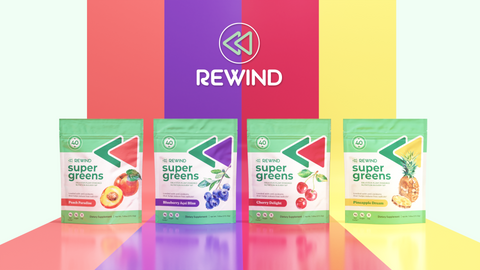
Cherry Delight
$39.99

Pineapple Dream
$39.99
Blueberry Acai Bliss
$39.99


