

Cholesterol is one of the most discussed yet least understood molecules in popular health conversation. The blanket instruction to lower your cholesterol misses the nuance that cholesterol is essential for life: it is the precursor for steroid hormones including cortisol, testosterone, and estrogen, a required structural component of every cell membrane, and the raw material for bile acids that enable fat digestion. The problem is not cholesterol itself but the specific patterns of cholesterol transport and oxidation that create cardiovascular risk.
Understanding which aspects of the cholesterol picture matter most, and how plant nutrition from a daily greens powder influences them, gives you a more accurate and more useful framework than the simplified higher-is-bad messaging that has dominated public health communication for decades. This blog explains the lipid physiology that matters for cardiovascular risk, which compounds in plant foods and greens formulas have documented effects on the most important lipid parameters, and what realistic expectations look like for plant-based cholesterol support.
Low-density lipoprotein carries cholesterol from the liver to peripheral tissues and is often labeled bad cholesterol. High-density lipoprotein carries cholesterol from peripheral tissues back to the liver for processing and is often labeled good. This simplified framing captures something real but misses critical detail. The LDL particle count and, even more importantly, the degree of LDL oxidation are now understood to be more predictive of cardiovascular risk than LDL cholesterol concentration alone.
Oxidized LDL is the genuinely dangerous form. When LDL particles are oxidized by reactive oxygen species in the bloodstream or in arterial walls, they are taken up by macrophages through scavenger receptors rather than the normal LDL receptor pathway. These macrophages, now engorged with oxidized LDL, transform into foam cells and become trapped in arterial walls, forming the lipid-rich core of atherosclerotic plaques. The oxidation of LDL is thus the pivotal event that converts LDL from a normal cholesterol transport molecule into an arterial disease driver.
This is where plant antioxidants become directly and specifically relevant to lipid health: they reduce LDL oxidation by neutralizing the reactive oxygen species that initiate it. This is a different and arguably more important mechanism than simply lowering total LDL, because it addresses the pathological event rather than merely the substrate.
Triglycerides, the fat storage molecules circulating in blood, are increasingly recognized as an independent cardiovascular risk factor, particularly in the context of metabolic syndrome. Elevated triglycerides are produced primarily by excess refined carbohydrate and alcohol intake, and by insulin resistance that prevents adipose tissue from adequately storing circulating fat. High triglycerides are almost invariably found alongside low HDL cholesterol in the lipid pattern most tightly associated with metabolic disease risk.
Plant polyphenols including Resveratrol and Quercetin have shown triglyceride-lowering effects in research, partly through improving insulin sensitivity and partly through direct effects on hepatic fat synthesis pathways. The Green Tea Extract catechins have documented effects on inhibiting the intestinal absorption of dietary fats, modestly reducing the postprandial triglyceride rise that follows fatty meals. These are modest effects but operate through genuine, documented mechanisms.
Resveratrol has several documented effects on lipid metabolism. It activates SIRT1, which stimulates the liver's conversion of cholesterol to bile acids through increased CYP7A1 enzyme activity, increasing cholesterol elimination and reducing circulating LDL. It reduces the oxidative modification of LDL particles by scavenging the peroxyl and hydroxyl radicals that initiate lipid peroxidation. And it inhibits the cholesterol synthesis pathway at the HMG-CoA reductase step, the same enzyme targeted by statin medications, though at a much smaller magnitude of effect.
Research meta-analyses of Resveratrol supplementation have found modest but consistent reductions in LDL cholesterol and total cholesterol in populations with metabolic syndrome and type 2 diabetes, with the effects most pronounced at higher doses and longer durations. The dose in a standard greens powder serving is significantly lower than the doses used in clinical trials producing the strongest effects, but consistent daily intake over months contributes meaningfully to the overall plant polyphenol pattern that lipid health research supports.
Quercetin's cholesterol-relevant mechanisms include inhibition of fatty acid synthase, the enzyme responsible for hepatic fat synthesis from carbohydrate substrates; downregulation of PCSK9, a protein that reduces the liver's LDL receptor density and thus increases circulating LDL; and significant inhibition of LDL oxidation.
Meta-analyses of Quercetin supplementation specifically have found consistent reductions in LDL cholesterol of approximately 4 to 7 mg/dL and reductions in triglycerides in hyperlipidemic subjects, with the greatest effects in people with higher baseline lipid levels. A daily greens drink provides Quercetin alongside the full polyphenol network that enhances its absorption and extends its activity.
Grapeseed Extract's oligomeric proanthocyanidins have one of the strongest antioxidant activities of any plant polyphenol, making them particularly effective at reducing LDL oxidation. They also inhibit the aggregation of oxidized LDL by macrophages into foam cells, directly interrupting the arterial plaque formation process. Research on Grapeseed Extract and cardiovascular risk markers has found reductions in LDL oxidation markers, lower circulating foam cell precursor activity, and in some studies, modest direct reductions in LDL cholesterol concentration alongside improvement in HDL cholesterol levels.
Green Tea Extract EGCG has multiple lipid-relevant mechanisms. It inhibits cholesterol absorption from the small intestine by forming bile acid-EGCG complexes that are excreted rather than recycled through enterohepatic circulation, reducing the amount of dietary cholesterol that enters the bloodstream. It activates LDL receptors in the liver, increasing the clearance of LDL from the circulation. And it inhibits the lipogenic enzyme fatty acid synthase in adipose tissue, modestly reducing triglyceride synthesis.
Meta-analyses of Green Tea Extract consumption and lipid profiles have found consistent reductions in LDL cholesterol of approximately 2 to 5 mg/dL in populations with elevated baseline lipid levels, with the effect maintained in studies of six months or longer, supporting a sustained rather than acute mechanism. The combination of intestinal absorption reduction, increased LDL clearance, and LDL oxidation protection makes EGCG one of the most mechanistically multifaceted plant compounds for lipid health.
Soluble fiber from Apple Pectin and Inulin addresses LDL cholesterol through a fundamentally different mechanism than polyphenols. In the small intestine, these fibers form viscous gels that trap bile acids, the cholesterol derivatives produced by the liver for fat digestion, and prevent their normal reabsorption. The liver responds to the reduced bile acid pool by synthesizing new bile acids from cholesterol, drawing on circulating LDL as the substrate. The net effect is a reduction in LDL cholesterol that the research has documented at magnitudes of 5 to 10 mg/dL for regular viscous fiber intake.
This is the same mechanism that makes oats with their beta-glucan so consistently recommended for cholesterol management. The fibers in a greens formula, while different in type from oat beta-glucan, operate through the same bile acid sequestration principle. Their effect in a single serving is modest but cumulative over months of consistent daily intake, contributing to a pattern of bile acid recycling regulation that gradually shifts the lipid picture in a favorable direction.
The evidence for plant polyphenols and fiber in lipid management is extensive and comes from multiple study designs.
The cholesterol story in plant nutrition is more nuanced and more interesting than total LDL reduction alone. Plant polyphenols from Resveratrol, Quercetin, Grapeseed Extract, and Green Tea Extract reduce LDL oxidation at the pivotal step where normal cholesterol transport becomes arterial disease. Soluble fiber from Apple Pectin and Inulin reduces LDL concentration through bile acid sequestration. And the comprehensive anti-inflammatory effect of the greens formula's polyphenol network reduces the arterial inflammatory environment in which oxidized LDL deposits to form plaques.
A greens powder does not lower cholesterol the way a statin does, and it should never be used as a substitute for medical management of clinically elevated lipid levels. What it does provide is the most evidence-supported plant compounds for supporting a healthy lipid profile, delivered consistently every morning as part of a daily nutrition habit. For people managing their cardiovascular risk through dietary approaches, it is one of the most comprehensive and practical nutritional investments available.
Based on the research on individual polyphenols and fibers at the doses typically found in greens powder servings, realistic expectations are modest direct effects in the range of 2 to 8 mg/dL on LDL cholesterol with consistent daily use over months. The more clinically significant contribution may be the reduction in LDL oxidation, which improves cardiovascular risk even without large changes in LDL concentration. For clinically elevated cholesterol levels, a greens powder is a supportive addition to medical management rather than a standalone intervention.
No. Never discontinue prescribed medications without medical supervision. A greens powder can be taken alongside cholesterol medications as a supportive dietary approach, but it does not produce the magnitude of LDL reduction that statins and other lipid medications achieve through their pharmacological mechanisms. Discuss any supplement additions with your prescribing physician, particularly if you are on statins, as some polyphenols including Quercetin can interact with the CYP3A4 enzyme involved in statin metabolism.
Research increasingly supports oxidized LDL as a more directly pathogenic marker than total LDL concentration, because it is the oxidized form that macrophages take up through scavenger receptors, forming the foam cells that become the lipid core of atherosclerotic plaques. Some cardiovascular research now treats LDL oxidation markers as independent risk factors. The antioxidant polyphenols in a greens formula that reduce LDL oxidation therefore address what may be the most important single step in the lipid-to-plaque progression.
A diet very high in saturated fat will significantly elevate LDL cholesterol through increased hepatic LDL production, and the modest LDL-lowering effects of plant polyphenols and fiber are unlikely to fully compensate. The research showing significant polyphenol benefits for lipid profiles generally comes from studies where the background diet is reasonably controlled. The greens powder works best as part of a broader dietary pattern that limits saturated fat and includes adequate plant food diversity, not as a compensatory measure for an otherwise high-risk dietary pattern.
The gut microbiome is directly involved in cholesterol metabolism. Certain gut bacteria including Lactobacillus and Bifidobacterium species can deconjugate bile acids in the gut, affecting their reabsorption and increasing the demand for new bile acid synthesis from cholesterol. The prebiotic fiber in a greens formula that supports these populations therefore contributes to cholesterol management through the gut-liver axis as well as through the direct intestinal fiber effects on bile acid sequestration. A healthy, diverse gut microbiome is increasingly recognized as a significant contributor to healthy lipid profiles.
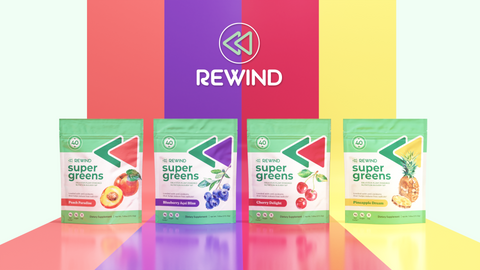
Cherry Delight
$39.99
Pineapple Dream
$39.99
Blueberry Acai Bliss
$39.99


