

The office is one of the most nutritionally challenging environments most adults spend their days in. Not because healthy food is impossible to find or bring, but because of the specific combination of factors the office day creates: prolonged uninterrupted sitting, structured mealtimes that compete with meetings and deadlines, the omnipresence of catered events and colleague snacks, the vending machine on the third floor, and the cultural normalcy of caffeine as the primary energy management tool.
The result, for the majority of desk-based workers, is a daily nutritional pattern that starts with insufficient breakfast, peaks with a lunch that is either skipped or eaten at the desk in five minutes, and coasts through the afternoon on coffee and whatever was on the meeting table. The energy crashes, the mid-afternoon cognitive fog, the inability to concentrate after 3pm, and the persistent low-level tiredness that coffee merely masks: these are not character flaws or insufficient willpower. They are the predictable physiological outputs of how most office workers actually eat.
A daily super greens drink is one of the simplest, most practical interventions available for changing the nutritional foundation of the office working day, and it takes 30 seconds before you leave the house. This blog explains what office sedentary work does to the body's energy and cognitive systems, which nutritional gaps most desk workers carry, and how consistent morning greens use addresses both.
Office workers sit for approximately 66 percent of their working day, often in uninterrupted bouts of sitting that last well over an hour. Research has established that prolonged continuous sitting, independent of whether the person is otherwise physically active, produces a specific set of metabolic effects: blood glucose rises more steeply after meals, insulin sensitivity decreases, triglycerides accumulate in the bloodstream, and the muscle contractions that normally drive glucose uptake from blood into cells are largely absent.
The practical consequence of these metabolic effects for office workers is a pattern of blood glucose variability that directly affects energy and cognitive function. A high-carbohydrate desk lunch followed by an uninterrupted afternoon of sitting produces a glucose spike and subsequent crash that manifests as the classic post-lunch energy slump. The crash is not inevitable and it is not simply the result of having eaten. It is the predictable metabolic output of a specific combination of food choices, sedentary behavior, and insufficient physical activity to buffer the glucose response.
Research on sedentary behavior and cognitive functioning has found consistent associations between prolonged uninterrupted sitting and reduced performance on measures of attention, working memory, and executive function. The mechanisms involve both reduced cerebral blood flow from sustained low physical activity and the metabolic effects of blood glucose variability. Neurons are exclusively dependent on glucose as an energy source, and the variability in glucose availability that sedentary patterns produce creates measurable fluctuations in the cognitive resources available for sustained concentration, decision-making, and creative thinking.
Compounding this is the cognitive fatigue that accumulates from sustained demanding mental work without adequate breaks. The prefrontal cortex, which governs executive function, decision-making, and focused attention, has limited resources that deplete over the course of cognitively demanding work. Without nutritional support for sustained neurotransmitter synthesis and cellular energy production, this depletion happens faster and is felt more acutely in the afternoon.
The most common energy management strategy in office environments is caffeine. Coffee, energy drinks, and tea are deployed repeatedly throughout the day to manage the fatigue that the combination of inadequate nutrition, sedentary metabolism, and mental demand creates. Caffeine works, acutely and reliably, by blocking adenosine receptors and temporarily suppressing the perception of fatigue. The problem is that it does not address the underlying fatigue. It masks it.
When caffeine wears off, the adenosine that was accumulating while it was blocked floods the receptors simultaneously, producing a crash that is often worse than the original tiredness would have been. This drives another cup of coffee, and the cycle continues. By mid-afternoon, the office worker who has had four cups of coffee is simultaneously exhausted, slightly anxious, and unable to sleep well when they finally get home, which means they start the next day more tired than the one before.
Green Tea Extract in a daily greens drink provides a moderate caffeine source alongside EGCG catechins that buffer and extend the alertness effect. The combination produces steadier, more sustained alertness without the spike-and-crash pattern of coffee. Over weeks of consistent morning greens use, many office workers report naturally reducing their dependence on multiple cups of coffee throughout the day because the underlying nutritional fatigue that caffeine was masking has been partly addressed.
B vitamins, particularly B1, B2, B3, B5, B6, and folate, are the cofactors for the cellular energy pathways that convert glucose, fat, and amino acids into the ATP that every cell uses for energy. When B vitamin status is suboptimal, the efficiency of these pathways decreases, and the subjective experience is a chronic background fatigue that is not explained by how much sleep you got or how hard you are working. It is a metabolic inefficiency that makes the same amount of mental effort cost more energy than it should.
Office workers are particularly vulnerable to subclinical B vitamin deficiency because the typical office diet, heavy in processed foods, refined carbohydrates, and food eaten quickly from packaging or desks, is consistently low in the B vitamins that are most abundant in whole grains, legumes, dark leafy greens, and fermented foods. Spirulina in a daily greens drink is one of the most concentrated plant-source B vitamin foods available, providing B1, B2, B3, B5, and B6 in their natural food-matrix forms. Starting the work day with a greens drink means the B vitamin cofactors for cellular energy production are circulating before the first demanding meeting begins.
The chronic low-level work stress of an office environment, with its deadlines, interpersonal demands, performance pressures, and constant context-switching, drives mild but persistent cortisol elevation throughout the day. As documented in the physiology of stress, cortisol increases renal magnesium excretion, and when daily dietary magnesium intake is insufficient to compensate, the deficit accumulates over weeks and months. The result is the pattern familiar to many office workers: difficulty unwinding in the evening, impaired sleep quality despite exhaustion, heightened anxiety about work demands, increased muscle tension especially in the shoulders and neck, and a baseline nervous system reactivity that makes ordinary work challenges feel disproportionately stressful.
Barley Grass Powder and Wheatgrass Powder provide food-matrix magnesium from chlorophyll-bound sources that are effectively absorbed. Consistent daily magnesium support through a greens drink quietly addresses the cortisol-driven magnesium depletion that the office stress environment continuously creates. The effect is not dramatic or immediate. Over weeks of consistent use, the nervous system baseline shifts toward one that handles the same level of workplace demand with less reactive tension and more cognitive composure.
Siberian Ginseng in a daily greens formula is one of the most researched adaptogens specifically for cognitive endurance and mental performance under demanding conditions. Research has documented its ability to improve attention, processing speed, and mental stamina during sustained cognitive tasks, and to reduce the perception of fatigue during demanding work periods. For office workers who need to remain cognitively effective across a long working day, the adaptogenic support from consistent daily Siberian Ginseng intake builds the HPA axis resilience that determines how the afternoon feels compared to the morning.
The key word is consistent. Adaptogens are not acute cognitive boosters like caffeine. They build resilience gradually, over weeks and months of daily intake. The office worker who has been taking their greens drink every morning for three months arrives at their afternoon workload with a meaningfully better adaptogenic baseline than on their first day of the habit, and the difference in how the end of the working day feels is a cumulative effect of that daily consistency.
Ginkgo Biloba Powder in a greens formula specifically supports cerebral blood flow, the delivery of oxygen and glucose to brain tissue that sustained cognitive work depends on. Research on Ginkgo has found consistent evidence for improved memory, processing speed, and sustained attention in adult populations including working-age adults in cognitively demanding occupations. The mechanism is primarily vasodilatory, improving circulation in the small blood vessels supplying the brain, with secondary antioxidant protection in cerebral tissue against the oxidative stress that intense cognitive work generates.
For office workers spending long hours in focused knowledge work, maintaining optimal cerebral blood flow is directly relevant to the quality and consistency of their output. Ginkgo provides this support as a background daily input that keeps the circulatory foundation of cognitive performance well-supported rather than gradually deteriorating through the course of the day.
Before you leave for the office, or at your desk as soon as you arrive if you commute first. The goal is to take your greens in the first 30 minutes of your day, before the first meeting or the first task claims your attention and the window closes. If you commute by public transport, a greens powder in a shaker bottle is the ideal commute drink, easy to prepare in a shaker cup the night before (dry) and mix with water at the station.
Taking your greens first thing means the B vitamins, adaptogens, Green Tea Extract caffeine, magnesium, and antioxidants are all circulating before your cognitive demands begin. The morning window is also the most consistently available time for office workers, before the variable demands of the working day have begun competing for your attention. Consistent daily timing matters for habit formation, and the morning anchor is the most reliable for the broadest range of working patterns.
The health effects of sedentary office work and the value of nutritional interventions for desk-based workers are increasingly well-documented.
The office day is nutritionally demanding in ways that are often invisible until the afternoon crash makes them undeniable. Sedentary metabolism slows glucose utilization and drives blood sugar variability. Desk-based cognitive work depletes neurotransmitter precursors and B vitamin reserves faster than most office diets replenish them. Work stress depletes magnesium and disrupts the cortisol regulation that keeps nervous system reactivity appropriate. And the caffeine solution masks all of this without addressing any of it.
A daily greens drink addresses the nutritional foundation of the office work problem. B vitamins from Spirulina for cellular energy efficiency. Magnesium from Barley Grass and Wheatgrass for stress resilience. Green Tea Extract for clean, stable alertness. Ginkgo Biloba for cerebral circulation. Siberian Ginseng for cognitive endurance. The combination, taken every morning before work begins, keeps the biological infrastructure of the working day properly resourced so that the afternoon can be as productive as the morning.
Yes, and many office workers find this works perfectly. Bring your greens powder in its container, keep a glass or shaker at your desk, and take it at the start of the working day. The only preference is to take it before the first coffee rather than after multiple cups of caffeine have already disrupted your appetite and hydration, as adequate water intake alongside the greens maximizes absorption and hydration benefits.
For most office workers, yes, to a meaningful degree, but not immediately. The reduction in afternoon crash comes from multiple converging mechanisms over consistent weeks of use: better baseline B vitamin status improving cellular energy efficiency, improved magnesium status moderating the cortisol-anxiety cycle that worsens afternoon fatigue, and the Green Tea Extract providing a steadier alertness curve than high-caffeine alternatives. The improvement is gradual and cumulative rather than acute.
Yes, significantly. Research consistently shows that breaking up prolonged sitting with even brief movement bouts, five minutes of walking per hour, standing desk use, walking meetings, and movement breaks, reduces blood glucose variability, improves afternoon cognitive performance, and reduces the musculoskeletal discomfort associated with prolonged desk work. A greens drink addresses the nutritional dimension. Movement addresses the metabolic and circulatory dimension. Both matter and neither replaces the other.
With breakfast is generally the best approach for office workers. Taking greens alongside a protein-containing breakfast maximizes the absorption of the fat-soluble nutrients in the formula, stabilizes morning blood glucose by avoiding having the greens as the only morning nutritional input, and creates a combined start to the day that provides both macronutrient fuel and the micronutrient and adaptogenic support from the greens. Skipping breakfast entirely and relying on greens as a substitute is not an optimal approach for sustained morning cognitive performance.
A greens drink and a morning smoothie are complementary rather than competing options. Adding greens powder to a protein-based morning smoothie combines the benefits of both: the protein, fiber, and whole-food nutrition of the smoothie with the concentrated polyphenols, adaptogens, prebiotic fiber, and specific micronutrients of the greens formula. This is arguably the most nutritionally complete morning option for office workers who want to maximize both energy and cognitive performance through the day.
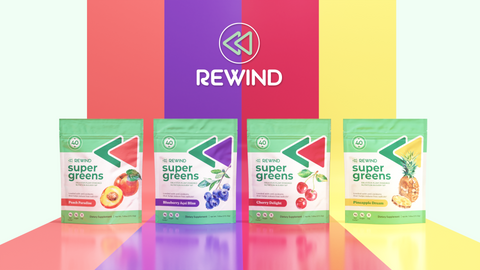

Cherry Delight
$39.99

Pineapple Dream
$39.99
Blueberry Acai Bliss
$39.99


