

Winter has a way of messing with our plans. Snowstorms keep us home. Busy holiday weeks leave no time to shop. Cold, dark evenings make takeout sound easier than cooking. On those nights, a well-stocked pantry can be the difference between a quick, healthy homemade meal and another round of fast food.
A healthy pantry does not have to be fancy or expensive. It is simply a collection of long-lasting basics, like canned beans, whole grains, frozen vegetables, and a few flavor boosters, that you can turn into a balanced meal in minutes. This guide walks you through what to stock, how to choose the healthiest versions, how to store everything, and easy meals you can make from what is on your shelves. You will also see why your super greens powder makes a smart pantry staple too.
Yes. Many people think fresh is always best, but canned and frozen foods can be very nutritious. Fruits and vegetables for freezing and canning are often picked ripe and processed quickly, which helps lock in nutrients. A large study of American children and adults found that people who used canned foods often ate more fruits, vegetables, dairy, and protein foods. They also got more of 17 important nutrients, including fiber, potassium, and calcium, which many Americans do not get enough of.
A good pantry saves money, because shelf-stable foods are often cheaper than fresh and you can buy them on sale. It saves time, since you do not need a store run for every meal. It cuts food waste, because canned and dried foods last for months. And it keeps you prepared for bad weather, illness, or busy weeks when you cannot get to the store.
Stock a few whole grains that cook quickly and keep for months. Good choices include rolled or steel-cut oats, brown rice, quinoa, whole wheat pasta, barley, bulgur, whole grain crackers, and popcorn kernels. Whole grains bring fiber, B vitamins, and minerals and make meals more filling.
Canned and dried beans and lentils are inexpensive, filling, and packed with protein and fiber. Research shows that eating beans and lentils regularly can help lower bad cholesterol. Canned tuna, salmon, sardines, and chicken are quick protein sources. Peanut butter and other nut butters, nuts, and seeds bring protein and healthy fats. Shelf-stable milk or plant milk is handy too.
Keep canned diced tomatoes, tomato sauce, and tomato paste for soups, stews, and pasta. Add canned pumpkin, corn, green beans, carrots, and peas. Look for jars of roasted red peppers, artichoke hearts, and salsa. For fruit, choose canned peaches, pears, pineapple, and mandarin oranges packed in water or 100 percent juice instead of heavy syrup. Unsweetened applesauce and raisins or other dried fruit without added sugar are good options too.
Your freezer is part of your pantry. Stock frozen vegetables like broccoli, spinach, peas, green beans, mixed vegetables, and cauliflower. Keep frozen berries, mango, and bananas for smoothies and oatmeal. Frozen fish fillets, shrimp, chicken breasts, and whole grain bread round it out. Frozen produce is usually picked ripe and frozen quickly, so it holds on to its nutrients well.
A few flavor boosters turn simple ingredients into tasty meals. Keep olive oil and a neutral cooking oil, a few vinegars like balsamic or apple cider, low-sodium broth, low-sodium soy sauce, mustard, and hot sauce. Stock dried herbs and spices like garlic powder, onion powder, cumin, chili powder, paprika, oregano, basil, cinnamon, and black pepper. Onions, garlic, potatoes, and sweet potatoes also keep for weeks in a cool, dark spot.
Read the Nutrition Facts label and ingredients list. For canned vegetables, beans, soups, and broth, choose low sodium, reduced sodium, or no salt added versions when you can. For canned fruit, choose fruit packed in water or 100 percent juice. For grains and cereals, look for whole grains listed first. For nut butters, choose ones with just nuts and maybe a little salt. For snacks, look for little or no added sugar.
Yes. Draining and rinsing canned beans can lower their sodium by a good amount, with some studies finding a drop of around 40 percent. An older study found that rinsing canned tuna in water lowered its sodium a lot, and that draining canned green beans and heating them in fresh tap water instead of the canning liquid cut their salt by about one third. Rinsing can wash away a little of some vitamins too, but the trade-off is usually worth it, especially if you are watching your salt.
Canned foods last a long time, but not forever. In general, canned acidic foods like tomatoes and fruit keep their best quality for about one to one and a half years. Canned low-acid foods like beans, vegetables, and meats keep their best quality for two to five years. Dried grains and beans last about a year or more. Nuts and whole grain flours can go stale or taste bitter sooner, so store them in the fridge or freezer if you will not use them quickly.
Use the first in, first out rule. When you bring home new groceries, put them behind the older ones so you use the older food first. Keep your pantry cool, dry, and away from the stove. Store grains, nuts, and seeds in airtight containers. Throw out any cans that are bulging, leaking, rusted, or badly dented, since these can be unsafe.
If you live where winter storms can knock out power, keep a few no-cook foods on hand, like peanut butter, whole grain crackers, canned tuna or chicken with pull-tab lids, canned fruit in juice, nuts, and shelf-stable milk. Store a manual can opener and plenty of bottled water. Check these supplies each fall and swap out anything close to its date. A little planning means you will still have healthy options if you cannot cook or get to the store for a few days.
Here are a few easy ideas. Make black bean and corn tacos with canned beans, frozen corn, salsa, and whole wheat tortillas. Whip up a hearty minestrone with canned tomatoes, beans, frozen vegetables, broth, and whole wheat pasta. Toss whole wheat pasta with canned tuna, olive oil, garlic, frozen peas, and a squeeze of lemon. Cook a quick lentil curry with dried lentils, canned tomatoes, and spices over brown rice. Make fried rice with leftover brown rice, frozen vegetables, eggs, and low-sodium soy sauce. Stir canned pumpkin and cinnamon into oatmeal for a cozy breakfast.
Use the simple plate guide: half vegetables, a quarter protein, and a quarter whole grains. If a pantry meal looks light on vegetables, add a bag of frozen spinach, broccoli, or mixed vegetables. Finish meals with fresh herbs, lemon, or a sprinkle of nuts or seeds for flavor and crunch.
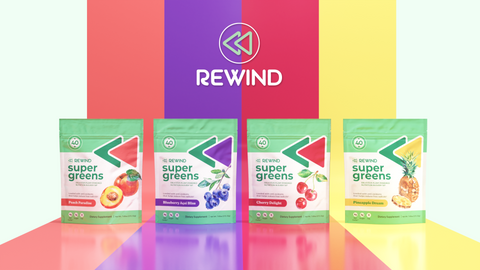
A super greens powder fits right in with other long-lasting pantry staples. It keeps much longer than fresh leafy greens when you store it in a cool, dry place with the lid tightly closed. That means you always have a quick source of plant nutrition, even on weeks when fresh produce runs out or a snowstorm keeps you home. Each serving of Rewind Greens brings 24 plant ingredients, including Spinach Leaf Powder, Organic Broccoli Powder, Barley Grass Powder, Wheatgrass Powder, Spirulina, and berry ingredients like Blueberry Powder.
Mix your super greens into water for a quick morning drink. Blend it into a smoothie with frozen berries, a frozen banana, and shelf-stable milk or plant milk. Stir it into overnight oats made with pantry oats and chia seeds. Check the date on your container and use it before then, just like other pantry foods.
Studies have examined canned food use and diet quality, the effect of rinsing on the sodium content of canned foods, and the health effects of pulse consumption.
A well-stocked pantry is one of the best tools for eating well during busy, cold winter months. Canned and frozen foods can be just as nutritious as fresh, and research shows that people who use canned foods often tend to eat more fruits, vegetables, and protein foods. Stock whole grains, beans and lentils, canned fish, nuts, canned and frozen produce, and a few flavor boosters, and you will always have the makings of a healthy meal.
Choose low-sodium and no-sugar-added versions, rinse canned beans, and use the first in, first out rule. Turn your staples into quick tacos, soups, pasta, and curries. And keep your super greens powder on the shelf as a long-lasting source of plant nutrition for every morning, no matter what the weather brings.
Small dents are usually fine. But throw out cans with deep dents, especially on the seams, as well as cans that are bulging, leaking, or rusted. These can let in bacteria and may be unsafe.
Both can be healthy choices. Frozen vegetables usually have no added salt. Canned vegetables are very convenient but often contain added salt, so choose low-sodium versions and rinse them when you can.
Dried beans and lentils are usually the cheapest. Canned beans cost a little more but save time. Eggs, peanut butter, and canned tuna are other budget-friendly options.
Add one or two items each week rather than buying everything at once. Buy store brands, shop sales, and buy grains and beans in bulk. Focus first on versatile staples like oats, rice, beans, canned tomatoes, frozen vegetables, and peanut butter.
Keep the lid tightly closed and store the container in a cool, dry place away from heat and sunlight. Always use a dry scoop. Check the date on the container and use it before then.
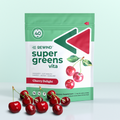
Cherry Delight
$39.99
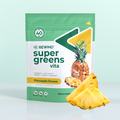
Pineapple Dream
$39.99
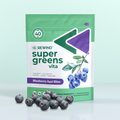
Blueberry Acai Bliss
$39.99


