

Just when most fresh produce starts to fade for the winter, citrus fruits come into their own. From late fall through early spring, stores fill up with sweet navel oranges, easy-to-peel clementines, juicy grapefruit, ruby-red blood oranges, and fragrant lemons and limes. Their bright colors and fresh flavors are a welcome sight on gray winter days.
Citrus fruits are best known for vitamin C, but they bring much more, including fiber, potassium, and folate. This guide covers the most popular citrus fruits, what makes them good for you, what research really says about vitamin C and colds, an important safety note about grapefruit and medicines, and easy ways to enjoy more citrus. You will also see how citrus and your daily super greens drink team up to keep vitamin C in your winter routine.
Navel oranges are sweet, seedless, and easy to peel. Cara cara oranges have pink flesh and a sweet, berry-like flavor. Blood oranges have deep red flesh and a hint of raspberry flavor. Clementines and other mandarins are small, sweet, and perfect for lunchboxes. Grapefruit can be pink, red, or white, with a tart, slightly bitter taste. Lemons and limes add bright flavor to almost any dish. Meyer lemons are a sweeter, less sour type of lemon. Pomelos are the largest citrus fruit, with a mild, sweet flavor.
Choose fruit that feels heavy for its size. That means it is juicy. The skin should be firm and smooth, without soft spots or mold. Do not worry too much about color. Some ripe oranges have a little green on the skin. Store citrus on the counter if you will eat it within a week, or in the fridge to keep it fresh for up to several weeks.
A medium orange has about 70 milligrams of vitamin C. Most adult women need about 75 milligrams a day. Most men need about 90. So one orange covers most or all of what you need. Half a grapefruit, a cup of clementine segments, or a kiwi also gives you a big boost. Your body cannot make or store much vitamin C, so you need a fresh supply every day.
Vitamin C helps your body build the tough, stretchy material in your skin, blood vessels, gums, and bones. It helps wounds heal. It helps your body's defenses work properly. And it helps your body absorb iron from plant foods like beans, lentils, and spinach. That is why pairing citrus with iron-rich plant foods is a smart move.
Citrus fruits bring fiber, especially when you eat the whole fruit and some of the white layer under the peel. They provide potassium, which helps balance sodium and supports healthy blood pressure. They also bring folate, a B vitamin your body uses to make new cells, and natural plant compounds that give citrus its bright color and flavor.
Yes, most of the time. Whole citrus fruit keeps its fiber, which helps you feel full and slows down how quickly the natural sugar enters your blood. A large study of American adults found that eating more whole fruit was linked with a lower risk of type 2 diabetes, while drinking more fruit juice was linked with a higher risk. Enjoy a small glass of 100 percent juice now and then, but choose whole oranges, clementines, and grapefruit most often.
Many people reach for orange juice or vitamin C supplements at the first sign of a cold. But research shows the picture is more complicated. A large review of studies found that taking vitamin C regularly did not lower how often most people catch colds. However, it did shorten how long colds lasted. People under heavy physical stress, like marathon runners and very active people, caught about half as many colds when they took vitamin C regularly.
Yes. Getting enough vitamin C every day supports your body's normal defenses, skin, and healing. The key is getting it regularly from foods like citrus, berries, kiwi, bell peppers, and broccoli, not just when you start to feel sick. A daily habit matters more than a big dose once you already have a cold.
Grapefruit contains natural compounds that can change how your body breaks down certain medicines. With some drugs, the medicine can build up in your blood. Higher levels can cause side effects. This can happen with fresh grapefruit, grapefruit juice, and frozen juice concentrate. Some related citrus fruits can have the same effect. Regular sweet oranges are generally not a concern.
Many common medicines are not affected at all, but some are, including certain cholesterol medicines, certain blood pressure and heart medicines, and some others. The effect can last for many hours, so spacing your grapefruit and your medicine apart may not be enough. If you take any prescription medicine, ask your pharmacist or doctor whether grapefruit or related citrus fruits are safe for you. Many medicine labels and leaflets will also include a warning if grapefruit should be avoided.
Pack a clementine or orange for an easy snack. Add orange or grapefruit segments to green salads with a few nuts. Squeeze lemon or lime juice over fish, chicken, roasted vegetables, beans, and rice. Use citrus zest, the colorful outer layer of the peel, to add bright flavor to oatmeal, yogurt, muffins, and dressings. Mix fresh lime juice into salsa or guacamole.
Yes. A squeeze of lemon or lime brightens food in a way that can make it taste saltier than it is. Try adding citrus to soups, steamed vegetables, and grains instead of reaching for the salt shaker. A simple dressing of olive oil, lemon juice, garlic, and herbs is a tasty, lower-sodium option for salads and roasted vegetables.
Vitamin C helps your body absorb the iron in plant foods. Try a spinach salad with orange segments, black beans with lime and salsa, lentil soup with a squeeze of lemon, or fortified cereal with a side of clementines. These simple combinations help you get more iron from your meals, which is especially helpful for people who eat little or no meat.
Kids love small, easy-to-peel clementines. Let them peel their own. Make orange smiles by cutting oranges into wedges. Freeze orange segments for a cold, sweet treat. Add a squeeze of lemon to water for a fun flavor. Let kids help zest a lemon for muffins. Small hands love these simple jobs.
Citrus is acidic, which can wear down tooth enamel over time if you sip juice or suck on lemons often. Enjoy citrus as part of a meal or snack rather than sipping it all day. Rinse your mouth with plain water afterward, and wait about 30 minutes before brushing.
Citrus is a delicious, budget-friendly way to get vitamin C in winter. Your daily super greens drink adds even more. Rewind Greens includes Acerola Extract. It comes from a small red cherry. Acerola is one of the richest natural sources of vitamin C in the world. It also brings Strawberry Fruit Powder, Pineapple Juice, and leafy greens like Spinach Leaf Powder and Organic Broccoli Powder. Together, whole citrus and your super greens help keep vitamin C steady in your routine every day.
Yes. Mix your super greens into water with a squeeze of fresh orange or lemon for a bright twist. Or blend it into a smoothie with orange segments, frozen mango, a banana, and yogurt. Spirulina in your super greens provides plant iron, and the vitamin C from Acerola and citrus helps your body absorb it.
Reviews and prospective cohort studies have examined grapefruit-medication interactions, vitamin C and the common cold, and whole fruit and fruit juice intake.
Citrus season is a bright spot in the middle of winter. Oranges, clementines, grapefruit, lemons, and limes bring vitamin C, fiber, potassium, and folate, plus fresh flavor that can help you use less salt. Research shows that regular vitamin C does not prevent most colds but may shorten them, and that whole fruit is a better choice than juice most of the time.
Enjoy citrus as snacks, in salads, and squeezed over meals. Pair it with beans, lentils, and spinach to absorb more iron. If you take prescription medicines, ask your pharmacist about grapefruit. And keep your daily super greens drink going, with Acerola for vitamin C, alongside your favorite citrus fruits. It is a simple, delicious way to brighten your winter routine.
One medium orange gives most people close to a full day of vitamin C. Most adults should aim for about one and a half to two cups of fruit a day in total, so one or two pieces of citrus as part of a varied mix of fruit is a great goal.
Yes, but whole oranges are usually a better choice because they keep their fiber and help you feel full. If you drink juice, choose 100 percent juice and keep it to a small glass.
It depends on the medicine. Some common medicines are affected by grapefruit, while many are not. Ask your pharmacist or doctor before eating grapefruit or drinking grapefruit juice if you take any prescription medicine.
Most people can get enough vitamin C from food, especially fruits and vegetables like citrus, berries, kiwi, peppers, and broccoli. If you are thinking about a supplement, talk to your doctor, especially if you have kidney problems or take other medicines.
Rewind Greens includes Acerola Extract, a cherry known as one of the richest natural sources of vitamin C, along with other fruit and vegetable ingredients. Check the label on your container for the exact amount per serving.
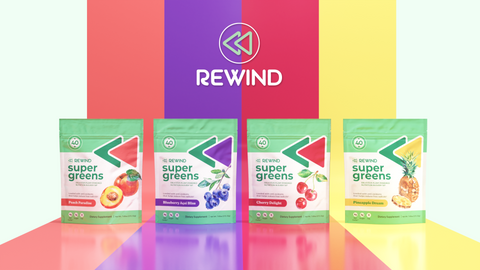

Cherry Delight
$39.99

Pineapple Dream
$39.99

Blueberry Acai Bliss
$39.99


