

The nutritional benefits of a greens powder depend not only on what is in it but on how much of what is in it your body can actually absorb, metabolize, and put to use. This is the question of bioavailability, and it is one of the most practically important concepts in nutritional science because it determines the gap between the nutrient content on a label and the nutritional activity that actually occurs in your body. Understanding polyphenol bioavailability, the factors that increase or decrease it, and how your daily habits around your greens drink affect it, means you can make the most of every serving.
Polyphenol bioavailability is particularly nuanced because polyphenols are not simply absorbed in the small intestine the way water-soluble vitamins are. Their absorption depends on the chemical form they arrive in, whether they are bound to sugars or other plant compounds, the digestive enzymes available to release them, the food matrix they are consumed with, and critically, the gut microbiome's capacity to transform them into the more active metabolite forms that ultimately reach tissues and produce biological effects. Getting more from your greens is partly a matter of what is in them and partly a matter of how you take them.
Polyphenols exist in plant foods in several chemical forms that have very different bioavailability profiles. Some polyphenols, including aglycones, the free polyphenol form without attached sugars, are readily absorbed in the small intestine across a concentration gradient. Others exist as glycosides, bound to sugar molecules that must first be cleaved by either intestinal brush border enzymes or gut bacterial enzymes before the polyphenol core can be absorbed. Larger polyphenol molecules like proanthocyanidins from Grapeseed Extract, which are polymers of multiple polyphenol units, cannot be absorbed intact and must be metabolized by colonic bacteria to produce smaller absorbable metabolites.
The bioavailability of polyphenols from a greens formula is therefore not a fixed number but a variable that depends on the specific polyphenol class, the form it is delivered in, the digestive and gut microbiome environment it encounters, and the food matrix context of the greens drink at the time of consumption. Research has documented that total polyphenol bioavailability from plant foods and supplements can range from less than 10 percent to more than 80 percent depending on these variables. Understanding which variables are within your practical control is the actionable part of bioavailability science.
The food matrix, meaning the other nutrients and food components present alongside a polyphenol at the time of consumption, significantly affects its absorption and metabolite production. Fat is the most practically important food matrix factor for the fat-soluble plant compounds in a greens formula. Lutein from a greens drink is absorbed through the lymphatic system via intestinal lacteals, a process that requires bile acid micelles that are only produced in meaningful amounts when fat is present in the digestive tract. Without fat in the meal or drink, the absorption of fat-soluble carotenoids including beta-carotene from Carrot Powder and Lutein may be markedly reduced.
Research has documented that consuming fat-soluble plant compounds, including carotenoids and fat-soluble polyphenols, with a fat-containing food or meal substantially increases their absorption compared to consuming them with a fat-free meal. The fat does not need to be large in amount. Studies have found that even a teaspoon of olive oil or a tablespoon of nut butter consumed with or around the time of a greens drink meaningfully enhances fat-soluble compound absorption. Mixing your greens powder into a smoothie with avocado, adding a handful of nuts to your morning routine, or taking your greens drink alongside a breakfast with any fat-containing food provides the fat matrix that fat-soluble compound absorption requires.
Acerola Extract's Vitamin C has documented enhancing effects on the absorption of non-heme iron from plant sources, a relationship that is particularly relevant for the iron in Spirulina. Vitamin C reduces ferric iron to the ferrous form that intestinal transporters can absorb more efficiently, and it forms absorbable iron-ascorbate complexes. Taking a greens drink that contains both Spirulina iron and Acerola Vitamin C provides the absorption-enhancing pairing that maximizes the iron bioavailability from plant sources.
More broadly, Vitamin C from Acerola also modestly improves the cellular uptake of some polyphenol classes by supporting the transport proteins that move polyphenol metabolites into tissues. The rich Vitamin C content of Acerola Extract may contribute modestly to the overall bioavailability of the polyphenol network in a greens formula through these transport-supporting mechanisms, in addition to its primary antioxidant and immune nutritional roles.
The most important and least discussed factor in polyphenol bioavailability is the gut microbiome. Many polyphenols, particularly the larger polymer class including proanthocyanidins from Grapeseed Extract and ellagitannins found in some plant ingredients, are not absorbed intact in the small intestine. They reach the colon where gut bacteria metabolize them into smaller phenolic acid metabolites including urolithins, equol, and various hydroxyphenylacetic acids that are then absorbed from the colon and circulate to tissues. These microbial metabolites are in many cases the primary active forms responsible for the health effects attributed to the parent polyphenol in the food.
The gut microbiome's capacity to perform these polyphenol biotransformations varies dramatically between individuals and depends on the composition of the microbial community present. Research has found that some individuals produce abundant urolithin metabolites from ellagitannin-containing foods while others produce virtually none, entirely based on whether their gut microbiome contains the specific bacterial populations capable of performing the necessary transformations. This person-to-person variability in polyphenol bioavailability is one of the primary reasons why consistent daily plant polyphenol intake is the strategy most likely to produce benefits: it continuously enriches the bacterial populations most capable of performing the biotransformations that unlock polyphenol bioactivity, over time improving the gut microbiome's polyphenol processing capacity.
Research has documented that consistent daily polyphenol intake produces adaptive changes in the gut microbiome that improve polyphenol processing efficiency over time. When specific bacterial populations that perform polyphenol biotransformations are consistently provided with their preferred substrate, their populations expand, increasing the gut microbiome's overall capacity to metabolize those polyphenols into their bioactive metabolite forms. This is one of the most important reasons why the benefits of a daily greens habit build over weeks and months rather than occurring maximally from the first serving.
A person who has consumed daily plant polyphenols for six months has a gut microbiome with substantially greater polyphenol-processing capacity than the same person at day one of their greens habit. The same greens formula produces more of the beneficial microbial metabolites in the consistent long-term user than in the new user, because the microbial community has adapted to efficiently process the polyphenol inputs it receives daily.
The science of polyphenol bioavailability and the factors that determine it has advanced significantly in the past decade.
The greens powder in your shaker bottle is the beginning of a complex biological process, not the end of it. What enters your body is a set of plant compounds in various molecular forms. What actually reaches your tissues and produces health effects depends on the food matrix you consume them with, the digestive environment, and the gut microbiome's capacity to transform polyphenol precursors into their bioactive metabolite forms. Maximizing what you get from your greens means taking them with fat-containing foods for fat-soluble compound absorption, maintaining the consistent daily habit that builds gut microbiome polyphenol-processing capacity over time, and understanding that the benefits accumulate more richly in the consistent long-term user than in the occasional consumer.
The most important bioavailability optimization is the simplest: take your greens every day. The gut microbiome that processes polyphenol compounds most efficiently is the one that receives them every day and has adapted to do so over months. Consistency is not just a wellness platitude in the context of polyphenol bioavailability. It is the primary biological mechanism by which greens deliver their maximum benefit.
For fat-soluble compounds including Lutein, beta-carotene, and fat-soluble polyphenols, taking your greens with or around a meal that contains fat significantly improves absorption. For water-soluble compounds including Vitamin C from Acerola and water-soluble polyphenols, the presence of food modestly slows absorption but does not substantially reduce total absorption. A consistent time of day, ideally morning with or after breakfast, is more important for building the daily habit than the specific food timing.
Yes. A smoothie with fruit, and ideally some fat from avocado, nut butter, or coconut oil, provides an excellent food matrix for a greens powder. The fat significantly enhances fat-soluble compound absorption. The vitamin C from fruit can enhance iron absorption from Spirulina. The fiber from fruit complements the fiber in the greens formula for gut microbiome fermentation and short-chain fatty acid production. A smoothie format is one of the bioavailability-optimizing ways to consume a greens formula.
Some polyphenols are heat-sensitive and may be reduced in concentration by high-temperature cooking. Quercetin and EGCG are relatively heat-stable at modest temperatures but can be degraded at boiling temperatures. If mixing greens powder into warm food or drinks, moderately warm rather than boiling temperatures preserve more polyphenol content. Mixing into cold smoothies, room-temperature water, or warm but not hot liquids minimizes heat-related polyphenol loss.
Yes. Some medications affect polyphenol absorption and metabolism. Drugs that alter stomach acid production affect polyphenol solubility. Some medications are metabolized by the same CYP450 enzymes that process certain polyphenols, creating potential interaction effects. People taking multiple medications should discuss any supplement addition including greens powders with their pharmacist or prescribing physician to check for potential interactions.
Research on gut microbiome adaptation to dietary changes suggests that measurable shifts in bacterial populations in response to dietary changes begin within days, with more substantial compositional changes occurring over two to four weeks of consistent dietary input. The polyphenol-processing bacterial populations enriched by consistent daily greens intake reach more stable higher abundance levels over four to twelve weeks of consistent daily use. This timeline is one of the practical reasons why greens benefits accrue over weeks and months rather than being maximally apparent from the first serving.
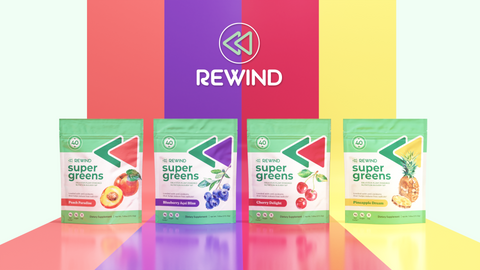
Cherry Delight
$39.99

Pineapple Dream
$39.99
Blueberry Acai Bliss
$39.99


