

Endocrine disrupting chemicals, commonly called EDCs, are among the most discussed environmental health concerns in contemporary nutritional and medical science. They are compounds that interfere with the body's hormonal signaling systems, and they are almost impossible to avoid entirely in modern life. Bisphenol A (BPA) in food packaging, phthalates in personal care products, parabens in cosmetics, and pesticide residues in conventionally grown produce all fall into this category. Research has established that even low-level chronic exposure to these compounds, the kind that occurs simply by using everyday consumer products, can produce measurable effects on hormonal signaling, oxidative stress, and metabolic function.
This is not a blog about fear, and it makes no medical claims about treating or preventing EDC-related health effects. What it does address is the evidence that specific plant compounds in a daily greens formula support the biological systems most relevant to the body's capacity to manage environmental chemical exposure: the liver's detoxification pathways that process and eliminate EDCs, the antioxidant defense systems that protect against the oxidative stress that EDC exposure generates, and the anti-inflammatory mechanisms that reduce the downstream consequences of hormonal disruption. Understanding this nutritional support dimension empowers practical, daily action.
The endocrine system regulates virtually every physiological process in the body through chemical messengers, hormones, that travel through the bloodstream to target cells where they bind to specific receptors and trigger cellular responses. EDCs disrupt this system through several mechanisms. Structural mimicry allows some EDCs, particularly BPA and certain phthalates, to bind to hormone receptors such as the estrogen receptor, producing hormonal effects without being actual hormones. Receptor antagonism allows other EDCs to bind to hormone receptors and block them, preventing normal hormonal signaling. And enzyme disruption allows some EDCs to interfere with the enzymes that synthesize, metabolize, or transport hormones, altering circulating hormone levels.
Bisphenol A, the most extensively studied EDC, is a potent xenoestrogen that can bind to estrogen receptors at concentrations measurable in the bodies of the majority of people in developed countries. Research has documented associations between BPA exposure and disrupted insulin signaling, altered thyroid function, impaired reproductive hormone balance, and increased inflammatory markers. Phthalates, found in flexible plastics and many personal care products, are linked to androgen disruption in multiple studies. The cumulative picture is one of a modern environment in which hormonal chemical noise from non-hormonal chemical sources is a genuine background condition of everyday life.
The liver is the body's primary organ for processing and preparing exogenous chemicals, including EDCs, for excretion. This process occurs in two phases. Phase I reactions, primarily involving the cytochrome P450 enzyme family, chemically modify the EDC molecule, often by oxidation, reduction, or hydrolysis, making it more water-soluble and adding reactive chemical groups. Phase II reactions then attach conjugating molecules, including glucuronic acid, sulfate, or glutathione, to these reactive groups, producing the water-soluble conjugated metabolites that the kidneys can excrete in urine or the intestines can eliminate in bile and feces.
Plant compounds actively support both phases of this hepatic detoxification system. Milk Thistle Seed Powder's primary active compound, silymarin, has extensively documented hepatoprotective properties and supports liver cell integrity during the metabolically demanding process of Phase I and Phase II biotransformation of environmental chemicals. Green Tea Extract EGCG induces Phase II detoxification enzymes through the Nrf2 pathway activation, upregulating the glutathione S-transferases and UGT enzymes that conjugate Phase I products for excretion. Cruciferous compounds from Organic Broccoli Powder also support Phase II enzyme induction, increasing the liver's conjugation capacity.
After the liver conjugates EDCs for bile excretion, they travel through the bile duct to the intestines, where they should be excreted in feces. However, certain gut bacteria produce beta-glucuronidase enzymes that deconjugate these bound EDCs, releasing the free EDC back into the intestinal environment where it can be reabsorbed. This enterohepatic recirculation keeps EDCs cycling through the body rather than being efficiently eliminated.
The plant polyphenols in a greens formula, particularly those from Green Tea Extract and Grapeseed Extract, modestly inhibit bacterial beta-glucuronidase activity, reducing the deconjugation of bile-excreted EDCs and supporting more efficient fecal elimination. Plant fiber and inulin in the formula support the beneficial gut bacterial populations whose metabolic activity is less inclined toward EDC deconjugation compared to dysbiotic bacterial populations. And the overall anti-inflammatory gut microbiome environment that consistent plant polyphenol intake creates produces a digestive milieu in which EDC recirculation is reduced.
One of the primary mechanisms through which EDCs produce cellular damage is the generation of reactive oxygen species. BPA exposure has been documented to increase mitochondrial ROS production and disrupt endogenous antioxidant enzyme activity including superoxide dismutase and catalase. Phthalates similarly produce oxidative stress in reproductive and metabolic tissue. The oxidative burden of chronic low-level EDC exposure, compounding daily over years, contributes to the cumulative cellular damage that long-term EDC exposure is associated with in population research.
The comprehensive antioxidant network of a daily greens formula addresses this EDC-associated oxidative burden through multiple simultaneous mechanisms. Quercetin Dihydrate activates Nrf2, upregulating endogenous antioxidant enzyme production. Green Tea Extract EGCG is among the most potent free radical scavengers in the dietary polyphenol landscape. Resveratrol activates SIRT1, improving mitochondrial efficiency and reducing mitochondrial ROS production. Acerola Vitamin C is the primary aqueous antioxidant that protects cells from the oxidative damage of environmental chemical exposure. And Spirulina phycocyanin reduces the inflammatory cytokine production that EDC-associated oxidative stress amplifies. Each of these mechanisms provides an additional layer of protection against the oxidative consequences of the environmental chemical exposure that complete avoidance cannot prevent.
Research on specific plant compounds and their interactions with EDC-related hormonal disruption has documented several mechanisms of protective relevance. Resveratrol has documented effects on modulating estrogen receptor signaling in ways that may counteract the estrogenic activity of xenoestrogen EDCs like BPA, and has been specifically studied for its capacity to mitigate BPA-induced metabolic disruptions including insulin signaling impairment and inflammatory marker elevation. Clinical research on Resveratrol in BPA-exposed populations has found improvements in markers of metabolic and hormonal disruption that are mechanistically consistent with its antioxidant and receptor-modulating properties.
Quercetin has been studied for protective effects against androgen receptor disruption from phthalate class EDCs, with research documenting its capacity to reduce the testosterone-disrupting effects of certain phthalates through antioxidant and anti-inflammatory mechanisms in reproductive tissue. Grapeseed Extract proanthocyanidins have documented hepatoprotective effects that support the liver's capacity to process and eliminate EDCs efficiently. And Milk Thistle silymarin's well-established liver protective properties are directly relevant to maintaining the Phase I and Phase II detoxification enzyme activity that EDC processing requires.
The research on plant compounds and endocrine disruptor health effects is rapidly growing with increasingly mechanistic specificity.
Endocrine disrupting chemicals are a genuine and pervasive feature of modern life, and complete avoidance is not a practical option for most people. The meaningful and practically accessible response is not paralysis in the face of this reality but rather the daily reinforcement of the biological systems that manage environmental chemical exposure: the liver's detoxification pathways, the antioxidant defense systems that protect against oxidative consequences, and the anti-inflammatory environment that reduces the downstream hormonal and metabolic effects of EDC exposure.
A daily greens drink supports all of these dimensions simultaneously. Milk Thistle Seed Powder for liver cell integrity and Phase II enzyme support. Broccoli Powder for Phase II detoxification enzyme induction. Quercetin and EGCG for Nrf2-mediated antioxidant defense and beta-glucuronidase inhibition. Resveratrol for BPA-specific metabolic and hormonal protection through SIRT1 and receptor modulation. And the comprehensive antioxidant network for the oxidative stress that daily environmental chemical exposure produces. It does not eliminate the EDC challenge. Nothing can. It does meaningfully support the body's capacity to manage it.
No supplement removes BPA or other EDCs from the body directly. A greens drink supports the liver detoxification pathways and gut elimination mechanisms that process and excrete EDCs through the body's own biological systems, and it provides antioxidant and anti-inflammatory support against the cellular consequences of EDC exposure. This is meaningful biological support but distinct from claims of direct EDC removal.
Plant phytoestrogens, including the isoflavones in soy and the lignans in flaxseed, are estrogen receptor ligands with much weaker activity than both endogenous estrogens and synthetic xenoestrogen EDCs like BPA. The greens formula ingredients including Quercetin and Resveratrol interact with estrogen receptors at low potency in ways that research suggests may be protective rather than additive to EDC hormonal effects. The overall evidence for plant polyphenols in hormonal health is consistently supportive rather than disruptive at dietary doses.
The most evidence-supported EDC exposure reduction practices include avoiding plastic food containers particularly when heated, choosing personal care products without parabens and phthalates, eating organically grown produce where practical, using glass or stainless steel water bottles rather than plastic, and ensuring adequate ventilation in spaces with new furniture or flooring that may off-gas EDCs. A daily greens habit addresses the nutritional inside layer of this approach, supporting the body's management of the exposure that practical avoidance cannot fully prevent.
Milk Thistle Seed Powder's primary active compound silymarin has documented hepatoprotective properties that support liver cell integrity and function under toxic chemical exposure conditions. The liver is the primary organ for EDC processing through Phase I and Phase II biotransformation, and maintaining liver cell health under the ongoing metabolic demand of daily EDC processing is a genuine and relevant function that Milk Thistle nutritional support addresses. Clinical research on silymarin and liver function in toxic exposure contexts supports its role as a liver-protective botanical compound.
Research consistently finds that populations with greater hormonal sensitivity, including children during developmental windows, women during reproductive years, and people with hormone-sensitive conditions, show greater susceptibility to the effects of EDC exposure. The nutritional support that plant polyphenols provide for hormonal health, liver detoxification, and antioxidant defense is relevant across all adults but may be particularly meaningful for those in higher-sensitivity categories. Any specific concerns about EDC exposure in hormonal health contexts should be discussed with a healthcare provider.
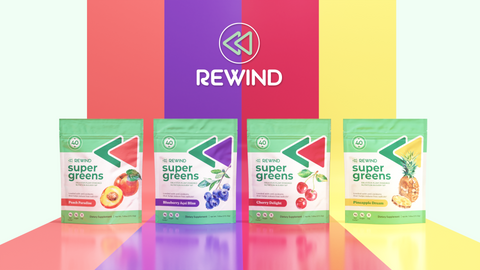
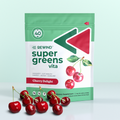
Cherry Delight
$39.99
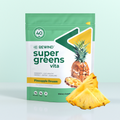
Pineapple Dream
$39.99
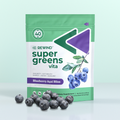
Blueberry Acai Bliss
$39.99


