

Thanksgiving is about many things. There is the food, the football, and the long list of dishes. But at its heart, the holiday is about gathering. People come together around one table, pass the plates, and talk. That simple act of eating together may be the most valuable part of the day.
Researchers have studied shared meals for years. They have asked whether families and households that eat together tend to eat differently and feel differently. The answers are encouraging. This guide explains what the research shows, what it cannot show, and how to bring more shared meals into your regular routine, whether you live with a big family or on your own. You will also see how a simple super greens habit can be a calm way to start a busy holiday morning.
A shared meal is more than food on plates. It is time set aside to sit down with other people. Phones go down. Conversation starts. Someone passes the potatoes and someone else tells a story. In a world where many of us eat on the go, a meal at a shared table is a small pause.
Not at all. Thanksgiving is the holiday that celebrates the shared meal, but the benefits that researchers have studied come from regular meals over time. A weekday dinner or a weekend breakfast counts too. The big holiday meal is a good reminder of what is possible on an ordinary Tuesday.
A large review pulled together 17 studies that included more than 182,000 children and teens. Young people who shared three or more family meals a week tended to eat better than those who shared fewer meals. Among older children, the odds of eating healthy foods were 24 percent higher, and the odds of eating unhealthy foods were 20 percent lower. The authors also noted 12 percent lower odds of being overweight. These are links, not proof. But they point in the same direction.
A study of 889 parents in the United States asked how often their families shared meals. Parents who reported frequent family meals also reported better family relationships, higher self-esteem, and lower stress. They also reported eating more fruits and vegetables. The pattern was similar for mothers and fathers. Not every measure was linked. The study found no connection with body size. But the findings suggest that shared meals may be good for the whole family, not just the children.
A newer review looked at many reviews on this topic at once. It found that more frequent family meals were linked with better diet quality and better wellbeing in young people. It also found that the effect on body weight was small. And it pointed out a problem: researchers do not all agree on what counts as a family meal. That makes it hard to compare studies. So the message is hopeful, but it is not a promise.
We cannot say for sure. Families who eat together may already differ in other ways. They may have more time, more routine, or closer relationships. Researchers call these other factors. Even so, the results are consistent across many studies, and the habit is easy to try. There is little downside to sitting down together more often.
The studies often looked at three or more shared meals per week. That is a good starting goal. It does not have to be dinner. Breakfast, weekend lunch, or a Sunday meal all count. Pick the meals that fit your schedule. Even one extra shared meal a week is a start.
Look for the easiest meal to share. For some families it is weekend breakfast. For others, it is a late dinner after practice. Write the meal on the calendar the way you would write a meeting. If one parent works late, eat together anyway on the days that you can. Do not wait for the perfect night.
Keep it simple. Put phones in another room. Turn off the television. Set the table, even for a quick meal. Let each person tell one thing about their day. Do not use the table to scold or to argue. Keep the mood warm. If everyone looks forward to the meal, they will come back to it.
Give children a role. They can set the table, wash vegetables, stir a pot, or fold napkins. Children who help make the meal are often more curious about what is on the plate. Let them choose a vegetable at the store now and then. These small jobs also build skills for later.
Try simple questions. What was the best part of your day? What is something that made you laugh? What is one thing you are looking forward to this week? If you want a Thanksgiving twist, ask everyone to name one thing they are thankful for. You do not need a script. The goal is to listen to each other.
No. A shared meal can be with friends, roommates, coworkers, neighbors, or relatives who live far away. The research focused on families, but the heart of the idea is connection. If you live alone, there are many ways to share a meal.
Invite a neighbor or coworker for a simple soup and bread. Start a monthly potluck with friends. Share a meal by video call with someone who lives far away. Cook the same recipe at the same time and compare notes. Join a community meal at a local center or place of worship. Hosting does not have to be fancy. A pot of soup and some fruit is plenty.
That happens, and it can be hard on a holiday. Set a pretty table for yourself. Cook one dish you love. Call someone while you eat. Many people find that a small ritual makes a quiet meal feel special. If you feel lonely a lot, it is worth reaching out to a friend or a doctor.
The person cooking the big meal often misses the table. Share the tasks. Ask each guest to bring a dish. Ask someone to carve. Give children simple jobs. Let others handle the drinks and the dishes. When the work is shared, the cook gets to sit down and enjoy the meal too.
Serve the meal when most people are ready. Do not worry if a dish is late. Let the tray of vegetables go first. Let people take small first helpings. And remember the food safety basics: put leftovers away within two hours, so you can relax without worry later.
Ask ahead if guests have allergies or special diets. Make sure each person has something they can eat. A table with a variety of vegetables, grains, and proteins makes it easy for everyone to find a plate. Label dishes if you can.
The morning of a big holiday can be hectic. Pots are on the stove. People are arriving. It helps to have one calm moment before it all begins. Many people use a daily super greens drink for that. Mixing it takes about 30 seconds. It is a small, steady habit that works on any day, busy or not.
Each serving of Rewind Greens brings 24 plant ingredients into one glass. These include Spinach Leaf Powder, Organic Broccoli Powder, Barley Grass Powder, Wheatgrass Powder, Spirulina, Carrot Powder, and berry ingredients like Blueberry Powder and Bilberry Fruit Extract. It does not replace the vegetables on your plate or the time at the table. It is a simple way to add plant variety to a morning that may end with a very rich meal.
A shared morning drink can be a small ritual, too. Some families mix a glass for each person who wants one and drink it together while they cook. Check the label for serving information, and ask your doctor if anyone in your household has a health condition or takes medicine.
A meta-analysis, a population survey, and an umbrella review have examined the frequency of shared meals in relation to diet quality and wellbeing.
A shared meal is one of the oldest and simplest habits we have. Research links regular family meals with healthier eating and better wellbeing, though the studies cannot prove cause and effect. The effect on weight appears small. The most hopeful finding is how easy the habit is to try. You do not need a big feast. You need a table, some food, and the people you care about.
This Thanksgiving, enjoy the meal, put your phone away, and pass the plates. Then carry the habit into the weeks ahead. Pick one or two meals a week to share. Ask for help in the kitchen. Invite someone who might be alone. And start your day with a steady habit, like your daily super greens drink, so you can show up calm and ready for the people at your table.
The studies often looked at three or more meals per week. That is a good starting goal. If you are at zero or one now, adding one more is a real step forward.
Yes. Any meal where family members or household members sit down together counts. Breakfast, lunch, dinner, and weekend brunch all work. Pick what suits your schedule.
Look for overlap. Maybe two people can eat together on weeknights and the full group on weekends. Even partial gatherings help build the habit. Do not give up because the whole group cannot sit down together every time.
No. A simple meal of soup, bread, and fruit, or eggs and toast, works just as well. The point is sitting down together, not impressing anyone.
Check with your child's doctor before giving a child a super greens drink or any supplement. Children do best with a wide variety of whole fruits and vegetables, so keep those at the center of the table.
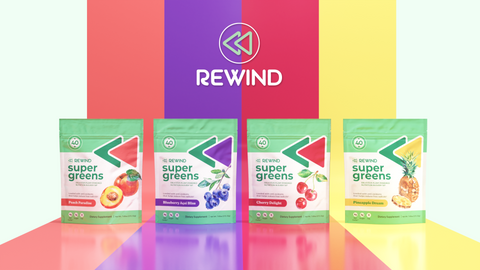

Cherry Delight
$39.99

Pineapple Dream
$39.99

Blueberry Acai Bliss
$39.99


