

Pumpkin season is not just about carving jack-o-lanterns and sipping sweet seasonal drinks. Pumpkins and their cousins, winter squash like butternut, acorn, and spaghetti squash, are some of the most nutritious and budget-friendly vegetables of the fall and winter months. Their bright orange flesh is packed with vitamins and minerals, and their seeds are a crunchy, nutritious snack that many people throw away.
Winter squash is also one of the most versatile foods you can cook. You can roast it, mash it, blend it into soup, stir it into oatmeal, or bake it into muffins. And because whole squash can last for months in a cool spot, it is easy to keep on hand all winter. This guide covers the most popular types, what makes them good for you, how to choose and cook them, and how they pair with your daily super greens drink.
Summer squash, like zucchini and yellow squash, is picked young, has soft skin you can eat, and spoils within a week or so. Winter squash is harvested when fully mature in late summer and fall. It has a hard, thick rind that protects it, so it can be stored for weeks or even months. The name winter squash comes from its ability to last through the winter, not from when it grows.
Pie pumpkins, also called sugar pumpkins, are smaller and sweeter than carving pumpkins and are best for cooking. Butternut squash has a tan skin, a long neck, and sweet, smooth orange flesh that is great for soups. Acorn squash is small and green with a ridged shape, perfect for roasting in halves. Spaghetti squash has golden flesh that pulls apart into long strands like noodles. Delicata squash has thin, striped skin you can eat, which makes it one of the easiest to cook. Kabocha squash has a dark green skin and rich, sweet, almost nutty flesh.
The bright orange color of pumpkin and most winter squash comes from natural plant pigments. Your body turns some of these pigments into vitamin A, which helps your eyes, skin, and body defenses work well. Pumpkin also contains Lutein and related yellow pigments that collect in the eyes. Winter squash is a good source of potassium, which helps balance the effects of sodium and supports healthy blood pressure. It also brings fiber, vitamin C, and B vitamins, all for relatively few calories. A cup of cooked butternut squash has around 80 calories.
Very. Pumpkin seeds, sometimes called pepitas, are one of the most nutrient-packed parts of the pumpkin. They bring plant protein, healthy fats, and fiber, plus minerals like magnesium, zinc, iron, and potassium. Magnesium helps your muscles and nerves work, and zinc helps your body heal and fight off germs. A small handful of roasted pumpkin seeds makes a satisfying, crunchy snack.
Yes. Research has found that pumpkin peel can be even richer in some nutrients and orange pigments than the flesh. For most hard winter squash, the skin is too tough to eat comfortably. But with delicata squash and some kabocha, the skin softens when roasted and is perfectly edible.
Choose squash that feels heavy for its size, with a firm, dull rind and no soft spots, cracks, or mold. A shiny rind can mean the squash was picked too early. The stem should be dry and firm. For pumpkins, look for pie or sugar pumpkins rather than large carving pumpkins, which are watery and stringy.
Store whole winter squash in a cool, dark, dry place with good air flow, like a pantry or basement, not in the fridge. Stored this way, many varieties last one to three months. Once cut, wrap the pieces and keep them in the fridge for up to five days. Cooked squash can be frozen for several months.
Yes. Plain canned pumpkin is a convenient and nutritious option. It is usually just cooked, pureed pumpkin. Make sure the label says 100 percent pure pumpkin and not pumpkin pie filling, which has added sugar and spices. Canned pumpkin is perfect for oatmeal, smoothies, muffins, soups, and chili.
Hard squash can be tricky to cut. Place it on a damp towel so it does not slide. Use a large, sharp knife. To make cutting easier, poke a few holes in the squash with a fork and microwave it for two to three minutes to soften the rind slightly. Cut off the top and bottom first to create flat surfaces, then cut it in half and scoop out the seeds.
Roasting is easy and brings out the natural sweetness. Cut the squash in half or into cubes, toss with a little olive oil, salt, and pepper, and roast at about 400 degrees Fahrenheit until tender and golden, usually 25 to 45 minutes depending on size. Acorn and delicata squash halves can be roasted cut-side down. Spaghetti squash halves roast in about 40 minutes, then you scrape the flesh into strands with a fork.
Blend roasted butternut squash with sautéed onion, garlic, and broth for a creamy soup without cream. Toss roasted squash cubes into salads and grain bowls. Use spaghetti squash in place of pasta with marinara sauce. Stuff acorn squash halves with brown rice, beans, and vegetables. Mash roasted squash with a little butter and cinnamon as a side dish. Stir canned pumpkin into oatmeal or chili. Swap some of the oil in muffins or quick bread for pumpkin puree.
It is one of the best. Roast two or three squash on the weekend and use them all week. Add roasted cubes to lunch bowls, blend some into a quick soup, mash some for a side dish, and stir puree into breakfast oatmeal. Cooked squash keeps for about four to five days in the fridge. You can also freeze roasted cubes or puree in small portions, so you always have some ready to toss into soups, sauces, and smoothies during busy weeks.
Rinse the seeds to remove the stringy pulp, then pat them dry. Toss with a little olive oil and a pinch of salt, or try cinnamon, chili powder, or garlic powder. Spread in a single layer on a baking sheet and roast at about 325 degrees Fahrenheit for 15 to 25 minutes, stirring once, until golden and crunchy. Seeds from butternut and acorn squash can be roasted the same way.
Most pumpkin spice drinks, muffins, and snacks contain very little actual pumpkin. Their flavor mostly comes from spices like cinnamon, nutmeg, ginger, and cloves, plus a lot of added sugar. Some seasonal drinks have as much sugar as several cookies. Enjoy them as an occasional treat, and get your real pumpkin from whole foods like roasted squash, pumpkin soup, and pumpkin oatmeal. To get the cozy flavor at home, sprinkle pumpkin pie spice on plain yogurt, oatmeal, or warm milk.
Orange vegetables like pumpkin and squash and leafy greens bring different nutrients to your plate. Eating both helps you get a wider variety. Rewind Greens includes Carrot Powder, which brings orange plant pigments similar to those in squash, along with Lutein. It also brings leafy greens like Spinach Leaf Powder and Organic Broccoli Powder, grasses like Barley Grass and Wheatgrass, and Spirulina.
The orange and yellow pigments in pumpkin, squash, carrots, and leafy greens dissolve in fat. Eating them with a little healthy fat, like olive oil, nuts, avocado, or yogurt, helps your body absorb much more of them. Roast your squash with olive oil, top pumpkin oatmeal with walnuts, or blend your morning super greens into a smoothie with a spoonful of nut butter. Try a pumpkin smoothie by blending canned pumpkin, a frozen banana, Greek yogurt, cinnamon, milk, and your super greens powder.
Recent reviews have characterized the nutritional composition of pumpkin flesh, peel, and seeds.
Pumpkin and winter squash are colorful, cozy, and packed with good nutrition. Their orange flesh brings plant pigments your body turns into vitamin A, along with potassium, fiber, and vitamin C. Their seeds bring protein, healthy fats, and minerals like magnesium and zinc. And because whole squash keeps for months, it is an easy vegetable to have on hand all winter.
Choose a squash that feels heavy for its size, store it in a cool, dark place, and roast it with a little olive oil for an easy side. Blend it into soup, stir canned pumpkin into oatmeal, and roast the seeds for a snack. Enjoy pumpkin spice treats in moderation, and pair your squash with your daily super greens drink and a little healthy fat to get the most from every colorful bite.
Large carving pumpkins are edible, but they are watery and stringy and not very flavorful. Once carved and left out, they can spoil quickly and should not be eaten. For cooking, choose smaller pie or sugar pumpkins.
Plain canned pumpkin is very nutritious and is often more concentrated than fresh cooked pumpkin. Just make sure you buy 100 percent pure pumpkin, not pumpkin pie filling.
Delicata squash is a great place to start. Its skin is thin enough to eat, so you do not need to peel it. Just cut it in half, scoop out the seeds, slice, and roast.
Spaghetti squash makes a light, vegetable-packed swap for pasta. It is lower in calories and carbohydrates than regular pasta. Top it with marinara sauce, vegetables, and a protein like chicken or beans for a filling meal.
Yes. Canned pumpkin blends beautifully into smoothies. Try a quarter to half a cup with a frozen banana, Greek yogurt, cinnamon, milk, and your super greens powder for a creamy, fall-flavored drink.
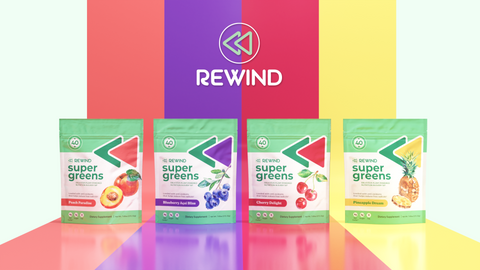
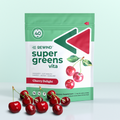
Cherry Delight
$39.99
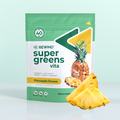
Pineapple Dream
$39.99
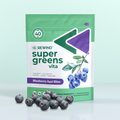
Blueberry Acai Bliss
$39.99


