

Let’s talk about something that’s creating a buzz in the world of nutrition and wellness - GLP-1. You might have heard the term thrown around with appetite, weight management, or blood sugar, but here’s the thing: GLP-1 isn’t just another diet fad. It’s a naturally occurring hormone in your body that plays a major role in controlling cravings and telling you when you’re truly full.
Your gut, home to trillions of bacteria, is a key player in regulating this hormone. That means the state of your gut can directly influence how hungry or satisfied you feel after meals.
Ever wonder why some meals leave you completely satisfied while others have you reaching for snacks within an hour? Or why late-night cravings feel impossible to resist? Understanding GLP-1 and how your gut works could be the missing piece to solving those mysteries. Let’s break it down in a way that actually makes sense and that you can use in your everyday life.
GLP-1, or (glucagon-like peptide-1), is an incretin hormone secreted by the L-cells of the small intestine in response to nutrient intake, particularly carbohydrates and fats. Its primary function is straightforward: GLP-1 plays a crucial role in regulating appetite, glucose metabolism, and digestive processes.
Key Functions of GLP-1
Your gut isn’t just a place for digesting food; it’s a complex ecosystem filled with trillions of bacteria, often referred to as your gut microbiome. Beyond their role in breaking down food, these microbes have a direct impact on hormone signaling, including the production of GLP-1.
Some bacteria in your gut produce short-chain fatty acids (SCFAs) when they break down certain fibers, like prebiotic fibers. These SCFAs serve as important signaling molecules that can stimulate GLP-1 secretion, which in turn communicates with the brain to regulate appetite and reduce cravings.
In essence, your gut microbiome acts as a regulatory network for hunger hormones. A diverse and healthy microbial community supports more effective GLP-1 signaling, making it easier to manage appetite and maintain balanced energy intake.
GLP‑1, is a hormone that plays a key role in controlling appetite, how full you feel after eating, and even your food choices. It works both in your gut and in your brain, which is why it has such a big impact on cravings and overall energy intake.
One of GLP‑1’s main jobs is to slow down gastric emptying - how quickly your stomach passes food into the small intestine. By doing this, meals are digested more slowly, keeping you satisfied for longer and reducing the urge to snack between meals.
Research shows that GLP‑1 can directly decrease hunger. In clinical studies, participants given GLP‑1 reported feeling fuller and ended up eating fewer calories compared with those who weren’t. This is one reason GLP‑1 is often studied in the context of weight management and appetite control.
GLP‑1 also sends signals to thehypothalamus and other parts of the brain that control hunger and food reward. These signals enhance satiety and can reduce cravings for highly processed or sugary foods, helping you naturally make better food choices.
Not all meals affect GLP‑1 equally. Foods that are high in protein, fiber, and healthy fats trigger stronger GLP‑1 responses. This combination slows digestion, stabilizes blood sugar, and keeps cravings in check. On the other hand, meals rich in refined carbs and sugar may trigger weaker GLP‑1 activity, leading to faster hunger and stronger cravings.
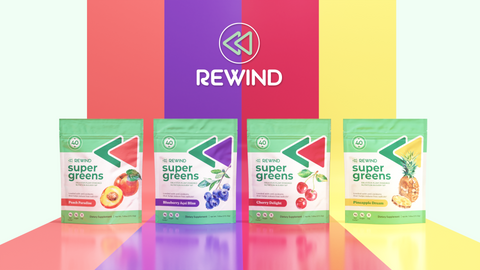
This is where something like super greens powders can play a role. Many super greens products, including Rewind Greens, are loaded with prebiotic fibers like apple pectin, inulin, and powdered fruits and vegetables. These fibers feed your gut bacteria, helping them produce SCFAs, which in turn can boost GLP-1 production.
Adding super greens to your diet regularly can:
Think of super greens as giving your gut the tools it needs to send the right “full” signals to your brain.
You don’t need fancy medications or extreme diets to support GLP-1. Here are a few practical, everyday ways to help your body do its thing:
Supporting GLP‑1 doesn’t have to be complicated. By combining nutrient-rich meals with prebiotic fibers, you can naturally enhance GLP‑1 production, reduce cravings, and feel fuller for longer. Super greens powders, like Rewind Greens, are an easy and effective way to give your gut the nutrients it needs to support this process.
1. Protein-Packed Breakfast with Super Greens
Example: Blend a scoop of super greens powder with Greek yogurt, berries, and chia seeds.
2. Fiber-Rich Lunch with Super Greens
Example: Toss a scoop of super greens powder into a veggie and lentil salad with avocado and olive oil.
3. Balanced Snack with Super Greens
Example: Mix a scoop of super greens powder into water, a smoothie, or even oatmeal, paired with apple slices or nut butter.
4. Nutrient-Rich Dinner with Super Greens
Example: Incorporate super greens powder into a small side smoothie alongside baked salmon, quinoa, and steamed broccoli.
GLP-1 is your body’s natural appetite hormone, and your gut bacteria help regulate it. By feeding your gut with the right fibers and nutrients, you can naturally support GLP-1, reduce cravings, and feel fuller longer. It’s a beautiful example of how what you eat and the health of your gut can directly influence your relationship with food.
Understanding GLP-1 isn’t just for scientists, it’s for anyone who wants to better understand hunger, cravings, and how their gut affects their overall health. By supporting your gut with prebiotic-rich foods and healthy lifestyle habits, you can naturally regulate GLP-1, reduce cravings, and feel satisfied after meals.
It’s a reminder that sometimes, managing appetite isn’t about willpower, it’s about giving your body and gut what they need to work properly.
Yes! GLP-1 naturally helps regulate appetite and blood sugar. A healthy GLP-1 response can make it easier to eat less without feeling deprived.
Your gut can start influencing GLP-1 within hours after eating a fiber-rich meal, but consistent dietary habits have the biggest impact over weeks or months.
Not quite. Prebiotics are fibers that feed your gut bacteria, while probiotics are live bacteria you consume directly. Both can support gut health and GLP-1 production.
Yes! Many super greens contain prebiotic fibers and plant compounds that support gut bacteria, which in turn can enhance natural GLP-1 production.
High-fiber foods like vegetables, fruits, legumes, oats, and whole grains, along with protein-rich foods, are excellent for boosting GLP-1 naturally.
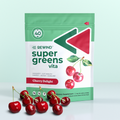
Cherry Delight
$39.99
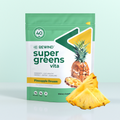
Pineapple Dream
$39.99
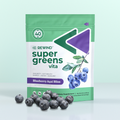
Blueberry Acai Bliss
$39.99


