

Sweet potatoes are one of those rare foods that taste like a treat and pack in a surprising amount of good nutrition. They are naturally sweet and creamy, they come in vivid orange, yellow, and even purple, and they cook up beautifully in dozens of ways. This time of year, they show up at almost every holiday table, usually topped with marshmallows and brown sugar. But the vegetable underneath all that sweetness is worth getting to know on its own terms.
This guide digs into what makes sweet potatoes so good for you, how they compare to regular potatoes, the best ways to cook them, and how they fit into a plant-rich routine alongside your daily super greens drink.
Not quite. Despite the name, sweet potatoes are only distantly related to regular white or russet potatoes. They belong to a completely different plant family. What they share with regular potatoes is that both grow underground as tubers. But sweet potatoes have their own distinct nutritional profile, flavor, and cooking properties.
Sweet potatoes come in several flesh colors. Orange-fleshed sweet potatoes are the most common in American stores. Their deep orange color comes from a natural orange color compound, which your body converts into vitamin A. Yellow-fleshed varieties are milder and slightly less sweet. Purple-fleshed sweet potatoes have a deep, striking color from natural plant compounds. White-fleshed varieties have very little of that orange color compound. For the most nutrition, choose orange-fleshed varieties most often.
A medium baked sweet potato with its skin has around 100 to 130 calories. It brings about 4 grams of fiber, significant potassium, vitamin C, and B vitamins. Its star nutrient is a natural orange pigment your body turns into vitamin A. Vitamin A supports your eyes, skin, and body's defenses. The orange color in sweet potatoes is a helpful guide: the deeper the orange, the richer the orange plant pigment.
A systematic review of human studies on sweet potato consumption found that eating sweet potatoes was linked with improved blood sugar control, better blood pressure, improved vitamin A status, and better iron absorption. The review looked at 22 studies covering a range of health outcomes. The authors noted that the evidence is promising but that more long-term studies are needed.
Many people assume sweet potatoes spike blood sugar because they taste sweet. But the fiber and natural compounds in sweet potatoes slow how fast they digest. When boiled, sweet potatoes tend to have a steadier effect on blood sugar than when baked or fried. Research specifically on sweet potato and blood sugar suggests that sweet potato intake may support blood sugar balance, though the studies have been small. Pairing them with protein, healthy fat, or fiber-rich foods can also help steady the response.
Both are nutritious whole foods. Regular potatoes bring potassium, vitamin C, and fiber. Sweet potatoes are higher in orange plant pigments, especially in orange-fleshed varieties. Regular potatoes have more potassium per serving. Neither is bad for you. The issue is usually how they are prepared: sweet potato fries and mashed potatoes loaded with butter and cream share more in common with each other than with their plain versions. A baked sweet potato is a great food. A sweet potato casserole covered in marshmallows is a dessert.
Sweet potato leaves are edible and nutritious, though they are rarely seen in American grocery stores. In many parts of the world, the leaves are eaten like any leafy green vegetable, sautéed or added to soups. They bring iron, calcium, and vitamins C and B.
Yes, the skin of a sweet potato is edible, nutritious, and softens when cooked. It adds a little extra fiber. Wash the skin well before cooking, especially if you plan to eat it. If you are roasting sweet potato wedges or cubes, leave the skin on. If you are making a smooth mash or soup, you can remove it after cooking while the potato is still warm and easy to peel.
Choose sweet potatoes that are firm all over with no soft spots, cuts, or mold. Smaller to medium sweet potatoes are often sweeter and cook more evenly. The skin should be smooth and free of bruises. Avoid buying sweet potatoes with green coloring, which can mean they were exposed to light after harvest.
Store sweet potatoes in a cool, dark, dry place with good air flow, like a pantry or basement, not the refrigerator. Cold temperatures change the texture and sweetness of sweet potatoes. Stored properly, they keep for two to four weeks. Once cooked, they can be refrigerated for up to five days or frozen.
Baking whole sweet potatoes is simple. Poke a few holes, bake at 400 degrees Fahrenheit for about 45 to 60 minutes depending on size, until a knife slides in easily. Roasting cubes or wedges with olive oil gives you caramelized edges. Boiling or steaming and then mashing is easy and lowers the blood sugar response compared to baking. Microwaving a whole sweet potato takes only about 5 to 10 minutes when you are in a hurry.
Skip the marshmallows and brown sugar. A baked sweet potato is naturally sweet. Enhance that sweetness with warm spices like cinnamon, nutmeg, and ginger. Add a little olive oil or plain butter and a pinch of salt to bring out the flavor. Try roasting sweet potato wedges with paprika and garlic. Stir mashed sweet potato into soups and stews. Add cubed sweet potato to grain bowls with roasted broccoli and chickpeas.
Classic sweet potato casserole often has more sugar than a slice of pie. A simple swap: mash baked sweet potatoes with a little butter, cinnamon, nutmeg, and just a small amount of maple syrup or none at all if you like the natural sweetness. Top with a small amount of chopped toasted pecans, rolled oats, and a pinch of brown sugar instead of a full layer of marshmallows. It is still warm and cozy and far less sweet.
Roasted sweet potato rounds with garlic and herbs make a beautiful side dish. Sweet potato soup blends roasted sweet potato with broth, ginger, and a squeeze of lime for a bright, warming starter. Sweet potato and black bean tacos or wraps are a crowd-pleasing lighter option. Leftover sweet potato can be mashed into pancakes or waffles for a holiday morning breakfast.
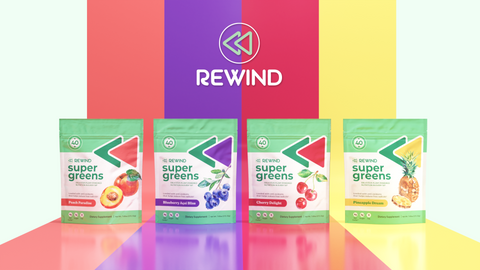
Sweet potatoes are rich in orange plant compounds. Your daily super greens drink brings different plant colors and nutrients. Rewind Greens includes Carrot Powder, which also brings orange plant compounds, along with Lutein, a natural yellow plant compound that collects in the eyes. The formula also brings leafy green ingredients like Spinach Leaf Powder and Organic Broccoli Powder, which are rich in vitamin K, and Acerola Extract for vitamin C.
Orange plant pigments dissolve in fat. Eating sweet potatoes with a small amount of olive oil, butter, or nuts helps your body absorb much more of these orange plant compounds than if you ate the potato plain. The same idea applies to your super greens drink. Having it alongside a breakfast with eggs or avocado, or blending it with nut butter, helps your body take in more of the vitamins and color compounds in the formula.
Reviews of human intervention studies and nutritional composition analyses have examined orange-fleshed sweet potato consumption and health outcomes.
Sweet potatoes are more than a holiday side dish. They bring a natural orange plant compound your body turns into vitamin A, plus potassium, fiber, vitamin C, and B vitamins. Research suggests that eating them may support blood sugar and blood pressure, though long-term evidence is still building. Orange-fleshed varieties are the best choice for the richest orange plant pigments.
Choose firm, unbruised sweet potatoes. Store them in a cool, dry pantry, not the fridge. Bake, roast, boil, or steam them. Skip the marshmallows and let the natural sweetness shine, with warm spices and a little healthy fat to help your body absorb their orange pigments. Pair your sweet potatoes with your daily super greens for a colorful, plant-rich plate all season long.
No. The skin is edible and nutritious. It softens when cooked and adds a little extra fiber. Wash the skin well before cooking. If you prefer to peel, remove the skin after baking while the potato is still warm.
Plain canned sweet potatoes or yams in water are a convenient, nutritious option. Avoid canned varieties packed in heavy syrup, which add a lot of sugar. Drain and rinse them before use.
Sweet potatoes can be part of a healthy diet for most people with diabetes, but portion size and preparation method matter. Boiled sweet potatoes tend to have a milder effect on blood sugar than baked. Talk to your doctor or a dietitian about how sweet potatoes fit into your meal plan.
True yams are a different root vegetable grown in Africa and the Caribbean, with a starchy, dry texture. Most of what is sold as yams in American grocery stores is actually a type of orange sweet potato. If the label says yam and it looks orange inside, it is a sweet potato.
Yes. Cooked, mashed sweet potato adds natural sweetness and a creamy texture to smoothies. Blend it with frozen banana, milk or plant milk, cinnamon, and your super greens powder for a cozy, fall-inspired drink.
Cherry Delight
$39.99

Pineapple Dream
$39.99
Blueberry Acai Bliss
$39.99


