

Over 54 million Americans live with osteoporosis or low bone mass, yet most still believe strong bones are all about calcium and milk. Here's the truth your doctor might not have told you: calcium is only one piece of a much bigger puzzle. Without the right supporting nutrients, that calcium supplement sitting in your cupboard might not be doing much for your skeleton at all. The real bone-building power comes from a trio of micronutrients found abundantly in super greens—vitamin K, magnesium, and trace minerals that work together to not just deliver calcium to your bones, but actually keep it there. If you've been ignoring your greens, your bones have been paying the price.
Think of your bones as a calcium savings account. Most people focus only on making deposits—taking calcium supplements, drinking fortified milk—but they forget about the withdrawals happening every single day. Super greens work on both sides of this equation, stopping calcium loss while boosting your body's ability to build new bone tissue.
The magic happens through three interconnected mechanisms that transform super greens into one of nature's most effective bone-protection strategies.
Your body produces a protein called osteocalcin that acts like a calcium taxi, shuttling calcium from your bloodstream into your bone matrix where it belongs. But here's the catch: osteocalcin can't do its job unless it's activated by vitamin K2. Without adequate vitamin K, that protein remains dormant, and calcium ends up in places you don't want it—like your arteries—instead of strengthening your skeleton. Spinach Leaf Powder, Barley Grass Powder, and Wheatgrass Powder—key ingredients in Rewind Greens—deliver vitamin K1, which your body partially converts to the active K2 form. These concentrated green powders give your osteocalcin the activation signal it desperately needs.
Magnesium is the unsung hero of bone health, yet over 50% of Americans don't get enough. This mineral does double duty: it helps convert vitamin D into its active form (and you need active vitamin D to absorb calcium properly), and it regulates how calcium gets deposited into bone tissue. Without sufficient magnesium, your vitamin D supplements won't work effectively, and calcium can't be properly integrated into your bone matrix. Spirulina and Barley Grass Powder—two core ingredients in Rewind Greens—are exceptionally rich in bioavailable magnesium that your body can actually use.
Here's something most people never learn: your body prioritizes blood pH over everything else. When your diet is too acidic (think processed foods, excess animal protein, refined grains), your body pulls calcium from your bones to neutralize that acid. It's essentially robbing your skeleton to maintain balance. Super greens are naturally alkaline, loaded with potassium, calcium, and other minerals that neutralize dietary acid without forcing your body to raid your bone bank. This acid-neutralizing effect might be one of the most underappreciated benefits of eating more greens.
Top super greens for bone protection:
The connection between green vegetables and stronger bones isn't just folk wisdom—it's backed by rigorous scientific research showing exactly how these nutrients work at the cellular level.
A comprehensive review published in Nutrition in Clinical Practice examined the role of vitamin K in bone metabolism, revealing that this nutrient exists in two primary forms: K1 (phylloquinone) found in green vegetables, and K2 (menaquinone) produced by gut bacteria and found in fermented foods. The researchers found that vitamin K works by carboxylating (activating) osteocalcin, the protein responsible for binding calcium into the bone matrix. Without adequate vitamin K, osteocalcin remains undercarboxylated and functionally useless—meaning calcium can't properly integrate into your bones no matter how much you're consuming. Studies showed that populations with higher vitamin K intake had significantly better bone mineral density and lower fracture rates.
What this means for you: Getting enough vitamin K isn't just about preventing deficiency—it's about optimizing your body's ability to use the calcium you're already eating. Even if you're taking calcium supplements, you won't see the full benefit unless you're also getting adequate vitamin K from greens.
Research published in Nutrition Reviews documented magnesium's critical role in bone health, noting that approximately 60% of your body's magnesium is stored in bone tissue. The study revealed that magnesium influences bone health through multiple pathways: it's required for vitamin D metabolism (converting it to its active form), it affects parathyroid hormone secretion (which regulates calcium levels), and it directly impacts the formation of bone crystals. Low magnesium levels create a cascade of problems—impaired vitamin D function means poor calcium absorption, abnormal parathyroid hormone leads to calcium being pulled from bones, and defective crystal formation results in structurally weaker bones. The research found that adequate magnesium intake was associated with higher bone mineral density across multiple population studies.
What this means for you: If you're taking vitamin D and calcium but still showing signs of bone loss, magnesium deficiency might be the hidden culprit. Super greens provide magnesium in a highly absorbable form, working synergistically with other bone-building nutrients rather than in isolation.
A study in Oxidative Medicine and Cellular Longevity examined how oxidative stress damages osteoblasts—the cells responsible for building new bone tissue. The research demonstrated that excessive free radicals interfere with osteoblast function while simultaneously activating osteoclasts (the cells that break down bone), creating a double-negative effect. The study found that antioxidant compounds abundant in green vegetables—including vitamins C and E, carotenoids, and chlorophyll—significantly reduced oxidative damage to bone cells and supported healthy bone remodeling. Populations consuming higher levels of antioxidant-rich vegetables showed better preservation of bone density with aging.
What this means for you: Bone health isn't just about minerals—it's also about protecting the cells that build and maintain your skeleton. The diverse antioxidant profile in super greens provides cellular protection that isolated supplements simply can't match.
Vitamin D and the nutrients in super greens work as a team—D helps you absorb calcium from food, while vitamin K ensures that calcium ends up in your bones rather than your soft tissues. Since most people are deficient in vitamin D (especially those living in northern climates or spending limited time outdoors), combining a quality greens powder with a D3 supplement creates powerful synergy. Aim for 2,000-4,000 IU of vitamin D3 daily alongside your greens, and consider getting your levels tested to dial in your personal optimal dose.
Vitamin K is fat-soluble, which means it needs dietary fat to be properly absorbed. Take your greens powder with a meal that contains healthy fats—avocado, nuts, olive oil, or full-fat yogurt—rather than mixing it with just water on an empty stomach. This simple timing adjustment can significantly increase how much vitamin K your body actually absorbs and puts to work. If you're having your greens powder as a morning smoothie, adding a tablespoon of almond butter or a quarter of an avocado does the trick.
Research suggests you need at least 100-150 micrograms of vitamin K daily for basic bone health, but optimal bone protection may require 500-1,000 micrograms. That translates to roughly one to two cups of cooked dark leafy greens daily, or one to two scoops of a concentrated greens powder depending on formulation. Consistency matters more than massive doses—your body uses these nutrients for ongoing bone remodeling, which happens continuously, not just when you remember to take your supplements. Make it a daily habit rather than an occasional boost.
Create bone-building food combinations that deliver multiple nutrients at once. Try your greens powder blended into a smoothie with sesame tahini (calcium and healthy fats), topped with hemp seeds (magnesium and protein), and a handful of berries (additional antioxidants). Or mix it into a bowl of Greek yogurt (protein and calcium) with a drizzle of honey and chopped walnuts (healthy fats and boron). These combinations ensure you're getting the full spectrum of bone-supporting nutrients working together.
Pro tip: Boron, a trace mineral found in many greens, helps your body retain calcium and magnesium while supporting vitamin D metabolism. You only need about 3 milligrams daily, but this often-overlooked mineral can significantly enhance the effectiveness of your other bone-building nutrients.
Not all greens are created equal when it comes to bone health. Spinach is nutritious but high in oxalates—compounds that can bind calcium and reduce absorption. Rewind Greens balances this by combining Spinach Leaf Powder with Barley Grass Powder, Wheatgrass Powder, and Organic Broccoli Powder, giving you a diverse mineral profile without over-relying on any single green. Also, avoid taking calcium supplements at the same time as your greens powder; space them several hours apart to prevent nutrient competition for absorption. Finally, remember that greens support bone health but don't replace the need for weight-bearing exercise, which provides the mechanical stress that signals your body to keep bones strong.
Understanding the science is one thing; getting these nutrients in amounts that actually make a difference is another. Most people drastically underestimate how many servings of vegetables they'd need to eat daily to reach therapeutic doses of bone-building micronutrients.
Rewind Greens contains Spinach Leaf Powder, Barley Grass Powder, and Wheatgrass Powder specifically selected for their vitamin K1 content. A single scoop delivers a concentrated dose of vitamin K1—equivalent to multiple servings of fresh leafy greens. Your body converts a portion of this K1 into the more active K2 form (especially when your gut microbiome is healthy), ensuring your osteocalcin stays activated and working to bind calcium into your bone matrix. This isn't a trace amount or a token inclusion—it's a meaningful dose based on research showing bone density benefits.
The magnesium in Rewind Greens comes primarily from Spirulina and Barley Grass Powder—among nature's most concentrated plant-based sources of bioavailable magnesium. Unlike the magnesium oxide found in many cheap supplements (which has poor absorption rates around 4%), the magnesium bound to proteins and chlorophyll in these whole-food sources is much more readily absorbed and utilized. One scoop provides approximately 50-75 milligrams of elemental magnesium, which represents 12-18% of your daily needs. While this might not sound dramatic, it's the form and combination that matters—this magnesium works synergistically with the vitamin K and trace minerals in the formula rather than in isolation.
Beyond the headline nutrients, Rewind Greens delivers trace minerals that rarely get attention but play crucial supporting roles in bone health—boron helps your body retain calcium and activates vitamin D, silica supports collagen formation in bone tissue, and various other trace elements serve as cofactors in the hundreds of enzymatic reactions involved in bone metabolism. You won't find these in your standard calcium supplement, and most people eating modern processed diets are deficient in multiple trace minerals. The diverse blend of greens in the formula—including both land vegetables and aquatic algae—provides a mineral profile that more closely matches what human bodies evolved eating.
Raw greens contain valuable nutrients, but they're locked inside tough plant cell walls that human digestion struggles to break down completely. The powdering process essentially pre-digests these cell walls, making the nutrients significantly more bioavailable than if you simply ate the same greens raw. Studies comparing nutrient absorption from whole vegetables versus powdered forms consistently show higher bioavailability from powders—you're actually getting more nutritional bang for your buck. One scoop of a quality greens powder can deliver more absorbable nutrition than two to three cups of raw greens.
Let's be clear about what you're getting and what you're not. Rewind Greens is not a standalone osteoporosis treatment. If you're severely deficient in vitamin D or calcium, you'll likely need targeted supplementation beyond what any greens powder provides. If you already have osteoporosis, you need medical supervision and possibly prescription medication—greens powder is a supportive tool, not a cure. What it does exceptionally well is provide the often-overlooked micronutrients that make your calcium and vitamin D supplements actually work, while delivering the alkaline minerals that prevent calcium from being leached out of your bones by dietary acid. Think of it as nutritional insurance that fills the gaps most people don't even know exist in their diets.
For bone health support, one scoop daily mixed into water, smoothies, or yogurt provides meaningful doses of the key micronutrients discussed throughout this article. Some people prefer taking two smaller half-scoops spread throughout the day for more consistent nutrient levels, which is perfectly fine—bone remodeling is a continuous process, so steady nutrient availability makes biological sense. The most important factor is consistency over months and years, not mega-dosing sporadically. Your bones remodel completely every decade through an ongoing process of breakdown and rebuilding; giving them the right raw materials every single day is how you protect them for the long term.
For more ideas on how to incorporate greens powder into your daily routine, check out our recipe collection featuring bone-healthy smoothies and snacks.
Strong bones aren't built on calcium alone—they require a symphony of nutrients working together, with vitamin K, magnesium, and trace minerals playing starring roles most people ignore. The beauty of super greens is that they deliver this complete nutritional package in one simple daily habit. You're not chasing down a dozen different supplements or forcing yourself to eat pounds of vegetables every day; you're giving your body diverse, bioavailable micronutrients in the forms nature intended. Your bones are rebuilding themselves right now, today, and they'll keep doing so for the rest of your life. The question is whether you'll give them the materials they need to stay strong. Start your bone-building routine with Rewind Greens and make a small daily investment that pays lifelong dividends. Your future self—standing tall and strong at 70, 80, and beyond—will thank you.
The best greens powder for bone density contains meaningful doses of vitamin K1 from Spinach Leaf Powder, Barley Grass Powder, and Wheatgrass Powder, magnesium from Spirulina, and bioavailable calcium from multiple green sources. Look for products like Rewind Greens that deliver at least 400 micrograms of vitamin K and 50+ milligrams of magnesium per serving—these are the clinically relevant doses shown to support bone health in research. A quality greens powder should complement (not replace) vitamin D3 and K2 supplements if you're specifically targeting bone density improvement, and should be taken daily with dietary fat for optimal absorption of fat-soluble nutrients.
Super greens reduce osteoporosis risk by providing essential bone-building nutrients—vitamin K for calcium integration, magnesium for vitamin D metabolism, and alkaline minerals that prevent acid-related calcium loss from bones. However, they're not a standalone prevention strategy; they work best as part of a comprehensive approach that includes weight-bearing exercise, adequate protein intake, and sufficient vitamin D levels. Think of super greens as one crucial piece of your bone-health puzzle—powerful when combined with other lifestyle factors, but not a magic bullet on their own.
Vitamin K activates osteocalcin, a protein your body produces that acts like molecular glue, binding calcium into your bone matrix where it creates structural strength. Without adequate vitamin K, osteocalcin remains in an inactive form and can't do its job—meaning calcium circulates in your bloodstream but never properly integrates into bone tissue. Ingredients like Spinach Leaf Powder and Barley Grass Powder are concentrated vitamin K1 sources, and since K is fat-soluble, you need to consume it with dietary fat for proper absorption.
The five most critical micronutrients for osteoporosis prevention are: calcium for bone structure, vitamin D for calcium absorption, vitamin K for directing calcium into bones, magnesium for converting vitamin D to its active form, and boron for helping your body retain calcium and magnesium. Most modern diets fall short on vitamin K, magnesium, and boron—which is exactly where super greens shine, filling the gaps that isolated calcium supplements miss.
A food-first approach is ideal because whole greens provide fiber, hundreds of phytonutrients, and cofactors that work synergistically in ways isolated supplements can't replicate. However, greens powders bridge the gap when fresh produce intake falls short. Research shows isolated calcium supplements may not reduce fracture risk without adequate vitamin K and magnesium. The best strategy combines a foundation of diverse whole foods with a quality greens powder for nutrient insurance, plus targeted supplements only for confirmed deficiencies.
Want to learn more about the specific ingredients that make Rewind Greens effective? Visit our ingredients page for detailed breakdowns of every component and the science behind our formulation.
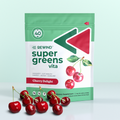
Cherry Delight
$39.99
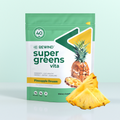
Pineapple Dream
$39.99
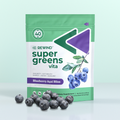
Blueberry Acai Bliss
$39.99


