

Most people looking for better sleep head straight for melatonin, white noise machines, or blackout curtains. Those things can help. But one of the most overlooked drivers of poor sleep is something you interact with three times a day - what you eat. Your nutritional status has a profound and direct impact on how quickly you fall asleep, how deeply you sleep, and how refreshed you feel when you wake up.
The connection between nutrition and sleep runs through the body's most fundamental biochemical systems - neurotransmitter production, stress hormone regulation, inflammation control, and circadian rhythm alignment. A daily healthy greens drink packed with vitamins, minerals, adaptogens, antioxidants, and phytonutrients provides the raw materials your body needs to wind down properly, sleep deeply, and wake up restored. In this blog, we break down exactly how nutrition affects sleep and which specific ingredients in a quality greens powder drink are doing the most work while you rest.
Sleep is not simply the absence of wakefulness. It is an active, highly coordinated biological process driven by neurotransmitters, hormones, and cellular repair mechanisms that require specific nutritional inputs to function properly. Here is a simplified look at the core pathways:
Melatonin, the hormone that signals your brain it is time to sleep, is manufactured from serotonin. Serotonin, in turn, is synthesized from tryptophan, an essential amino acid. This entire conversion chain depends on cofactors including vitamin B6 and magnesium to work efficiently. When your diet is low in these nutrients - which is extremely common in people eating processed or nutrient-poor foods - your melatonin production suffers and sleep onset becomes harder.
GABA (gamma-aminobutyric acid) is the brain's primary inhibitory neurotransmitter - the chemical that quiets neural activity and allows you to relax into sleep. Magnesium acts as a natural GABA agonist, meaning it activates GABA receptors in the brain. Several plant-based compounds, including L-theanine from green tea, also support GABA activity. A greens powder drink that includes these ingredients helps reinforce the neurochemical braking system your brain needs to transition into sleep.
Cortisol and melatonin operate on an inverse cycle. When cortisol is high - as it often is in people under chronic stress or with poorly nourished adrenal glands - melatonin stays suppressed and sleep is disrupted. Adaptogenic herbs like Siberian Ginseng and Astragalus Root, found in comprehensive green drink mixes, help regulate cortisol levels and bring the stress axis back into balance, creating better conditions for melatonin to rise naturally in the evening.
Systemic inflammation is strongly associated with disrupted sleep architecture - less time in deep, restorative slow-wave sleep, more nighttime awakenings, and reduced REM sleep. Diets low in antioxidants and phytonutrients allow oxidative stress and inflammatory signaling to run unchecked. The concentrated plant compounds in a healthy greens powder - including flavonoids, polyphenols, and chlorophyll-rich greens - help reduce this inflammatory burden and support healthier, more continuous sleep.
Let us take a closer look at the specific ingredients in a quality super greens powder and the ways each one contributes to better rest.
L-theanine, the amino acid found in Green Tea Extract, is one of the most well-studied natural compounds for sleep support. It promotes relaxation by increasing GABA activity, boosting alpha brain wave activity (the mental state associated with calm focus), and supporting serotonin and dopamine levels - all without causing sedation or next-day grogginess. Research across multiple clinical trials has shown that L-theanine supplementation improves sleep onset latency, sleep maintenance, sleep efficiency, and feelings of refreshment on waking. Getting it daily through your healthy greens drink means consistent, gentle support for your nighttime wind-down.
Spirulina is one of the most nutrient-dense foods available and is naturally rich in B vitamins - particularly B6 - which are essential cofactors in the conversion of tryptophan to serotonin and serotonin to melatonin. It also provides tryptophan directly, giving your body more of the amino acid raw material needed to build the sleep hormones it depends on. When these building blocks are present in adequate amounts from your daily greens powder drink, your brain's evening chemistry can proceed without bottlenecks.
Both Barley Grass and Wheatgrass are rich in chlorophyll, magnesium, and a broad spectrum of micronutrients that support the body's alkalizing processes. Excess dietary acidity has been linked to restless sleep and muscle cramps. The magnesium and potassium content in these greens helps relax smooth and skeletal muscle, supporting the physical side of winding down. Including them in your green drink powder means your body's mineral status is topped up daily rather than running a slow deficit.
As discussed in the cortisol-sleep section above, chronically elevated cortisol is one of the primary nutritional and physiological barriers to quality sleep. Siberian Ginseng and Astragalus Root both work on the HPA axis to moderate the stress response, helping the body transition from the high-alert state of the day to the calm receptivity needed for sleep. Taking these adaptogens consistently through your healthy greens powder builds a more regulated stress response over time - meaning your cortisol dips more reliably in the evening and your melatonin rises more freely.
Antioxidant-rich ingredients like Blueberry and Acerola Extract help neutralize the free radicals and oxidative stress that degrade sleep quality at the cellular level. The anthocyanins in Blueberry in particular have anti-inflammatory effects that support more continuous, undisturbed sleep. Acerola Extract delivers a natural hit of vitamin C, which supports adrenal health and cortisol clearance. Together, they work as a clean-up crew that helps your body prepare neurologically and biochemically for deep, restorative rest.
The gut-brain axis, explored in depth in our companion blog on mood and the gut, also plays a significant role in sleep. The gut microbiome influences serotonin production, cortisol regulation, and inflammatory signaling - all of which feed directly into sleep quality. Prebiotic fibers like Inulin and Apple Pectin feed the beneficial bacteria that support these gut-brain pathways. A well-fed gut microbiome produces more of the precursors and neurotransmitters your brain needs to sleep well.
The liver processes and clears hormones including cortisol, estrogen, and other metabolic waste during the night. When liver function is compromised, hormonal clearance slows and sleep disruption - particularly in the early morning hours - becomes more common. Milk Thistle's active compound silymarin supports liver cell health and detoxification efficiency, helping ensure that your overnight hormonal reset can proceed without interference.
Here is a look at three peer-reviewed studies and reviews that confirm the relationship between nutritional intake and sleep outcomes:
Most people eating a standard modern diet are running on nutritional deficits that directly undermine sleep. Consider what is commonly missing:
A daily super greens powder addresses all of these gaps in a single, convenient serving. It is not a sleep supplement in the traditional sense - it is a nutritional foundation that removes the barriers preventing your body from sleeping the way it is designed to.
Getting the sleep benefits of your greens drink mix is about consistency and timing. Here are the most effective strategies:
While better nutrition is good for everyone's sleep, some groups are likely to notice the most dramatic improvements from adding a daily greens powder drink to their routine:
Sleep is not just a lifestyle issue. It is a nutritional one. The body's ability to fall asleep, stay asleep, and wake up restored is deeply tied to the availability of specific vitamins, minerals, amino acids, and phytonutrients - most of which are falling short in the average modern diet.
A high-quality super greens powder is not a sleep medication, and it is not meant to replace professional guidance for serious sleep disorders. But as a daily nutritional foundation, it addresses many of the root-level deficiencies that make quality sleep elusive for so many people. The serotonin your brain needs to make melatonin, the magnesium your nervous system needs to activate GABA, the adaptogens your adrenal glands need to stop flooding your evenings with cortisol - they can all be part of a single, clean, daily habit.
So before you reach for another melatonin pill tonight, consider what you put in your glass this morning. Your best night's sleep might start right there.
Yes, though not in the way a sleep medication does. A super greens powder supports sleep by addressing nutritional gaps that commonly undermine it - including low magnesium, insufficient B vitamins, poor gut health, and elevated cortisol. These improvements build over weeks of consistent use and tend to create more natural, sustainable sleep rather than a sedative effect.
Magnesium, B vitamins (especially B6), L-theanine from Green Tea Extract, and tryptophan-supporting nutrients from Spirulina are among the most important. Adaptogenic herbs like Siberian Ginseng also play a key role by regulating cortisol levels, which directly affects melatonin production and sleep onset.
Morning is the better choice for most people. The sleep-supporting compounds in a healthy greens drink - particularly adaptogens and serotonin precursors - need the full day to work their way through your biological systems before they benefit your sleep that night. Morning intake also aligns better with the natural cortisol cycle.
Most people notice subtle improvements in relaxation and sleep quality within 2 to 4 weeks of consistent daily use. More significant changes - including deeper sleep and earlier onset - tend to emerge around weeks 4 to 8 as nutritional levels build and adaptogenic effects accumulate.
A quality super greens powder is generally safe alongside common sleep supplements like melatonin or magnesium glycinate. That said, if you are taking prescription medications for sleep or anxiety, always check with your healthcare provider before adding any new supplement to your routine.
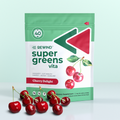
Cherry Delight
$39.99
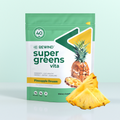
Pineapple Dream
$39.99
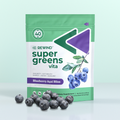
Blueberry Acai Bliss
$39.99


