

Rosacea is a chronic inflammatory skin condition affecting an estimated 415 million people worldwide. It primarily presents on the central face, producing redness, flushing, visible blood vessels, and in some cases, papules and pustules that can be confused with acne. Although rosacea is not dangerous, its effects on quality of life are significant: the visible facial changes affect self-confidence, social engagement, and professional life, and the unpredictability of flares creates a constant background vigilance about triggers that becomes its own source of stress.
Conventional rosacea management focuses on topical treatments, prescription antibiotics, laser procedures, and trigger avoidance. All of these have their place. But research over the past decade has established something that most dermatological conversations about rosacea have been slow to incorporate: the gut microbiome plays a central role in rosacea pathogenesis, and the nutritional environment that shapes gut microbial balance is therefore directly relevant to how the skin of a rosacea patient behaves. This blog explains what rosacea is at the biological level, how the gut-skin axis connects gut health to facial inflammation, and how daily plant nutrition may support the gut-based foundation that rosacea skin management increasingly depends on.
Rosacea is a complex condition involving dysregulated innate immune responses, neurovascular dysfunction, and microbial triggers acting on a background of genetic susceptibility. The visible redness and flushing of rosacea result from dilated blood vessels and an overactive neurovascular response that triggers vascular dilation in response to stimuli that would not produce the same effect in non-rosacea skin. The papules and pustules of papulopustular rosacea involve inflammatory infiltrates of neutrophils and lymphocytes, driven by immune activation rather than the comedone formation that characterizes acne.
The immune trigger for this inflammatory cascade is increasingly understood to involve both the skin microbiome and the gut microbiome. Demodex folliculorum mites, which colonize facial follicles in higher densities in rosacea patients, carry bacteria that trigger toll-like receptor activation and innate immune responses. Helicobacter pylori infection, small intestinal bacterial overgrowth, and gut dysbiosis have all been found at significantly higher rates in rosacea patients compared to matched controls. The connection between the gut and the face is bidirectional: gut dysbiosis drives systemic immune activation that amplifies facial inflammatory responses, and facial microbial changes reflect broader immune dysregulation that originates partly in the gut.
The triggers that reliably worsen rosacea for many patients, alcohol, spicy foods, hot beverages, processed foods high in refined carbohydrates, are precisely the foods most consistently associated with gut dysbiosis and systemic inflammatory activation. Alcohol increases intestinal permeability, allowing bacterial fragments to enter the circulation and trigger immune responses. High-glycemic foods promote the growth of inflammatory gut bacterial populations and worsen systemic inflammation. Hot beverages trigger direct neurovascular responses that overlap with the gut-mediated inflammatory effects. Understanding rosacea triggers through the lens of gut and systemic inflammation makes them far more comprehensible than the arbitrary list of sensitivities they can appear to be.
Research has documented several consistent gastrointestinal associations with rosacea. Small intestinal bacterial overgrowth has been found in studies at substantially higher rates in rosacea patients than in controls, and treatment of SIBO with antibiotics has produced measurable improvement in rosacea symptoms in clinical studies. Inflammatory bowel disease and irritable bowel syndrome are found at higher rates in rosacea populations. Helicobacter pylori infection, associated with chronic gastric inflammation, has been repeatedly identified as a rosacea comorbidity, though the causal relationship remains complex.
The common thread connecting these gastrointestinal conditions to rosacea is systemic immune activation from gut-origin sources. When the gut microbiome is dysbiotic and the intestinal barrier is compromised, bacterial products enter the bloodstream and activate the innate immune system at sites throughout the body, including the skin. The already-hyperreactive innate immune system of rosacea skin responds to these circulating triggers with the vascular and inflammatory responses that produce rosacea flares. Managing the gut environment is therefore not a complementary or holistic addition to rosacea management. It is addressing one of the primary upstream drivers of the condition.
The anti-inflammatory polyphenols in a daily greens formula work through mechanisms that are directly relevant to the rosacea inflammatory picture. Quercetin Dihydrate inhibits the NF-kB inflammatory pathway that drives both gut barrier inflammation and the skin immune response in rosacea. It also inhibits mast cell activation, a specific mechanism implicated in rosacea flushing and neurovascular reactivity. Green Tea Extract EGCG reduces the Toll-like receptor activation that gut-origin bacterial fragments use to trigger immune responses in skin tissue. Resveratrol has documented anti-inflammatory effects in skin tissue and specifically reduces the matrix metalloproteinase activity that contributes to rosacea skin structural changes.
Research on green tea consumption and rosacea has found associations between regular green tea intake and lower rosacea symptom severity, consistent with EGCG's multiple mechanisms of relevance to the condition. The comprehensive antioxidant network of a greens formula, reducing systemic oxidative stress and inflammatory signaling, creates a lower-inflammation systemic environment in which the rosacea-prone skin faces a less aggressive immune backdrop.
Spirulina's phycocyanin has documented anti-inflammatory properties that reduce TNF-alpha and IL-6, two cytokines consistently elevated in rosacea patients and implicated in the inflammatory vascular responses that produce flushing and erythema. Beyond phycocyanin, Spirulina's zinc content is particularly relevant to rosacea management. Zinc has documented anti-inflammatory and sebum-regulatory properties in skin conditions, and zinc deficiency is associated with worsened inflammatory skin conditions including rosacea. Research has found that topical and oral zinc supplementation can reduce rosacea-associated inflammation, and Spirulina's dietary zinc provides this support in food-matrix form.
Spirulina's iron content also addresses the anemia that can worsen flushing by reducing peripheral circulation efficiency. People with both rosacea and iron deficiency frequently experience more severe flushing episodes as the body works harder to compensate for reduced oxygen delivery. Consistent daily iron support from Spirulina addresses this intersection between two conditions that frequently coexist in women of reproductive age.
The gut barrier integrity that prevents bacterial fragments from entering the circulation and triggering systemic immune activation depends on the health of the intestinal epithelium and the tight junction proteins that seal it. The polyphenols in a greens formula support gut barrier function through Nrf2 pathway activation, which increases production of the antioxidant enzymes that protect intestinal epithelial cells from the oxidative stress that drives barrier breakdown. Green Tea Extract EGCG specifically has documented gut barrier-protective properties, reducing the intestinal permeability that allows bacterial endotoxins into the circulation.
The comprehensive plant polyphenol intake from a daily greens drink also feeds the specific gut bacteria that produce butyrate and other short-chain fatty acids most protective of intestinal barrier integrity. Consistent daily polyphenol intake creates a gut microbiome environment in which the populations most protective against the intestinal permeability that drives systemic inflammation in rosacea are continuously enriched.
Research on dietary patterns and rosacea has found consistent patterns: diets high in plant polyphenols, fiber, omega-3 fatty acids, and antioxidant-rich vegetables are associated with less severe rosacea, while diets high in processed foods, refined sugars, alcohol, and inflammatory fats are associated with more frequent and severe flares. The anti-inflammatory dietary pattern most consistently associated with better rosacea outcomes mirrors the Mediterranean dietary approach, with its emphasis on diverse plant foods, olive oil, and minimal processed food.
A daily greens drink contributes the plant polyphenol and antioxidant component of this pattern reliably every morning, regardless of the variability in the rest of the day's eating. For someone managing rosacea through a combination of trigger avoidance, topical treatments, and dietary improvement, the greens drink provides the consistent daily anti-inflammatory plant nutrition baseline that the dietary component of management depends on.
The gut-skin axis in rosacea and the role of dietary and microbiome-targeted approaches is an active and rapidly developing area of dermatological research.
Rosacea is a skin condition that begins, in meaningful part, in the gut. The gut-skin axis connecting gut microbiome dysbiosis, intestinal permeability, systemic immune activation, and facial inflammatory response is one of the most practically important recent findings in rosacea research. It means that caring for your gut is caring for your skin, and that the dietary environment you create through daily nutrition directly influences the immune backdrop from which your rosacea flares or calms.
A daily greens drink contributes to this gut-skin management through multiple simultaneous mechanisms: plant polyphenols reducing systemic and skin inflammation, Green Tea Extract EGCG protecting gut barrier integrity, Spirulina zinc and phycocyanin reducing skin inflammatory cytokines, and the comprehensive antioxidant network reducing the oxidative backdrop that amplifies rosacea reactivity. This is not a replacement for your dermatologist or your topical treatments. It is the nutritional inside layer of a skin management strategy that is increasingly understood to require both inside and outside support.
No. A greens drink is a nutritional supplement that addresses the gut-skin axis and systemic inflammatory dimensions of rosacea. It is not a medical treatment and cannot replace prescribed topical or oral rosacea treatments prescribed by a dermatologist. For people with diagnosed rosacea, nutritional support through a daily greens drink works best as a complement to medical management rather than a substitute for it.
Research on dietary interventions and inflammatory skin conditions generally shows measurable changes in skin inflammatory markers over eight to twelve weeks of consistent dietary improvement. Visible changes in rosacea severity from dietary approaches may take two to three months to become apparent, as gut microbiome composition changes gradually and the downstream skin inflammatory tone shifts accordingly. Consistent daily plant nutrition over months is the minimum required to evaluate whether the gut-skin nutritional approach is producing benefit.
A comprehensive greens powder with ingredients primarily derived from green plants, algae, and botanical extracts is generally anti-inflammatory and well-tolerated by rosacea patients. The anti-inflammatory polyphenols and gut-supportive compounds are consistent with the dietary directions most research identifies as beneficial for rosacea. Anyone with specific sensitivities to particular botanical ingredients should review the formula's ingredient list with their dermatologist before beginning.
Yes. Hot beverages are a recognized trigger for rosacea flushing, likely through neurovascular mechanisms that are direct and acute rather than microbiome-mediated. Always take your greens drink in cold or room-temperature water rather than hot water to avoid this direct flushing trigger. Cold water also preserves the heat-sensitive Vitamin C from Acerola Extract that supports gut barrier function and skin antioxidant status.
Research suggests that the gut-skin axis is relevant to rosacea in a significant proportion of patients, but rosacea is a heterogeneous condition with multiple subtypes and contributing mechanisms. Not every person with rosacea will have measurable gut dysbiosis as a primary driver, and the magnitude of gut-mediated contribution varies among individuals. However, given that the gut-skin connection is well-supported in research and that dietary anti-inflammatory approaches are safe and broadly beneficial, addressing gut health through daily plant nutrition is a reasonable strategy regardless of whether gut dysbiosis is the primary rosacea driver for any particular individual.
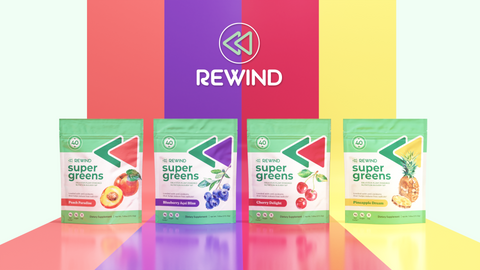
Cherry Delight
$39.99
Pineapple Dream
$39.99
Blueberry Acai Bliss
$39.99


