

Migraine is the third most prevalent illness in the world, affecting approximately 15 percent of the global population and an estimated 39 million people in the United States alone. It is far more than a bad headache. A migraine attack is a neurological event that can last between 4 and 72 hours, producing unilateral throbbing pain, nausea, vomiting, and extreme sensitivity to light and sound that renders sufferers incapacitated for the duration. The economic and quality-of-life burden of migraine is enormous, and for the significant proportion of sufferers whose attacks are frequent, the search for safe and sustainable preventive approaches is urgent.
Nutritional factors in migraine are more substantial than most migraine conversations acknowledge. Two specific nutrients, magnesium and riboflavin (Vitamin B2), have been evaluated in multiple clinical trials for migraine prevention, and both have demonstrated meaningful reduction in attack frequency with consistent use. The mechanisms by which these nutrients influence migraine biology are well-understood, and they overlap meaningfully with the nutrient profile of a daily greens powder. This blog explores what migraine is biologically, how nutritional deficiencies contribute to migraine susceptibility, and which specific ingredients in a greens formula address the nutritional dimension of migraine biology.
Migraine involves a complex cascade of neurological and vascular events that researchers have increasingly understood over the past three decades. The prodrome, which can precede the headache by hours to days, involves hypothalamic activation and changes in dopamine signaling that produce the yawning, food cravings, mood changes, and fatigue that many migraineurs recognize as early warning signs. The aura that precedes some migraines involves a wave of cortical spreading depression, a slow wave of neuronal excitation followed by prolonged suppression that moves across the cortex and produces the visual, sensory, or language disturbances of migraine aura.
The headache phase involves activation of the trigeminovascular system, the network of pain-sensing fibers innervating the meningeal blood vessels. These fibers release inflammatory neuropeptides including calcitonin gene-related peptide (CGRP) that dilate meningeal vessels and sensitize pain receptors, producing the intense, throbbing, position-sensitive headache characteristic of migraine. At the neurological level, migraine represents a state of hyperexcitability in which normal stimuli trigger an abnormal pain response, and this hyperexcitability is influenced by genetic factors, hormonal changes, environmental triggers, and critically, nutritional status.
One of the most important insights from migraine research is the central role of mitochondrial dysfunction in migraine susceptibility. Mitochondria are the cellular energy-producing organelles that power the energy-intensive processes of neuronal function. Research has found that migraineurs have measurably lower mitochondrial energy production efficiency compared to non-migraineurs, which leaves their neurons with reduced capacity to manage the metabolic demands of neuronal activity and greater vulnerability to the energy-failure cascade that triggers cortical spreading depression.
This mitochondrial energy hypothesis of migraine explains why several nutritional compounds that support mitochondrial function, specifically riboflavin (Vitamin B2), which is required as a cofactor for mitochondrial energy chain enzymes, and magnesium, which is required for ATP synthesis, have shown clinical efficacy in migraine prevention. By supporting the mitochondrial energy production capacity of migrainous neurons, these nutrients may raise the threshold at which the energy-failure cascade that triggers migraine is reached.
Magnesium plays several roles that are directly relevant to migraine pathophysiology. It stabilizes neuronal membranes and reduces the excitability of neurons, helping maintain the electrical threshold above which cortical spreading depression is triggered. It is required for ATP synthesis, supporting the mitochondrial energy production that maintains neuronal homeostasis. It inhibits the release of substance P, a pain-signaling neuropeptide, and modulates NMDA glutamate receptors that drive neuronal excitation. And it supports the function of nitric oxide synthesis, which regulates cerebrovascular tone.
Research has consistently found that magnesium levels are measurably lower in migraineurs compared to controls, both in serum and in red blood cells, and that magnesium levels are particularly low during acute migraine attacks. Multiple clinical trials of magnesium supplementation for migraine prevention have found reductions in attack frequency of 28 to 41 percent compared to placebo over 12 weeks of supplementation. The American Headache Society, the Canadian Headache Society, and the European Federation of Neurological Societies all recommend magnesium as a first-line nutraceutical for migraine prevention with established evidence.
The Barley Grass Powder and Wheatgrass Powder in a daily greens formula provide consistent daily food-matrix magnesium from chlorophyll-bound sources. This daily magnesium baseline is precisely what migraine nutritional management requires: not sporadic high-dose supplementation but the consistent daily maintenance of magnesium reserves at a level that keeps neuronal excitability appropriately modulated.
Riboflavin, Vitamin B2, is a required component of the flavin mononucleotide (FMN) and flavin adenine dinucleotide (FAD) coenzymes that are essential for the mitochondrial electron transport chain. Without adequate riboflavin, the efficiency of mitochondrial energy production is impaired, and this impairment is specifically relevant to the mitochondrial dysfunction that characterizes migrainous neurons. Riboflavin supplementation at doses used in clinical trials has consistently demonstrated reduction in migraine attack frequency, with a systematic review and meta-analysis confirming significant effects on attack frequency, migraine days, and analgesic use.
Spirulina contains Vitamin B2 (riboflavin) as part of its comprehensive B-vitamin profile. While the riboflavin content of a standard greens powder serving is lower than the pharmacological doses used in the migraine prevention clinical trials, consistent daily riboflavin support from Spirulina contributes to the mitochondrial energy efficiency baseline that migraine prevention depends on. In the context of people who are riboflavin-insufficient from dietary gaps, this daily contribution may be particularly relevant to migraine frequency.
The inflammatory dimension of migraine, involving CGRP release, neurogenic inflammation, and trigeminovascular sensitization, is a legitimate target for anti-inflammatory nutrition. Quercetin Dihydrate has documented inhibitory effects on the inflammatory enzymes and cytokines involved in neurogenic inflammation, and has shown preliminary evidence for reduction of headache-related symptoms in research. Green Tea Extract EGCG reduces neuroinflammatory signaling through NF-kB inhibition and has neuroprotective properties relevant to the recurring neurological stress of migraine attacks. The comprehensive antioxidant network of the greens formula reduces the oxidative stress that sensitizes pain pathways and amplifies neuroinflammatory responses between and during attacks.
Ginkgo Biloba Powder's primary mechanism, supporting cerebrovascular blood flow and cerebral oxygenation, is directly relevant to one of the proposed migraine mechanisms: the energy failure and blood flow dysregulation in neuronal tissue that precedes and accompanies cortical spreading depression. Ginkgo's vasodilatory and cerebral blood flow-supporting properties may help maintain the cerebrovascular environment that reduces the frequency of the energy-failure triggers that initiate migraine cascades. Research on Ginkgo and headache has found some evidence for benefit in vestibular migraine specifically, with vasodilatory effects on cerebral circulation as the proposed mechanism.
Blood glucose instability is one of the most consistent migraine triggers. Skipped meals, high-glycemic meals followed by glucose crashes, and prolonged fasting all create blood glucose variability that triggers hypothalamic neurological changes associated with migraine initiation in susceptible individuals. A morning greens drink taken alongside a protein and fat-containing breakfast creates the most stable blood glucose foundation for the day, reducing the glucose-instability trigger mechanism that makes skipped or inadequate breakfasts a common migraine precipitant.
The Green Tea Extract in a greens drink provides a moderate, catechin-buffered caffeine source that supports stable morning alertness without the spike-and-crash glucose curve of high-sugar breakfast choices. Stable morning energy from a balanced breakfast plus greens drink reduces one of the most modifiable nutritional migraine triggers in a practical daily format.
The nutritional prevention evidence for migraine is stronger than most people realize, with specific clinical guidelines supporting magnesium and riboflavin as first-line nutraceutical preventive approaches.
Migraine has a nutritional dimension that is significantly more evidence-based and clinically recognized than most sufferers realize. Magnesium deficiency increases neuronal excitability, reduces the threshold for cortical spreading depression, and has been consistently found at lower levels in migraineurs. Magnesium supplementation has been recommended by multiple headache societies as a first-line nutraceutical preventive approach. Riboflavin supports the mitochondrial energy production that migrainous neurons are specifically deficient in, and clinical trials show consistent reductions in attack frequency. Both nutrients are present in a daily greens drink.
A daily greens drink is not a migraine treatment, and anyone with frequent or severe migraines should work with a neurologist or headache specialist for appropriate management. But as a daily nutritional foundation that addresses two of the most established nutritional factors in migraine susceptibility, consistent greens use is one of the most practical evidence-based nutritional investments available for people managing migraine frequency. Thirty seconds every morning, every day. The biology of prevention does not work on the day of the headache. It works on all the days before it.
No. Prescription migraine medications including preventives and acute treatments are appropriate for people with clinically significant migraine burden and should be managed with a neurologist or headache specialist. A greens drink addresses the nutritional dimension of migraine susceptibility as a supportive daily habit alongside medical care, not as a substitute for it. Some people with mild to moderate migraine frequency may find that optimizing their nutritional status reduces attack frequency meaningfully, but this should be discussed with a healthcare provider.
Clinical trials on magnesium for migraine prevention typically show measurable reductions in attack frequency at 8 to 12 weeks of consistent daily supplementation. The mechanism, raising neuronal excitation thresholds through improved NMDA receptor modulation and membrane stabilization, requires sustained daily magnesium supplementation rather than sporadic high doses to produce meaningful clinical change. Daily consistency with greens for at least 2 to 3 months is the appropriate timeframe to evaluate benefit.
Common dietary migraine triggers documented in research include alcohol particularly red wine and beer, foods containing tyramine such as aged cheeses and cured meats, caffeine withdrawal, skipped meals producing blood glucose drops, and excess caffeine. Blood glucose instability from irregular eating patterns is one of the most consistently modifiable nutritional triggers. A morning protein and fat-containing breakfast alongside greens, with consistent meal timing throughout the day, directly addresses the most common dietary trigger mechanisms.
Not all migraineurs have clinically measurable magnesium deficiency, but the research suggests that a significant proportion do, and that even low-normal magnesium status may be associated with greater migraine susceptibility in predisposed individuals. The therapeutic trials showing migraine benefit were conducted in general migraine populations rather than specifically in magnesium-deficient individuals, suggesting that optimizing magnesium status within the normal range may be beneficial even without frank deficiency.
Key nutritional migraine management strategies include maintaining consistent meal timing to avoid blood glucose drops, ensuring adequate hydration as dehydration is a recognized trigger, avoiding personal trigger foods identified through a headache diary, limiting caffeine to a consistent daily amount to avoid withdrawal triggers, and ensuring adequate riboflavin intake alongside magnesium. A morning greens drink alongside a protein-containing breakfast, consistent meal timing through the day, and adequate hydration covers the practical nutritional migraine management priorities that evidence supports.

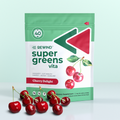
Cherry Delight
$39.99

Pineapple Dream
$39.99
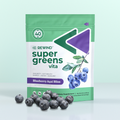
Blueberry Acai Bliss
$39.99


