

The clocks have fallen back, the evenings are dark by dinnertime, and the air outside has a real bite to it. For a lot of people, this is the time of year when the walking shoes go in the closet and the couch starts calling. It is completely normal to move less when it is cold, wet, and dark. But your body still needs movement every day, maybe even more during the long winter months.
The good news is that you do not need a gym membership, fancy equipment, or nice weather to stay active. A small space in your living room and a little bit of time is enough. This guide explains why we tend to move less in winter, why it matters, and how to build a simple indoor routine you can actually stick with. You will also see how a daily super greens drink fits into an active winter routine.
Yes. Research across many countries has found that people tend to be less active in winter than in summer. Cold temperatures, rain, snow, wind, and shorter days all make it harder to get outside. In one study of women in the southeastern United States, people were less active in winter than in summer, spring, and fall, and the drop was even bigger on weekends. Other studies using activity trackers have found the same pattern.
A few weeks of less movement might not seem like a big deal. But winter lasts several months. Over that time, muscles can get weaker, joints can feel stiffer, energy can drop, and many people notice their mood and sleep suffer too. Holiday meals and treats add up at the same time. Keeping your body moving through the colder months helps you feel better day to day and makes it much easier to jump back into outdoor activities when spring comes.
Regular movement helps keep your heart and lungs strong, supports healthy blood sugar and blood pressure, keeps your joints moving, and helps you sleep better. It also lifts your mood and eases stress, which many people need during the darker months. You do not need long or hard workouts to get these benefits. Short, regular bouts of activity add up.
Strength training means working your muscles against some kind of resistance, like your own body weight, resistance bands, or weights. It keeps your muscles and bones strong, helps your balance, and makes everyday tasks like carrying groceries and climbing stairs easier. A large review of studies found that people who did muscle-strengthening activities had a 10 to 17 percent lower risk of dying early and of developing heart disease, diabetes, and some cancers. The biggest benefit showed up at just 30 to 60 minutes a week. That is only about 10 to 20 minutes, three times a week.
Pick a spot with enough room to stretch your arms out and take a big step in any direction. Wear comfortable clothes and supportive shoes. Clear away rugs or clutter you could trip on. Start with a 5-minute warm-up of marching in place, arm circles, and gentle side steps to get your blood flowing.
Try this simple circuit. Do each move for 30 to 45 seconds, then rest for 15 to 30 seconds before the next one. Squats: stand with feet hip-width apart and sit back like you are lowering into a chair, then stand up. Wall push-ups: place your hands on a wall at shoulder height and bend your elbows to bring your chest toward the wall, then push back. Step-ups: step up and down on the bottom stair, switching legs. Glute bridges: lie on your back with knees bent and lift your hips toward the ceiling. Bird dogs: on hands and knees, reach one arm forward and the opposite leg back, then switch. Marching in place with high knees. Go through the whole circuit two or three times. Finish with a few minutes of gentle stretching.
As the routine gets easier, add more rounds, work for longer, or rest for less time. Move from wall push-ups to push-ups on a kitchen counter, then on your knees on the floor. Hold a heavy can or a full water bottle in each hand during squats. Add lunges, side lunges, and planks. Resistance bands are cheap, take up almost no space, and are a great next step.
Cardio means any activity that gets your heart rate up and makes you breathe a little harder. Put on your favorite music and dance. Climb your stairs a few times. Do jumping jacks or a low-impact version where you step one foot out at a time. Follow along with a free walking or dance workout video online. March in place while you watch TV. If you have a stationary bike or treadmill, now is the perfect time to use it.
You can still walk. Many shopping malls open early for walkers. Big stores, museums, and indoor tracks at community centers are other options. Walking laps around your home, your office building, or a parking garage on a rainy day also counts. On dry days, bundle up in layers and get outside during daylight hours for a short walk. Fresh air and daylight can help your mood too.
Short bursts of movement count. Try exercise snacks: a minute or two of activity sprinkled through your day. Do 10 squats while waiting for the microwave. Climb the stairs twice after lunch. Do calf raises while brushing your teeth. Take a quick walk around the house during TV commercials. These mini-moves add up and also break up long stretches of sitting.
Schedule your workouts like appointments. Lay out your workout clothes the night before. Find a friend or family member to work out with, in person or on a video call. Try a free online class. Track your workouts on a calendar or app so you can see your streak. And remember that you will almost always feel better after you move, even if you did not feel like starting.
Always warm up before you exercise and cool down after. Start slowly and build up over time. Stop if you feel sharp pain, dizziness, chest pain, or shortness of breath that does not go away. If you have a heart condition, joint problems, or other health concerns, or if you are new to exercise, talk to your doctor before starting a new routine.
Your body needs good fuel to stay active, especially when it is cold. Eat regular meals with protein, whole grains, fruits, and vegetables. Protein helps your muscles recover and grow stronger after strength training. Drink water before and after workouts, even indoors, since dry indoor heat can leave you thirstier than you realize.
A daily super greens drink adds a base of plant nutrition to your active routine. Spirulina brings iron and B vitamins, which your body uses to carry oxygen and turn food into energy. Barley Grass Powder and Wheatgrass Powder add magnesium, which helps your muscles work and relax. Acerola Extract adds vitamin C. Siberian Ginseng and Astragalus Root are plants that have long been used to help the body handle stress. Mix your super greens into a big glass of water in the morning or after a workout, and you get a head start on hydration too.
Cohort meta-analyses and studies using objective activity measurement have examined muscle-strengthening activity and seasonal variation in physical activity.
It is natural to move less when the days get short and the weather turns cold. Research shows that most people are less active in winter. But staying active indoors is easier than you might think. A small space, your own body weight, and 20 to 30 minutes a few times a week can keep your muscles, heart, joints, and mood in good shape. Research links just 30 to 60 minutes a week of strength training with a lower risk of serious disease.
Try the simple bodyweight circuit in this guide, add fun cardio like dancing or stair climbing, and sprinkle exercise snacks through your day. Schedule your workouts, find a buddy, and track your progress. Fuel your body with balanced meals, plenty of water, and your daily super greens drink. Stay moving this winter, and you will head into spring feeling strong.
A good goal for most adults is about 150 minutes of moderate activity a week, like brisk walking or dancing, plus strength training at least two days a week. If that sounds like a lot, start smaller. Even 10 minutes a day is a great beginning.
No. Your own body weight is enough to build strength, especially if you are just starting out. Squats, push-ups against a wall or counter, lunges, step-ups, and glute bridges all work your major muscles. Resistance bands and light dumbbells can add variety later.
Yes. Most bodyweight exercises need only enough room to lie down and stretch out your arms. Low-impact moves like marching, squats, and step-ups are also quiet, so you will not bother your neighbors.
The best time is whatever time you will stick with. Some people like a quick morning workout to wake up. Others prefer a midday walk to get daylight. If you work out in the evening, try to finish an hour or two before bed so you can wind down.
Many people drink their super greens in the morning as part of their daily routine. Others like to mix it into a post-workout smoothie with fruit and protein. Either way works. Consistency matters more than timing.


Cherry Delight
$39.99

Pineapple Dream
$39.99
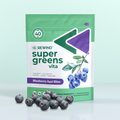
Blueberry Acai Bliss
$39.99


