by Erika Albertini, PT, DPT February 26, 2026 8 min read

Natural Menopause Support: How Greens Powders Help You Feel Like Yourself Again

Menopause is a natural life stage, but that doesn’t mean it feels easy. Many women describe this time as confusing, frustrating, and even isolating. One day you feel like yourself, and the next you’re dealing with hot flashes, brain fog, mood swings, sleep struggles, and sudden changes in digestion or energy.

If this sounds familiar, you are not alone.

While menopause is a normal biological transition, the symptoms can affect daily life in very real ways. The good news? Small daily habits can make a meaningful difference. One simple habit many women are adding to their routine is drinking a super greens powder.

A healthy greens drink isn’t a magic cure. But it can support your body during this hormonal shift, helping you feel more balanced, energized, and like yourself again.

Why Menopause Feels So Different

Menopause usually begins between ages 45–55. During this time, estrogen and progesterone levels decline. These hormonal changes affect nearly every system in your body:

  • Metabolism slows
  • Sleep patterns change
  • Stress response increases
  • Bone and heart health become more important
  • Gut health becomes more sensitive

This is why many women suddenly feel like their old routines no longer work.

You might notice:

  • You feel tired even after sleeping
  • Weight is harder to manage
  • Mood feels unpredictable
  • Digestion becomes sluggish
  • Skin and hair change
  • Brain fog appears

This stage isn’t about “fixing” your body. It’s about supporting it differently. That’s where drinking greens daily can help.

Why Nutrition Matters More During Menopause

Menopause isn’t just about hormones - it’s a whole-body transition. As estrogen and progesterone decline, your metabolism, digestion, stress response, and immune system all begin to change. This means the nutrients that once felt “optional” suddenly become essential.

During this stage, your body becomes more sensitive to what you eat, how often you eat, and how consistently you nourish it. The same habits that worked in your 20s and 30s may not feel effective anymore. That’s because your body now needs more support from nutrition to maintain balance.

Let’s break down what changes and why nutrient needs increase.

  • Your Body Needs More Antioxidants: Estrogen has natural antioxidant properties. When estrogen levels drop, your body loses part of its built-in protection against oxidative stress. During menopause, oxidative stress can increase, which is why antioxidant-rich foods become especially important. The challenge is that many women don’t consistently eat enough colorful produce every day.
  • Fiber Becomes a Daily Priority: Hormonal shifts can slow digestion and affect gut bacteria. Fiber helps regulate digestion, stabilize blood sugar, and feed beneficial gut bacteria. It also helps you feel fuller longer, which becomes important as metabolism slows. But most adults don’t get enough fiber and menopause often makes this gap bigger. When digestion becomes sensitive, raw vegetables may feel harder to tolerate.
  • Micronutrient Needs Increase: Micronutrients are vitamins and minerals your body needs in small amounts. During menopause, your body becomes less efficient at absorbing certain nutrients. At the same time, your need for them increases. This is why many women suddenly feel tired or “off” even when their diet hasn’t changed much.
  • Stress Support Becomes Essential: Hormonal changes make the stress response more sensitive. Many women notice they feel overwhelmed more easily or recover from stress more slowly. Chronic stress can worsen menopause symptoms. Nutrition plays a major role in helping the body manage stress. Plant compounds, antioxidants, and adaptogenic ingredients can help support resilience and balance.
  • Immune Support Needs Extra Attention: Estrogen also plays a role in immune regulation. When levels drop, the immune system may become more vulnerable. This doesn’t mean you’ll get sick constantly but it does mean consistent nutrition becomes even more important for maintaining resilience and recovery.

Why Many Women Eat Fewer Vegetables During Menopause

Here’s the surprising part: even though nutrient needs increase, many women actually eat fewer vegetables during menopause.

Common reasons include:

  • Busy schedules and caregiving responsibilities
  • Appetite changes
  • Digestive sensitivity to raw vegetables
  • Feeling too tired to cook
  • Changing taste preferences

This creates a gap between what the body needs and what it receives.

How Greens Powders Support Menopause Naturally

1. Supporting Energy Without Caffeine Crashes

Fatigue is one of the most common menopause symptoms.

Hormonal changes affect:

    • Sleep quality
    • Blood sugar balance
    • Stress hormones

A daily greens drink supports energy through nutrients instead of stimulants.

Helpful ingredients:

    • Barley grass & Wheatgrass → natural chlorophyll and minerals
    • Green Tea → gentle plant-based caffeine + antioxidants
    • Carrot & Broccoli → B vitamins and phytonutrients

Instead of relying on coffee, a green drink powder supports energy at the cellular level. Many women report feeling steady energy rather than spikes and crashes.

2. Helping With Hormone Detox Pathways

Your liver plays a major role in hormone metabolism. During menopause, supporting detox pathways becomes more important.

Key ingredients for liver support:

    • Milk thistle
    • Broccoli
    • Grapeseed extract
    • Resveratrol

These ingredients support the body’s natural detoxification processes. A daily greens powder drink helps provide the nutrients your liver needs to process hormones efficiently.

This may support:

    • Reduced bloating
    • Improved skin
    • Better energy balance

3. Gut Health & Bloating Support

Digestive changes are incredibly common during menopause.

You might notice:

    • Increased bloating
    • Slower digestion
    • Food sensitivities

Hormones influence gut bacteria. When hormones shift, the gut often shifts too.

Gut-friendly ingredients:

    • Inulin → prebiotic fiber for beneficial bacteria
    • Apple Pectin → supports digestion and satiety
    • Papaya & Pineapple → digestive enzymes

A daily greens drink mix helps nourish gut bacteria and support digestion.

This can help reduce:

    • Bloating
    • Constipation
    • Irregular digestion

4. Mood, Brain Fog & Mental Clarity

Many women describe menopause as feeling mentally “foggy.” This happens because estrogen supports brain function, mood, and memory.

Brain-supporting ingredients:

    • Gingko Biloba → circulation and cognitive support
    • Siberian Ginseng → stress resilience<
    • Green Tea → L-theanine + antioxidants
    • Bilberry & Blueberry → brain-supporting flavonoids

A green powder drink supports brain health with antioxidants and adaptogens.

Over time, this can support:

    • Focus
    • Memory
    • Mood balance

5. Supporting Skin, Hair & Aging Gracefully

Declining estrogen affects collagen production, which can impact skin and hair. Antioxidants help protect cells from oxidative stress.

Skin-supporting nutrients:

    • Acerola → vitamin C for collagen production
    • Strawberry & Blueberry → antioxidants
    • Lutein → supports skin and eye health

A daily healthy greens drink helps nourish your body from the inside out.

6. Immune Support During Hormonal Change

Menopause can temporarily weaken immune resilience due to hormonal shifts.

Immune-support ingredients:

    • Astragalus root
    • Green tea extract
    • Quercetin dihydrate
    • Spinach and broccoli

A consistent greens powder drink supports daily immune defenses.

The Science Behind Greens Powders & Menopause Support

Below are peer-reviewed research links supporting the key ingredients discussed.

1. Broccoli & Immunity

  • Broccoli: A Multi‑Faceted Vegetable for Health - The article is a detailed review of broccoli’s nutritional and medicinal properties. It highlights broccoli as a rich source of vitamins, minerals, and bioactive compounds, and explores its antioxidant, antimicrobial, and anti‑inflammatory effects. In simple terms, the paper shows how broccoli supports overall wellness, from boosting immunity to protecting against chronic diseases.

2. Milk Thistle & Liver Health

  • Impact of Silymarin Supplements on Liver Enzyme Levels - The article is a comprehensive overview of milk thistle (Silybum marianum) and its health benefits. It explains the plant’s active compound, silymarin, which has antioxidant, anti‑inflammatory, and liver‑protective properties. In simple terms, the paper highlights milk thistle as a traditional herb with modern scientific support for liver health, detoxification, and overall wellness

3. Green Tea & Metabolic Health

  • The Association Between Green Tea Intake and Metabolic Syndrome - The article is a comprehensive review of green tea, its bioactive compounds, and their effects on human health. It highlights green tea’s rich content of catechins (especially EGCG), which provide antioxidant, anti‑inflammatory, and anticancer properties, while also supporting heart health and metabolism.

4. Prebiotic Fiber & Gut Health (Inulin)

  • Fiber and Prebiotics: Mechanisms and Health Benefits - The article is a review of inulin, a type of dietary fiber found in plants like chicory root. It explains how inulin supports gut health by acting as a prebiotic, feeding beneficial bacteria in the digestive system. The paper highlights inulin as a natural ingredient that can improve digestion, boost immunity, and help regulate metabolism, making it valuable in both nutrition and functional foods.

5. Resveratrol & Healthy Aging

  • Resveratrol: A Double-Edged Sword in Health Benefits - The article is a scientific review of resveratrol, a natural compound found in foods like grapes, red wine, and peanuts. It explores resveratrol’s potential benefits, including antioxidant, anti-inflammatory, and heart-protective effects, as well as its possible role in cancer prevention and longevity.

6. Ginkgo Biloba & Cognitive Function

7. Siberian Ginseng & Stress Support

How to Use Greens Powders for Menopause Support

  • Daily Routine: Mix one scoop of your favorite greens drink mix into water or a smoothie each morning.
  • Consistency Matters: Benefits build over time, so regular use is key.
  • Pair with Lifestyle: Combine with balanced nutrition, exercise, and stress management for best results.
  • Hydration: Drinking greens also helps you stay hydrated, which is crucial for managing hot flashes and fatigue.

Realistic Expectations

A super greens powder is not a medication.But over time, many women notice:

  • Better energy
  • Improved digestion
  • Fewer cravings
  • Clearer skin
  • Better mood balance

Small daily habits create long-term change.

Takeaway

Menopause is a natural transition, but it often comes with changes that make old routines feel less effective. As hormones shift, the body needs more consistent nutrition, stress support, and daily care. Building simple habits becomes more important than chasing perfection, and small changes can make a meaningful difference in how you feel each day.

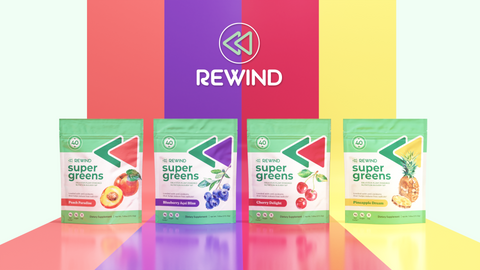
Adding a daily greens drink like Rewind Greenscan be one of those small but powerful habits. A greens powder drink helps fill common nutrient gaps, supports digestion and steady energy, and provides antioxidants and immune support. While it isn’t a cure or replacement for a healthy lifestyle, it can serve as a reliable nutritional foundation during this stage.

Menopause isn’t about losing who you are, it’s about supporting your body in new ways. With consistent habits and the right daily support, many women find they can feel more balanced, energized, and confident again.

Frequently Asked Questions (FAQ)

1. Can a greens powder really help with menopause symptoms?

A greens drink cannot replace medical treatment, but it can support the body during hormonal changes. Many menopause symptoms are linked to nutrient gaps, inflammation, stress, and gut health. A daily green powder drink provides fiber, antioxidants, and plant compounds that help support energy, digestion, mood, and immune function. Over time, these small nutritional supports can make menopause feel more manageable.

2. How long does it take to notice benefits from drinking greens?

Most people notice subtle changes within 2–4 weeks of consistent use. Digestive improvements may appear first, followed by energy and mood support. Because a greens powder drink works by nourishing the body gradually, long-term consistency is key.

3. Is it safe to drink greens every day during menopause?

For most people, yes. A daily healthy greens drink is simply concentrated fruits, vegetables, fibers, and plant extracts. If you have a medical condition or take medication, consult your healthcare provider before adding any supplement.

4. Can greens powders replace vegetables?

No. A greens drink mix should complement a balanced diet, not replace whole foods. Think of it as nutritional insurance — a convenient way to support daily intake when life gets busy.

5. What is the best time to drink greens?

Morning is ideal because nutrients support energy and digestion throughout the day. However, the best time is the time you will stay consistent. Consistency matters more than timing.

greens

An Item Was Added To Cart!

Cherry Delight Vita

$49.99

Pineapple Dream Vita

$49.99

Blueberry Acai Bliss Vita

$49.99