

Mushrooms are one of the most unusual foods in the grocery store. They are not fruits, not vegetables, and not even plants. They belong to their own group of living things called fungi. Yet they show up in the produce aisle, cook like vegetables, and add a rich, savory flavor to everything from omelets to pasta sauce.
Mushrooms are low in calories but bring a surprising mix of nutrients, including B vitamins, minerals, and fiber. Some mushrooms can even provide vitamin D, which is rare for a food that does not come from an animal. This guide covers the most common types of mushrooms, what makes them good for you, how to buy, store, and cook them, and how they fit alongside a daily super greens drink in a healthy fall and winter routine.
White button mushrooms are the most common in American stores. They have a mild flavor and work in almost any dish. Cremini mushrooms, sometimes called baby bellas, are the same type as button mushrooms but older and browner, with a deeper flavor. Portobello mushrooms are the fully grown version, with big, meaty caps that are great for grilling. Shiitake mushrooms have a smoky, rich taste and are popular in Asian cooking. Oyster mushrooms are soft and delicate with a mild flavor. Maitake, also called hen of the woods, have frilly, layered caps and an earthy taste.
Mushrooms are full of natural compounds that create umami, the rich, meaty, savory taste also found in tomatoes, cheese, and broth. That is why mushrooms can make soups, sauces, and stir-fries taste deeper and more satisfying. Because of this savory flavor, mushrooms can also help you use less salt in a dish.
Mushrooms are about 90 percent water and very low in calories. A cup of raw white mushrooms has only about 15 calories. But they still bring helpful nutrients. Mushrooms are good sources of B vitamins, including riboflavin, niacin, and pantothenic acid, which help your body turn food into energy. They provide minerals like selenium, copper, and potassium. They also bring a little fiber and protein, and they contain natural compounds that help protect your cells.
Yes, under the right conditions. Like your skin, mushrooms can make vitamin D when they are exposed to ultraviolet light, either from the sun or from special lamps. Researchers have found that mushrooms exposed to UV light can be a meaningful source of vitamin D. In fact, they are one of the only foods that do not come from animals and are not fortified that can provide a good amount of vitamin D in a single serving. This makes them especially helpful for vegetarians and vegans, and for anyone during the darker winter months.
Most mushrooms grown indoors in the dark have very little vitamin D. Look for packages labeled high in vitamin D or UV-treated. Check the Nutrition Facts label to see how much vitamin D is in a serving. Some people also set sliced fresh mushrooms in direct midday sun for a while before cooking, since research suggests sliced mushrooms can make vitamin D when exposed to sunlight. Vitamin D in mushrooms may drop somewhat with long storage and cooking, so eat them fresh when you can.
Studies on mushrooms and long-term health are still growing. A large study of American adults found that people who ate mushrooms had a lower risk of dying during the study period than people who did not. A review of many studies found a possible link between eating mushrooms and a lower risk of death overall, though it did not find a clear link with heart disease, stroke, or type 2 diabetes. These are promising signs, but more research is needed. For now, mushrooms are a tasty, low-calorie way to add more variety and nutrients to your meals.
Choose mushrooms that are firm, dry, and smooth, with no slimy spots or dark, mushy patches. The caps should look fresh and plump, not shriveled. A light, earthy smell is normal. A strong sour or fishy smell means they are past their best.
Store mushrooms in the fridge in a paper bag or in their original package, which lets them breathe. Avoid sealed plastic bags, which trap moisture and make mushrooms slimy. Most fresh mushrooms last about a week in the fridge. Do not wash them until you are ready to use them. Cooked mushrooms freeze well and can go straight into soups, sauces, and stir-fries.
Mushrooms soak up water like sponges, which can make them soggy when cooked. Gently wipe them with a damp paper towel or soft brush to remove dirt. If they are very dirty, give them a quick rinse right before cooking and pat them dry. Trim the dry end of the stems. Shiitake stems are tough, so remove them and save them for broth.
For golden, flavorful mushrooms, cook them in a hot pan with a little olive oil. Spread them in a single layer and do not crowd the pan, or they will steam instead of brown. Let them sit without stirring for a few minutes so they get color, then stir and cook until tender. Add garlic, thyme, and a squeeze of lemon at the end. Roasting mushrooms in the oven at a high heat is another easy option.
Add sliced mushrooms to omelets, scrambled eggs, and breakfast burritos. Toss them into pasta sauce, soups, and stews. Stir-fry them with vegetables and rice. Pile them on homemade pizza. Grill or roast portobello caps as a hearty burger. Sauté them with spinach as a quick side dish. Use them in grain bowls with beans and roasted vegetables.
Yes. Finely chopped mushrooms blend in well with ground beef or turkey in tacos, burgers, meatballs, and meat sauce. Their savory flavor and meaty texture mean you can swap a portion of the meat for mushrooms and still get a satisfying meal. This adds vegetables, cuts calories, and stretches your food budget.
Some kids are unsure about the texture of mushrooms. Start by chopping them very small and mixing them into foods kids already love, like pasta sauce, tacos, or pizza. Let kids help wipe and slice mushrooms with a kid-safe knife. Roasting mushrooms until they are golden and a little crispy can also win over picky eaters.
Never eat wild mushrooms unless an expert has identified them. Many poisonous mushrooms look very similar to safe ones, and some can cause serious illness or death. Stick to mushrooms bought from grocery stores and trusted farmers markets.
No. Mushroom powders and supplements are different from the mushrooms you cook at home. They may contain concentrated amounts of certain compounds, and their quality can vary. If you are thinking about a mushroom supplement, talk to your doctor, especially if you take medicines or have a health condition. This guide focuses on everyday cooking mushrooms.
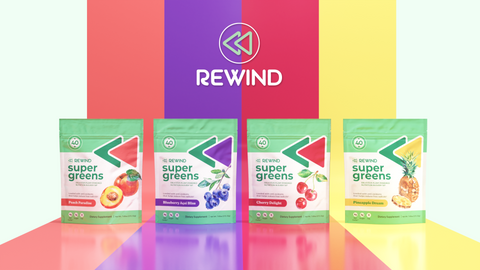
Mushrooms add savory flavor, B vitamins, minerals, and possibly vitamin D to your meals. A daily super greens drink adds a different mix of plant ingredients in one serving, including Spinach Leaf Powder, Organic Broccoli Powder, Barley Grass Powder, Wheatgrass Powder, Spirulina, Nori Seaweed, and berry ingredients like Blueberry Powder and Bilberry Fruit Extract. Eating a wide range of foods from different groups is one of the best ways to cover your nutritional bases.
No. The Rewind Greens formula is not a source of vitamin D. That is one reason UV-treated mushrooms, along with fatty fish, eggs, fortified foods, and sensible sun in warmer months, are worth adding to your winter meals. Pair a mushroom and spinach omelet with your morning super greens for a breakfast that covers a lot of ground.
Reviews and prospective cohort studies have examined mushrooms as a dietary source of vitamin D and mushroom consumption in relation to mortality and cardiometabolic outcomes.
Mushrooms are a humble, budget-friendly food with a lot to offer. They are low in calories, rich in savory flavor, and bring B vitamins, minerals, and fiber. UV-treated mushrooms are one of the few non-animal foods that can provide a good amount of vitamin D, which makes them a smart choice for the darker months. Early research on mushrooms and long-term health is promising, though more studies are needed.
Pick firm, dry mushrooms, store them in a paper bag, and wipe them clean before cooking. Brown them in a hot pan, add them to eggs, pasta, soups, and stir-fries, and use them to stretch meat dishes. Never eat wild mushrooms unless an expert has checked them. And pair your mushroom meals with your daily super greens drink for a varied, nutrient-rich winter routine.
Mushrooms are fungi, not plants, but they are usually grouped with vegetables in cooking and in nutrition guidelines because of how we use them and the nutrients they provide.
Many people eat raw white button and cremini mushrooms in salads. Cooking mushrooms makes them easier to digest and brings out their flavor. Some types, like shiitake, are best eaten cooked.
There is no set amount. Adding a serving of mushrooms, about half a cup cooked or one cup raw, to a few meals a week is a simple way to enjoy their flavor and nutrients.
Yes. Canned mushrooms are convenient, but rinse them to remove some of the salt. Dried mushrooms, like shiitake and porcini, have a strong, rich flavor. Soak them in warm water before using, and save the soaking liquid to add flavor to soups and sauces.
UV-treated mushrooms can be a helpful source of vitamin D. Check the label to see how much a serving has. If you are concerned about your vitamin D level, ask your doctor about a blood test and whether you need a supplement.
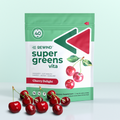
Cherry Delight
$39.99
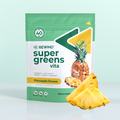
Pineapple Dream
$39.99
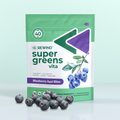
Blueberry Acai Bliss
$39.99


