

It is 6:30 on a Wednesday night. You are tired, hungry, and staring into the fridge with no idea what to make. Ten minutes later, you are ordering takeout or eating cereal for dinner again. If that sounds familiar, you are not alone. Busy schedules are one of the biggest reasons people struggle to eat well, even when they know what healthy eating looks like.
Meal prep is the simple fix. It means planning and getting some of your food ready ahead of time, so healthy meals are easy to grab when life gets busy. You do not need fancy containers, a perfect plan, or a whole Sunday in the kitchen. This guide shows you how to start small, what to prep, how to keep food fresh, and how a daily greens drink fits into a well-prepped week.
Yes. Research has found that people who plan their meals ahead tend to eat a wider variety of foods and follow healthy eating guidelines more closely than people who do not plan. They also tend to eat more fruits and vegetables. Planning gives you a roadmap, so you shop with a purpose and cook with what you already have instead of grabbing whatever is fast.
Eating more meals at home matters too. A large study of more than 11,000 adults found that people who ate home-cooked meals more than five times a week ate more fruits and vegetables and had better overall eating habits than people who ate home-cooked meals fewer than three times a week. Meal prep is one of the easiest ways to make more home-cooked meals happen.
Meal prep saves money because you buy only what you need and waste less food. It saves time on busy weeknights because the hard work is already done. It lowers stress, because you are not making food decisions when you are tired and hungry. And it helps with portion sizes, because you can pack meals in sensible amounts ahead of time.
No. Trying to prep every meal for the whole week is the fastest way to burn out. Pick one meal to start with. For many people, lunch is the best choice, because it is the meal most often grabbed on the go. Or start with dinner for just three weeknights. Once that feels easy, you can add more.
Your first session might take an hour or two. With practice, many people get it down to about an hour a week. You can do it all at once on a weekend, or split it into two shorter sessions, like Sunday and Wednesday, so food stays fresher. Even 20 minutes of washing and chopping vegetables can make a big difference.
Sit down for 10 minutes and write a simple plan. Pick two or three main dishes for the week. Check what you already have in your fridge, freezer, and pantry. Then write a grocery list for the rest. Choose recipes that share ingredients, like using one big batch of roasted chicken for salads, wraps, and grain bowls. That saves time and money.
Instead of cooking full meals, you prep simple building blocks that you can mix and match all week. This keeps meals from getting boring and gives you more flexibility. Each meal is made from a few blocks: a protein, a grain or starchy vegetable, one or two vegetables, and a sauce or topping.
For protein, try baked chicken, hard-boiled eggs, cooked lentils or beans, ground turkey, baked tofu, or salmon. For grains and starches, cook a pot of brown rice, quinoa, whole wheat pasta, or roasted sweet potatoes. For vegetables, roast a big tray of broccoli, carrots, peppers, and Brussels sprouts, and wash and chop raw veggies like cucumbers, cherry tomatoes, and leafy greens. For sauces, make a simple dressing with olive oil, lemon, and herbs, or keep hummus, salsa, or yogurt sauce on hand.
Mix and match. Monday might be a grain bowl with rice, chicken, roasted broccoli, and a lemon dressing. Tuesday could be a wrap with chicken, hummus, cucumbers, and greens. Wednesday might be a salad with lentils, roasted sweet potatoes, and tomatoes. Same building blocks, three different meals. You can also add a fresh ingredient each day, like avocado or a handful of nuts, to keep things exciting.
Most cooked foods stay good in the fridge for three to four days. That is why many people prep twice a week instead of once. Store food in sealed containers and get it into the fridge within two hours of cooking. Keep sauces and dressings separate until you are ready to eat, so salads and grain bowls do not get soggy.
Yes. Soups, stews, chili, cooked grains, beans, meatballs, and casseroles all freeze well. Freeze them in single portions so you can grab one at a time. Label each container with what it is and the date. Most frozen meals taste best within two to three months. Thaw them in the fridge overnight or reheat them straight from frozen.
Some foods are better made fresh. Crispy fried foods get soggy. Cut avocado turns brown quickly. Delicate greens like lettuce wilt if they sit in dressing. Cooked pasta can get mushy after a few days. Prep these parts last, or add them the day you eat.
A simple guide is to fill half your container with vegetables, a quarter with protein, and a quarter with whole grains or starchy vegetables. Add a little healthy fat, like olive oil, nuts, seeds, or avocado. This mix helps keep you full, gives you steady energy, and covers many of the nutrients your body needs.
It is easy to fall into a rut and eat the same three meals every week. Try one new vegetable or recipe each week. Switch up your sauces and spices. Rotate between chicken, fish, beans, and eggs. Use seasonal produce, like squash and Brussels sprouts in the fall. Small changes keep meals interesting and give your body a wider mix of nutrients.
Breakfast is often the meal people skip when they are rushed. Prep it the night before. Overnight oats, egg muffins, chia pudding, and yogurt parfaits are all easy make-ahead options. Pair your breakfast with your daily greens drink for a quick, steady start to the day.
Even the best meal prep plan has weeks that fall apart. Someone gets sick. Work runs late. The vegetables you bought go bad before you use them. A daily greens drink is the one healthy habit that needs no prep at all. It takes 30 seconds and gives you 24 plant ingredients, including leafy greens like Spinach Leaf Powder and Organic Broccoli Powder, grasses like Barley Grass and Wheatgrass, and fruits like Blueberry Powder and Acerola Extract. It fills the gaps on the days your plan does not go perfectly.
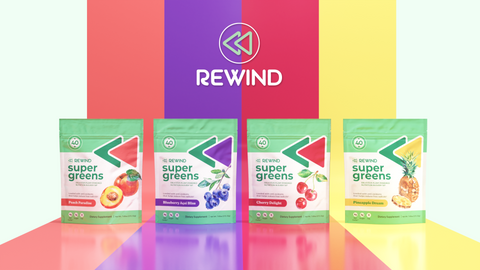
Keep your greens on the counter next to your prepped breakfast, so you see it every morning. Pack single-serve packs into your lunch bag on busy days. On weekends, blend your greens into a smoothie with frozen fruit and spinach for an easy, prepped-ahead snack. Rewind Greens flavors like Pineapple Dream, Blueberry Açaí Bliss, Peach Paradise, and Cherry Delight make it a treat instead of a chore.
Observational studies have examined associations between meal planning, home food preparation, and diet quality in adult populations.
Meal prep does not have to be complicated. Start with one meal, a short plan, and a simple grocery list. Prep building blocks like a protein, a grain, and a big tray of roasted vegetables, then mix and match them all week. Store food safely, freeze extras, and keep delicate foods fresh until you eat them.
Research shows that people who plan their meals and eat more home-cooked food tend to eat more fruits and vegetables and enjoy more variety. Add a daily greens drink as your no-prep backup, and you will have a steady base of plant nutrition even on the weeks when your plan falls apart. A little planning today makes every busy weeknight easier.
Glass containers with snap-on lids are a great choice because they are sturdy, easy to clean, and safe to reheat in. BPA-free plastic containers are lighter and cheaper. Containers with two or three sections help keep foods separate. Start with what you have and add more as you go.
Yes. Cooking for one can feel like a lot of work for a little food. Meal prep lets you cook once and eat several times. Freezing single portions is especially helpful, so you have variety without eating the same thing five days in a row.
Use the building block method so you can mix and match. Change one or two recipes every week. Try new sauces and spices. Leave one or two nights a week open for something fresh or fun, like a family pizza night.
Yes. Planning meals and shopping with a list cuts down on impulse buys and wasted food. Cooking at home is almost always cheaper than eating out. Buying beans, grains, and frozen vegetables in bulk can stretch your budget even further.
Sheet pan meals are a great place to start. Toss chicken or chickpeas and chopped vegetables with olive oil and spices, spread them on a baking sheet, and roast. Divide them into containers with a scoop of rice or quinoa. You will have several healthy meals ready with very little cleanup.
Cherry Delight
$39.99
Pineapple Dream
$39.99
Blueberry Acai Bliss
$39.99


