

When winter arrives, grocery store produce sections often look very different. The vibrant, crisp leafy greens you relied on during spring and summer may seem wilted, expensive, or limited in variety. If you’re trying to stay consistent with your nutrition, this seasonal shift can feel frustrating.
Cold weather also changes how we eat. We crave warm, comforting foods like soups, casseroles, breads, and heavier meals. While there’s nothing wrong with comfort food, it can make it harder to get enough leafy vegetables each day.
The good news is this: winter does not have to mean lower nutrition. With smart planning and practical tools like super greens powder, frozen vegetables, indoor growing, and a daily greens drink, you can keep your greens intake steady all season long. Whether you prefer fresh salads or a convenient green powder drink in the morning, there are simple ways to stay consistent.
Let’s explore how to maintain strong winter nutrition, even when fresh veggies are scarce.
Leafy greens are some of the most nutrient-dense foods you can eat. They are low in calories but rich in essential vitamins, minerals, antioxidants, and plant compounds that support overall health.
Cold and flu season peaks during winter. Greens contain nutrients like vitamin C, vitamin A, and phytonutrients that help support normal immune function. Drinking greens regularly through a healthy greens drink can help support daily nutrient intake when fresh options are limited.
Shorter days and less sunlight can impact energy levels. Nutrient-rich foods, including healthy greens powder blends, help support steady energy production at the cellular level.
Winter diets often include more processed or heavy foods. Fiber from greens supports healthy digestion and regularity. A greens powder drink can also help fill fiber gaps when vegetable intake drops.
Greens contain antioxidants that help combat oxidative stress. This matters year-round, but especially in winter when stress, travel, and seasonal changes can impact overall wellness.
Consistency is the key. Getting greens once in a while isn’t enough. A daily habit whether through fresh veggies, frozen options, or drinking greens in the form of a green drink mix helps maintain balance.
Winter creates several practical and behavioral barriers that make maintaining a steady intake of leafy greens more challenging. Understanding these challenges can help you prepare better and make smarter nutrition choices during the colder months.
Many common leafy greens grow best during warmer seasons when sunlight, temperature, and soil conditions are ideal. Plants such as spinach, kale, and lettuce require stable growing environments to develop strong leaves and nutrients.
During winter, farmers often rely on greenhouse production or long-distance shipping to supply stores. While greenhouse farming helps keep produce available, it is more expensive to operate because it requires heating, lighting, and controlled humidity. These additional costs can affect retail pricing.
Another challenge is transportation time. Fresh greens may travel across regions or even countries before reaching local grocery shelves. The longer the travel distance, the more likely it is that freshness begins to decline, even with modern cold-chain storage technology.
This is why winter shoppers may notice fewer local varieties of leafy greens compared to spring and summer seasons.
Produce pricing is influenced by supply and demand. When seasonal production drops, the available supply becomes smaller. At the same time, consumer demand for vegetables remains relatively stable.
Transportation costs also increase during winter because fuel consumption may be higher in colder conditions. Shipping fresh vegetables requires temperature-controlled vehicles, refrigerated storage, and careful handling to prevent spoilage.
These factors contribute to the seasonal price increase often seen in fresh greens such as spinach and mixed salad leaves.
For families or individuals on a fixed budget, this can make it harder to consistently purchase fresh leafy vegetables throughout the winter season. Because of this, many people turn to frozen vegetables or nutrient-dense greens powder products as practical alternatives.
Fresh produce quality can be affected by travel duration and storage conditions.
Leafy vegetables naturally lose moisture after harvesting. If shipping or storage takes longer, leaves may appear wilted, less vibrant, or slightly soft. Although these vegetables may still be safe to eat, visual quality strongly influences buying behavior.
Consumers tend to associate bright green, crisp leaves with freshness and nutrition. When vegetables appear dull or limp, people are less likely to purchase or cook them.
This is especially important during winter when people already have reduced exposure to fresh outdoor markets and farm stands.
Winter naturally encourages changes in eating patterns. Cold weather often increases the desire for warm, high-energy comfort foods.
Meals such as soups, pasta dishes, baked casseroles, and bread-based foods tend to dominate winter menus because they provide warmth and satiety. While these foods are enjoyable and socially meaningful, they may not always contain enough leafy greens.
Raw salads may also feel less appealing during cold weather. Eating cold vegetables when the body is already trying to stay warm can feel uncomfortable for some people.
This is where flexible nutrition solutions become helpful. Using a greens drink mix or green powder drink allows individuals to maintain plant nutrient intake without forcing themselves to eat cold salads every day.
A healthy greens drink can be consumed at room temperature, mixed into smoothies, or added to warm - not boiling - foods, making it easier to stay consistent with daily nutrition habits.
Frozen vegetables are often picked at peak ripeness and flash-frozen quickly, preserving nutrients.
Ways to use frozen greens:
• Add to soups and stews
• Stir into pasta sauces
• Blend into smoothies
• Mix into scrambled eggs
• Fold into casseroles
Frozen greens are budget-friendly, last longer, and reduce food waste.
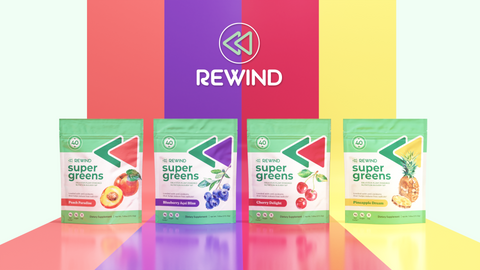
One of the simplest ways to stay consistent is to incorporate a greens powder drink like Rewind Greens into your daily routine.
A green drink powder offers concentrated plant nutrients without chopping or cooking. Many people mix a green powder drink with water in the morning to create a quick healthy greens drink before breakfast.
Benefits include:
• Convenience
• Consistency
• Nutrient density
• Easy travel option
• No spoilage concerns
When fresh produce is limited, super greens blends can help maintain daily micronutrient intake.
If salads don’t appeal to you in winter, shift your mindset.
Add greens to:
• Lentil soup
• Chicken or vegetable broth
• Rice dishes
• Chili
• Stir-fries
• Savory oatmeal
Warm dishes make greens more comforting and easier to enjoy during cold weather.
A green drink mix is not just for water.
You can add green drink powder blends to:
• Smoothies
• Pancake batter
• Muffins
• Energy balls
• Yogurt
• Oatmeal
This helps increase intake without changing your meals drastically.
Indoor gardening is easier than many people think.
You can grow:
• Microgreens
• Spinach
• Lettuce
• Basil
• Arugula
All you need is a container, soil, seeds, and light. Even a sunny window can work. Microgreens grow quickly and are highly nutrient-dense.
Research consistently shows that higher vegetable intake is associated with improved health outcomes.
These studies support the importance of consistent vegetable intake. While whole foods are ideal, concentrated plant-based supplements such as greens powder can support nutrient intake when dietary variety is limited.
Winter does not have to disrupt your healthy habits. While fresh vegetables may be harder to find, you have many options: frozen greens, indoor growing, warm recipes, and convenient solutions like super greens powder and green drink powder products.
By building a simple daily routine whether that includes a greens drink, a greens powder drink in your smoothie, or cooked greens in your soup - you can maintain steady nutrition all season long.
Consistency beats perfection. Even small daily efforts to support your greens intake will carry you through winter feeling balanced, energized, and supported.
Greens powder can help support nutrient intake when fresh vegetables are limited. While whole vegetables provide fiber structure and volume, super greens powder delivers concentrated plant nutrients that help fill gaps during winter months. It works best as a complement to frozen or cooked vegetables rather than a complete replacement.
Many people use a greens powder drink once daily, typically in the morning. Consistency helps maintain nutrient levels even when produce intake varies.
Frozen greens are often comparable to fresh because they are harvested and frozen at peak ripeness.
Yes, but avoid high heat after mixing. Add green drink powder to warm soups or oatmeal at the end of cooking.
Mixing a healthy greens drink every morning is one of the simplest habits to begin.
Cherry Delight
$39.99

Pineapple Dream
$39.99
Blueberry Acai Bliss
$39.99


