

Stress, anxiety, and mental fatigue have become the background noise of modern life. Whether it's work pressure, poor sleep, or the constant scroll of a phone screen, the brain is taking hits daily and most people's diets aren't doing enough to help it recover. What's less obvious is that the foods and supplements you consume every day have a direct, measurable impact on how you think, how you feel, and how well you handle pressure.
Super greens powders have earned genuine attention in the mental wellness conversation not because of marketing, but because of biochemistry. The adaptogenic herbs, antioxidants, prebiotics, and phytonutrients packed into a quality greens formula work through multiple biological pathways to calm the stress response, protect the brain from oxidative damage, and support the neurotransmitter production that regulates mood. In this blog, we break down exactly how that works, which ingredients matter most, and what the research actually says.
Before getting into specific ingredients, it helps to understand the biological foundation: the gut-brain axis. This is the bidirectional communication network linking your digestive system and your central nervous system and it means that what happens in your gut doesn't stay in your gut.
The gut microbiome directly influences the production of serotonin and dopamine, the neurotransmitters most associated with mood, motivation, and emotional regulation. Roughly 90% of the body's serotonin is synthesized in the gut. Feed your gut well, and you feed your brain well.
Super greens powders support this system through prebiotics that nourish beneficial gut bacteria, antioxidants that reduce gut inflammation, and phytonutrients that help maintain the integrity of the gut lining. When the gut environment is healthy, the signals it sends to the brain are healthier too and that shows up in how you feel emotionally day to day.
Taking care of your mental well-being isn’t just about mindset - it’s also about giving your body the right kind of support. Nutrient-dense greens bring together a wide range of plant-based ingredients that work in harmony to help you feel more balanced, focused, and resilient throughout the day. Instead of relying on quick fixes, they support your system from the inside out.
Modern life comes with constant demands, and over time, that can leave you feeling drained or overwhelmed. Certain plant ingredients are known for helping the body better adapt to stress, supporting a more steady and controlled response instead of extreme highs and lows. This can translate into feeling calmer during busy days, recovering faster from pressure, and experiencing fewer energy crashes. Over time, this kind of support can make stress feel more manageable instead of all-consuming.
Siberian Ginseng is an adaptogen with the most direct evidence for stress modulation. Siberian Ginseng extract significantly reduces stress-related fatigue and improves mental performance under pressure. For anyone in a sustained high-stress environment, this ingredient is doing meaningful physiological work every day.
Astragalus Root complements this by reducing oxidative stress and inflammation in the brain both of which are elevated under chronic stress conditions.
Your mood is closely tied to what your body has available to work with. Nutrient-rich greens provide vitamins, minerals, and amino acids that help support the natural processes behind mood balance. When your body is properly nourished, it becomes easier to maintain emotional stability, feel more even throughout the day, and avoid those sudden dips in energy or motivation. It’s a subtle shift, but one that builds consistency in how you feel.
Spirulina is one of the most nutritionally complete ingredients in the greens formula for this purpose. It's rich in tryptophan - the amino acid precursor to serotonin as well as B vitamins including B6 and folate, which are essential cofactors in neurotransmitter synthesis. Spirulina supplementation can help reduce anxiety and depressive symptoms by providing the building blocks the brain needs to regulate its own chemistry.
Barley Grass and Wheatgrass further contribute here with concentrated B vitamin content, including B6 and folate, both of which are directly involved in converting tryptophan into serotonin and tyrosine into dopamine. Low B vitamin status is one of the most common and underdiagnosed contributors to low mood and mental fatigue.
Daily habits like lack of sleep, processed foods, and ongoing stress can create internal strain that affects both your body and mind. Plant compounds rich in antioxidants help your system stay more balanced by supporting your body’s natural ability to handle that strain. This doesn’t just impact physical health, it also plays a role in how mentally “at ease” you feel, helping reduce that underlying sense of tension or burnout.
Quercetin Dihydrate is one of the most studied flavonoids for neuroinflammation. It crosses the blood-brain barrier and directly suppresses microglial activation, reducing the inflammatory cytokines that disrupt mood regulation.
Resveratrol adds another layer of neuroprotection by activating sirtuins - proteins involved in cellular stress response and has been shown in a randomized controlled trial to reduce cortisol levels, lower HPA (Hypothalamic-Pituitary-Adrenal) axis reactivity, and improve mood in healthy adults. In short, it helps the brain turn down its own stress response at a hormonal level.
Mental health isn't just about mood — it's about how clearly and effectively the brain functions under pressure. Brain fog, poor concentration, and slow processing are often the first symptoms of nutritional deficiency, oxidative stress, or poor circulation to the brain.
Ginkgo Biloba is the most extensively studied herb for cognitive performance and has decades of clinical evidence behind it. It works primarily by improving cerebral blood flow and acting as a potent antioxidant, protecting neurons from oxidative damage.
Green Tea Extractcontributes a unique combination of L-theanine and natural caffeine that produces what researchers call "calm alertness" — focused, sustained mental energy without the anxiety or crash associated with coffee. L-theanine promotes alpha brain wave activity, the neural signature of relaxed concentration.
As established above, the gut microbiome is a primary driver of mental health — and prebiotics are what feed it. Inulin, the prebiotic fiber inRewind Greens, selectively nourishes beneficial bacteria like Bifidobacterium and Lactobacillus, which produce short-chain fatty acids and neurotransmitters that signal directly to the brain.
Mental well-being isn’t built overnight - it’s shaped by the small, consistent choices you make every day. From how you nourish your body to how you manage stress, each piece plays a role in how you feel, think, and show up in your daily life.
Adding more nutrient-dense greens into your routine is a simple, sustainable way to support that foundation. By giving your body the support it needs - whether it’s for stress, mood, focus, or gut health; you’re helping create a more balanced, steady state from within.
It’s not about chasing perfection or quick fixes. It’s about building habits that work with your body, not against it. And over time, those small shifts can lead to clearer thinking, better energy, and a more resilient mindset - day after day.
Yes, the evidence supports meaningful anxiety reduction through multiple biological pathways. Adaptogenic herbs regulate cortisol, prebiotics improve gut-brain signaling, and flavonoids like quercetin reduce the neuroinflammation associated with chronic anxiety. Super greens are not a replacement for clinical treatment of anxiety disorders, but as part of a healthy lifestyle, the biochemical support is real and well-documented.
Most people notice improved energy and mental clarity within one to two weeks. Adaptogenic effects on stress resilience and mood typically build over four to eight weeks of daily use. Gut microbiome changes which underpin many of the mood benefits - take at least three to four weeks to become established. Consistency over time produces better results than any individual dose.
Always consult your healthcare provider before combining supplements with prescription medications. Ginkgo Biloba in particular can interact with blood thinners and certain antidepressants. Your doctor can advise on what is safe and appropriate for your specific treatment plan.
For stress relief specifically, Siberian Ginseng (HPA axis regulation), Green Tea Extract (calm alertness via L-theanine), Inulin (gut-brain axis support), and Resveratrol (cortisol modulation) are the most directly relevant. Together they address stress at the hormonal, neurological, and microbiome level simultaneously which is why a comprehensive greens formula outperforms single-ingredient supplements.
Daily use produces significantly better results than situational use. Adaptogens and prebiotics work by building resilience over time not by delivering an acute response in the moment. Think of daily greens the same way you think of daily exercise: the benefit compounds, and consistency is what separates results from wishful thinking.
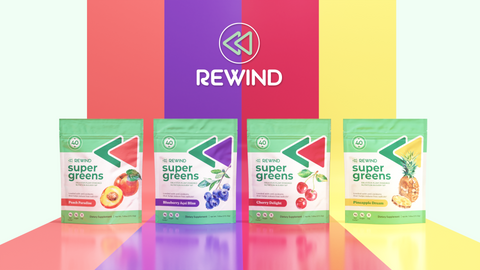

Cherry Delight
$39.99

Pineapple Dream
$39.99
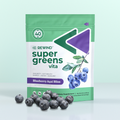
Blueberry Acai Bliss
$39.99


