

Yogurt, kimchi, kefir, sauerkraut, miso, pickles, and kombucha all have one thing in common: they are made by fermentation. Fermentation is one of the oldest food preservation methods in the world, and it is having a big moment in nutrition science. Research is finding that the live cultures in fermented foods may support the community of tiny organisms in your gut. That community plays a role in how your whole body works.
This guide explains what fermentation is, what the research actually shows, which fermented foods are worth eating and how to enjoy them, what to watch out for, and how fermented foods fit alongside your daily super greens drink in a plant-rich routine.
Fermentation happens when bacteria and yeast break down carbohydrates in food. They turn them into acids, gases, or alcohol. This changes the flavor, texture, and feel of the food. Lactic acid fermentation is what happens in most fermented foods you eat. Bacteria make lactic acid, which preserves the food and gives it a tangy, sour taste. This is what happens in yogurt, kefir, kimchi, sauerkraut, and many pickles.
Not all. Some fermented foods are heated or pasteurized after fermentation, which kills the live cultures. Pasteurized sauerkraut, most commercially made pickles (made with vinegar, not fermentation), and many shelf-stable fermented products no longer contain live microorganisms. For foods with live cultures, look for labels that say live cultures, active cultures, or naturally fermented. Store them in the refrigerator.
Probiotics are live organisms that may provide health benefits when eaten in enough amounts. Not every fermented food is a probiotic. The term has a strict scientific meaning. Not all fermented foods have been tested. Even so, eating fermented foods with live cultures regularly appears to support the variety of organisms in your gut.
A landmark study from Stanford University compared two eating plans over ten weeks: one high in fermented foods like yogurt, kefir, kimchi, sauerkraut, and kombucha, and one high in dietary fiber. The fermented food group saw a steady increase in the variety of microbes living in their gut, which is generally considered a good sign for gut health. They also had lower levels of certain markers in their blood that are linked to body-wide stress. The fiber group did not see the same boost in gut microbial variety during the study period.
Your gut holds trillions of tiny organisms, including bacteria, fungi, and viruses. They affect digestion, immune function, and even mood. Scientists are still learning exactly how. Research links more variety among gut organisms with better health. The exact reasons are still being worked out. Eating a wide range of plant foods and fermented foods appears to support this variety.
The science is still growing. The Stanford study was small. Many details remain unclear. What we know is this: fermented foods are safe and nutritious. They add live organisms to your diet. People who eat more of them tend to have more variety among their gut organisms. That is a good reason to include them often.
Plain yogurt is one of the easiest and most versatile fermented foods. It is made by adding live bacterial cultures to milk. Look for labels that say live and active cultures. Avoid yogurts with a lot of added sugar. Greek yogurt has more protein and a thicker texture. Try it as a topping for fruit and oatmeal. Stir it into smoothies and dips. Use it on tacos instead of sour cream.
Kefir is a tangy, drinkable dairy ferment made with a culture of bacteria and yeasts. It often has more types of live cultures than regular yogurt. It comes in cow, goat, or plant milk versions. Drink it plain or blend it into a smoothie. Try it in pancake or waffle batter. Kefir is widely available in most grocery stores.
Kimchi is a Korean fermented vegetable dish, usually made with cabbage and spicy seasonings. Sauerkraut is fermented cabbage from Central European tradition, with a sour, tangy flavor. Both are made by the same fermentation process. Find them in the refrigerated section of most stores. Look for the words naturally fermented or raw rather than pasteurized. Add a spoonful to grain bowls, eggs, sandwiches, and noodle dishes. Keep servings modest, since both tend to be high in sodium.
Miso is a fermented soybean paste from Japanese cooking. It adds rich, savory flavor to soups and dressings. When you dissolve miso in hot liquid, some live cultures may be lost. The flavor and other nutrients stay. Tempeh is a firmer, cake-like fermented soybean product that is high in protein and can be sliced and sautéed, baked, or grilled.
Kombucha is a fermented tea drink that has become very popular. It is made by fermenting sweetened tea with a culture of bacteria and yeasts. Many people enjoy it as an alternative to soda. It has some natural sugar and small amounts of alcohol from the fermentation process. Check labels for added sugar, since commercial varieties vary a lot. Some people find carbonated drinks hard on a sensitive stomach.
Most pickles sold in jars with vinegar are not fermented in the same way as kimchi or sauerkraut. Vinegar pickles are fast and flavorful but do not contain live cultures. For fermented pickles, look for labels that say naturally fermented or lacto-fermented in the refrigerated section.
There is no set recommendation. Studies have used a wide range of amounts. A good starting point is adding one serving of a fermented food a day: a cup of yogurt, a glass of kefir, a few tablespoons of kimchi or sauerkraut, or a cup of kombucha. If you are not used to fermented foods, start small and increase gradually. Some people notice temporary digestive changes like bloating when they first add more fermented foods, which usually settles down.
Read labels. For yogurt, look for live and active cultures. For kimchi, sauerkraut, and pickles, look for naturally fermented and refrigerated. Avoid pasteurized versions if you want live cultures. For kombucha, choose varieties with less added sugar. For miso, look for refrigerated, unpasteurized miso when possible.
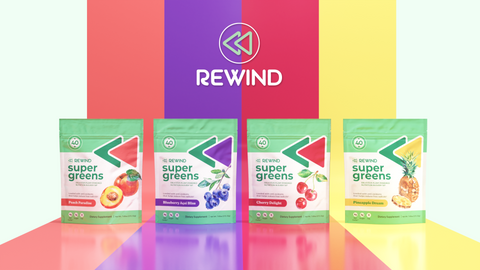
Fermented foods support your gut by introducing live microorganisms and variety. A daily super greens drink adds a wide mix of plant ingredients that feed the gut from the other direction. Rewind Greens brings 24 plant ingredients, including Spinach Leaf Powder, Organic Broccoli Powder, Barley Grass Powder, Wheatgrass Powder, Spirulina, Nori Seaweed, Inulin, Apple Pectin, and berry ingredients like Blueberry Powder and Bilberry Fruit Extract. Inulin and Apple Pectin are plant fibers that add to your daily fiber intake.
Yes. Blend your Rewind Greens with plain kefir, frozen berries, a frozen banana, and a spoonful of nut butter for a smoothie that brings both fermented dairy and a wide range of plant ingredients. It is a satisfying, plant-rich breakfast. The flavors of Blueberry Açaí Bliss and Cherry Delight pair especially well with the tang of kefir.
Eat a wide variety of plant foods. Research consistently links greater plant variety, not just quantity, with more variety among gut organisms. Try to eat 20 to 30 different plant foods each week, including vegetables, fruits, whole grains, beans, lentils, nuts, seeds, and herbs and spices. Pair that variety with one or two daily servings of fermented foods for a broad, food-first approach to gut health.
Studies have examined fermented food intake and how it affects the community of organisms in the gut.
Fermented foods have been part of human diets for thousands of years, and modern research is catching up to the reasons why they may be good for us. The best-supported benefit is their potential to increase gut microbial diversity, which appears to be a marker of a healthy gut. A wide range of foods from yogurt and kefir to kimchi, sauerkraut, miso, tempeh, and kombucha bring live cultures alongside the flavor and nutrition of whole foods.
Start with one serving a day, choose products with live cultures in the refrigerated section, and add fermented foods gradually. Pair them with a varied plant diet and your daily super greens drink for a broad, food-first approach to gut health. And enjoy the flavor, because fermented foods taste great.
Yes. Homemade yogurt, sauerkraut, kimchi, and kefir are all manageable for home cooks. Yogurt is the easiest starting point. Sauerkraut needs only cabbage, salt, and time. Many recipes and guides are available online. Home fermentation can be a fun and affordable way to keep a steady supply.
For most healthy adults, fermented foods are safe and nutritious. People with serious immune system problems or other health conditions should follow their doctor's guidance. Some people find they are sensitive to certain compounds that can be high in fermented foods like sauerkraut and kombucha.
Fermented foods are not a treatment for digestive conditions. Some people with irritable bowel syndrome or other gut issues find that fermented foods help; others find them harder to tolerate. If you have a digestive condition, talk to your doctor or a dietitian before making big changes to what you eat.
Probiotic supplements vary widely in what they contain and what has been studied. Talk to your doctor if you are thinking about a probiotic supplement, especially if you have a health condition. For most healthy people, getting fermented foods regularly through the diet is a food-first approach.
It is better not to mix super greens directly into boiling liquid, since high heat can break down some vitamins in the formula. Enjoy miso soup separately and add your super greens to room-temperature water or a smoothie. You can still enjoy both in the same meal.
Cherry Delight
$39.99
Pineapple Dream
$39.99
Blueberry Acai Bliss
$39.99


