

Exercise is one of the most powerful health interventions available. Regular moderate physical activity consistently improves immune surveillance, reduces inflammatory baseline, lowers all-cause mortality risk, and produces broad systemic benefits that no pharmaceutical intervention comes close to matching. But exercise is not immunologically neutral at every intensity. The same training that builds cardiovascular fitness, strength, and metabolic health also, at high intensities and volumes, temporarily suppresses specific immune functions in ways that meaningfully increase the risk of upper respiratory illness during the hours immediately following intense training sessions.
This temporary post-exercise immune suppression is not a reason to avoid intense training. It is, however, a clinically important phenomenon that athletes, fitness enthusiasts, and anyone who trains regularly should understand, because the nutritional strategies that address it are straightforward, evidence-supported, and directly within reach through a daily greens habit. Understanding why intense exercise temporarily opens a window of immune vulnerability, and how plant polyphenols, Vitamin C, and the broader nutritional network of a greens formula address that vulnerability, makes the case for consistent daily plant nutrition more compelling for active people than for any other population.
The open window theory, proposed in exercise immunology research in the 1990s and extensively studied since, describes the period of temporary immune suppression that follows a bout of prolonged, high-intensity exercise. During this window, which research has characterized as lasting between 3 and 72 hours depending on the specific immune parameter measured, natural killer cell counts and activity fall significantly, lymphocyte populations shift in ways that reduce the proportion of cells with potent antiviral and antibacterial functions, secretory IgA in mucosal tissue including the respiratory tract decreases, and the overall immune surveillance capacity is temporarily reduced.
The mechanism involves several converging factors. High cortisol levels during intense exercise directly suppress lymphocyte and natural killer cell activity. The redistribution of immune cells from the bloodstream to muscle tissue during and after exercise changes the immune surveillance coverage of mucosal surfaces. And the oxidative stress of intense exercise consumes antioxidant reserves that immune cells depend on for their function. The clinical consequence is well-documented in epidemiological research: endurance athletes show higher rates of upper respiratory tract infections in the weeks following intense training periods and major competition events compared to baseline periods and compared to moderately active controls.
The exercise-immunity relationship follows a J-shaped curve. Moderate regular physical activity, defined roughly as 30 to 60 minutes of moderate-intensity aerobic exercise performed most days of the week, consistently enhances immune surveillance, reduces the incidence and severity of upper respiratory infections, and improves the immune response to vaccines. It is the volume and intensity of training that determines whether exercise is immunoprotective or immunosuppressive. The immune benefits of moderate exercise are well-established and substantial. The immune risks of heavy training are equally well-documented and real. Managing the transition between these zones through nutritional support is a central strategy of sports nutrition and exercise immunology.
A landmark clinical study examined the effects of high-dose polyphenol supplementation, including Quercetin, EGCG, Resveratrol, and related compounds, on exercise-induced immune suppression in adolescent athletes during a 12-week high-intensity training period. The results were striking: athletes receiving polyphenol supplementation maintained healthy CD4+/CD8+ T cell ratios above clinical thresholds throughout the training period, while the control group's ratios fell significantly during peak training intensity. Regulatory T cells increased 17 percent in the polyphenol group while Th17 inflammatory cells remained stable, producing immune balance outcomes significantly better than controls. And the polyphenol group's gut microbiome showed doubled butyrate-producing bacteria and twofold higher short-chain fatty acid production, connecting the polyphenol intervention to the gut-immune axis that regulates systemic immune tone.
The mechanisms documented in this research converge on the NF-kB suppression, AMPK-mTOR activation, and Nrf2-mediated antioxidant responses that Quercetin, EGCG, and Resveratrol produce through their established molecular mechanisms. Each of these mechanisms directly counteracts the processes responsible for exercise-induced immunosuppression: the NF-kB inhibition reduces the excessive inflammatory cytokine production that impairs immune cell function, the AMPK activation improves mitochondrial efficiency in immune cells stressed by exercise oxidative load, and the Nrf2 antioxidant response replenishes the antioxidant capacity that exercise depletes from immune cell defense systems.
Quercetin Dihydrate has been specifically studied in the exercise immunology context and has demonstrated capacity to reduce the incidence of upper respiratory illness in athletes during and after high training periods. Its antiviral properties, including documented inhibition of viral entry and replication for multiple respiratory pathogens, address the clinical outcome that the open window most directly enables: increased vulnerability to respiratory viral infection during the post-exercise immune suppression period. And its Nrf2-activating antioxidant effects replenish the glutathione and superoxide dismutase antioxidant capacity that exercise oxidative stress depletes from neutrophils, natural killer cells, and lymphocytes.
Research on Quercetin and exercise immunity has found reductions in the number of upper respiratory illness days and sick days in Quercetin-supplemented athletes compared to placebo controls during heavy training periods, consistent with both its immune-supportive and antiviral mechanisms. These are outcomes directly relevant to any active person who has noticed they get sick during or after their most intense training periods.
Vitamin C has the longest research history of any single nutrient in the context of exercise immunity. The most consistent findings from clinical research on Vitamin C and respiratory infection come from studies of people under physical stress, which is the exercise context that most closely parallels the open window situation. A comprehensive review of Vitamin C and infections found that in people under physical stress, including heavy exercisers, Vitamin C supplementation reduced the incidence of colds by approximately 50 percent, a substantially larger effect than the modest 8 percent reduction found in the general population.
The Acerola Vitamin C in a greens formula provides the food-matrix Vitamin C that this research supports. Acerola is among the most concentrated food sources of Vitamin C available, with a higher Vitamin C content per gram than most citrus fruits and with bioflavonoids that research suggests enhance Vitamin C stability and cellular uptake. For the training athlete or fitness enthusiast whose exercise creates an open window of immune vulnerability, consistent daily Vitamin C from Acerola provides precisely the nutritional immune support that the most consistent evidence in exercise immunology supports.
The exercise immunology literature has built an increasingly clear picture of the open window phenomenon and the nutritional strategies that most effectively address it.
If you train hard and find yourself getting sick during your most intense training periods, this is not a coincidence or a sign that something is wrong with your immune system. It is the open window of exercise immunology, the temporary post-exercise immune suppression that is a predictable consequence of the physiological stress of high-intensity training. The good news is that this window can be meaningfully narrowed through the nutritional strategies that exercise immunology research has identified.
A daily greens drink provides the Quercetin and EGCG that the most comprehensive polyphenol-athlete study documented maintaining healthy immune cell ratios through peak training, the Acerola Vitamin C that the most consistent Vitamin C exercise immunity research supports at precisely the exercise stress context where it shows the largest effect, the Resveratrol for SIRT1-mediated immune cell mitochondrial support, and the Astragalus Root adaptogenic immune building that supports HPA axis modulation of the cortisol-driven immune suppression that intense exercise generates. Take your greens every day. Train hard. Stay well.
Morning greens intake, regardless of when you train, establishes the consistent daily polyphenol and nutritional foundation that immune support requires. The plant polyphenols are not acute immune-boosting agents that need to be present at the moment of exercise. They build immune resilience over weeks of consistent daily intake through the gut microbiome enrichment, antioxidant reserve building, and immune cell function support that cumulative daily exposure produces. Take your greens at your consistent morning time, whether you train morning, noon, or evening.
The open window is most pronounced after bouts of prolonged high-intensity exercise, typically 90 minutes or more at vigorous intensity. Moderate exercisers doing 30 to 60 minutes of moderate-intensity activity most days generally do not experience the significant open window suppression that endurance athletes and heavy trainers do, and actually have lower illness rates than sedentary individuals. The immune nutrition support of a greens drink is beneficial for moderately active people as well, but the post-exercise vulnerability that makes it particularly relevant is most significant for those doing high volumes of high-intensity training.
Yes. A greens drink provides immune nutritional support throughout all states of health. When you are sick, the antioxidant, anti-inflammatory, and immune-supportive nutrients in a greens formula support the immune response in progress rather than preventing one. The polyphenols reduce the excessive inflammatory component of immune responses that produces much of illness symptom burden, and the Vitamin C supports immune cell function during active infection. A greens drink is not an antiviral medication, but consistent plant nutrition supports the biological systems managing the illness.
Yes. Overtraining syndrome, the state of chronic fatigue, performance decrements, and immune suppression that results from training volume exceeding recovery capacity over extended periods, has a significant nutritional dimension. Magnesium depletion, iron depletion from high training volumes, chronic oxidative stress from insufficient antioxidant intake, and hormonal disruption from inadequate caloric support all contribute to overtraining syndrome's development and severity. Consistent daily plant nutrition through a greens formula addresses the micronutrient and antioxidant dimensions of the nutritional environment most protective against overtraining.
The Vitamin C antioxidant support from Acerola is effective from the first consistent daily dose in supporting plasma Vitamin C levels relevant to immune function. The polyphenol immune support from Quercetin and EGCG builds over two to four weeks as consistent daily intake enriches the gut microbiome populations that produce their bioactive metabolites. And the adaptogenic HPA axis support from Astragalus Root and Siberian Ginseng builds over four to eight weeks of consistent daily intake. Start your daily greens habit before your training season peaks, not when you have already gotten sick.

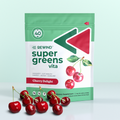
Cherry Delight
$39.99

Pineapple Dream
$39.99
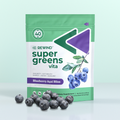
Blueberry Acai Bliss
$39.99


