

Many people say they want to cook more. Fewer people feel sure how to start. Maybe you grew up on takeout. Maybe your work days are long. Maybe you tried a fancy recipe once and it did not go well. All of that is normal. The good news is that you do not need to be a chef to cook meals that taste good and make you feel good.
Research suggests that people who cook at home more often tend to eat a better diet. They tend to eat more fruits and vegetables and fewer fast food meals. This guide explains what the studies show, then walks you through five simple skills that cover most weeknight dinners. You will also see how a daily super greens drink can sit alongside a home-cooked routine without adding any extra work.
A large U.S. study looked at what adults ate and how often they cooked dinner at home. People who cooked dinner six or seven times a week ate a healthier diet than people who cooked dinner once a week or less. They also ate fewer calories each day. This was true whether or not they were trying to lose weight. The researchers said that cooking dinner often at home was linked with a healthier diet overall.
A study of more than 11,000 adults in the United Kingdom found something similar. People who ate home-cooked meals more than five times a week ate about 62 more grams of fruit and about 98 more grams of vegetables each day than people who ate home-cooked meals fewer than three times a week. They were also less likely to be in the overweight range. The study could not prove that cooking caused these results. But the pattern is clear and consistent.
Americans spend about 33 minutes a day on food preparation and cleanup, on average. Another study asked how time in the kitchen relates to eating habits. People who spent more time preparing food at home ate more vegetables, salads, and fruit. People who spent less than an hour a day on food preparation spent more money on food away from home and visited fast food restaurants more often. You do not need hours. Even a modest, steady habit seems to count.
No. Cooking at home does not guarantee a healthy diet. You can cook a very rich meal at home, and you can find a healthy meal at a restaurant. But when you cook, you decide the ingredients, the portions, and the amount of salt, sugar, and oil. That control is the main benefit.
Roasting is one of the easiest ways to cook vegetables, and it makes them taste sweet and rich. Nearly any vegetable works. Carrots, broccoli, cauliflower, Brussels sprouts, sweet potatoes, squash, onions, and peppers all roast well.
Heat the oven to 400 or 425 degrees Fahrenheit. Cut the vegetables into pieces of similar size. Toss them with a small amount of olive oil, salt, and pepper. Spread them in a single layer on a baking sheet. Do not crowd the pan. Roast for 20 to 40 minutes, turning once, until the edges are golden. Add a squeeze of lemon or a sprinkle of herbs at the end.
A pot of cooked grains can be the base of many meals. Brown rice, quinoa, barley, and farro all keep well in the refrigerator for several days. Make a big batch once, and use it in bowls, soups, salads, and stir-fries all week.
Rinse the grains. Add them to a pot with water, usually about two parts water to one part grain. Bring to a boil, cover, and turn the heat to low. Quinoa takes about 15 minutes. Brown rice takes about 40 to 45 minutes. Check the package for exact times. Let the pot sit covered for 5 minutes, then fluff with a fork.
Eggs cook in minutes. They work for breakfast, lunch, or dinner. Scrambled eggs, a simple omelet, or a fried egg on top of a grain bowl all take less than 10 minutes.
Use a nonstick pan over medium-low heat. Add a little oil or butter. Pour in the beaten eggs and stir gently. Take the pan off the heat while the eggs still look a little soft. They keep cooking from the heat of the pan. Add chopped spinach, tomatoes, or peppers for extra color. Wash your hands and any dishes after handling raw eggs.
A good sauce can turn plain food into a meal you look forward to. You do not need a long recipe. A few ingredients and a whisk are enough.
The first is a lemon dressing: whisk three tablespoons of olive oil with the juice of one lemon, a pinch of salt, and a little pepper. The second is a yogurt sauce: stir plain yogurt with garlic, lemon juice, and chopped herbs. The third is a quick tomato sauce: simmer canned tomatoes with garlic and olive oil for 15 minutes. These three sauces can go on vegetables, grains, eggs, fish, chicken, and beans.
Pick one protein, one or two vegetables, and one starch. Put them all on a sheet pan with a little olive oil and seasoning. Roast until everything is done. For example, try chicken thighs, broccoli, and sweet potato cubes. Or try salmon, green beans, and baby potatoes. Or try chickpeas, cauliflower, and carrots with cumin and paprika.
One pan means less cleanup. The oven does most of the work. You have 20 to 30 minutes to do something else. And the formula is flexible, so you can use whatever is in your refrigerator. Cut hard vegetables smaller and soft vegetables larger so everything finishes at the same time.
Use a food thermometer for chicken and other poultry. It should reach 165 degrees Fahrenheit in the thickest part. Wash your hands after touching raw meat. Do not rinse raw chicken. Keep raw meat away from the vegetables you plan to eat uncooked.
Start small. Pick two or three recipes you want to learn and cook them until they feel easy. Do not try five new dishes in one week. A short list of reliable meals is more useful than a stack of recipes you never make.
It happens to everyone. Taste as you go. If it needs more flavor, add a little salt, lemon, or spice. If it is too salty, add more vegetables or grains. If it burns, learn from it and try again. Every cook has a story about a ruined dinner.
You can cook very well with a few good tools. A sharp chef's knife, a cutting board, one large skillet, one medium pot, a sheet pan, a wooden spoon, and a food thermometer are enough to start. Add more only when you find you need them.
Pick three dinners for the week and write them down. Check what you already have. Buy only what you need. Three planned dinners plus leftovers can cover most of the week for many people.
Make extra of one thing you cook. Roast a double batch of vegetables. Cook extra grains. Grill extra chicken. Then use the extra in a different meal the next day. Roasted vegetables become a grain bowl. Extra rice becomes fried rice. Leftover chicken goes into a wrap.
Ask family members to help. Kids can wash vegetables, stir sauces, and set the table. Teens can learn to make eggs or rice. A partner can take over one night a week. Cooking together makes the work lighter and the meals more fun.
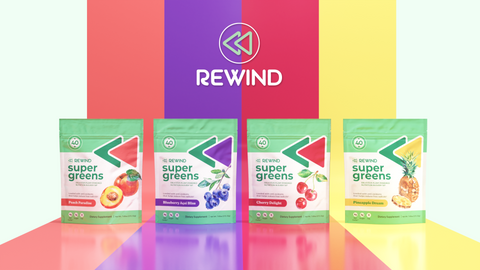
Home cooking and a daily super greens drink work well together. Cooking gives you whole foods with real texture and flavor. A super greens drink adds a quick, easy boost of plant variety on days when your meals are not perfect. Each serving of Rewind Greens brings 24 plant ingredients into one glass, including Spinach Leaf Powder, Organic Broccoli Powder, Barley Grass Powder, Wheatgrass Powder, Spirulina, Carrot Powder, and Blueberry Powder.
Very high heat can break down some of the vitamins in a super greens powder. A better way to use it is as a morning drink. Mix it into cool water or blend it into a smoothie with fruit. Then enjoy your home-cooked meals through the rest of the day. You get the best of both.
Cross-sectional analyses of national and population-based surveys have examined cooking frequency, time spent on food preparation, and diet quality.
Cooking at home does not have to mean long hours or fancy recipes. Studies suggest that people who cook more often tend to eat more fruits and vegetables and fewer fast food meals. Five simple skills can carry you through most weeks: roasting vegetables, cooking a pot of grains, making eggs, whisking a simple sauce, and using a sheet-pan dinner formula.
Start with one skill this week. Cook a little more than you need and use the extra the next day. Ask someone to cook with you. And keep your daily super greens drink as an easy habit alongside the meals you cook. Small, steady steps are what make a home-cooked routine last.
There is no perfect number. In the research, people who cooked dinner most nights of the week had the best diet patterns. But any increase from where you are now is a good start. Try adding one more home-cooked dinner each week.
No. Recipes are a guide. Once you know a formula, like the sheet-pan dinner, you can swap vegetables, proteins, and seasonings based on what you have. Baking is the exception, where measurements matter more.
Cooking for one works well with leftovers. Make a full recipe and freeze single portions. Soups, grain bowls, and roasted vegetables all keep well. You get the benefits of cooking without cooking every night.
Beans, lentils, eggs, oats, rice, frozen vegetables, and seasonal produce are all low-cost. Cooking at home is often cheaper than eating out. In one study, people who spent less time cooking spent more on food away from home.
It is better to keep your super greens as a drink. Mix it into cool water or a smoothie in the morning. High heat can break down some of the vitamins, so avoid stirring it into a hot pan or oven dish.
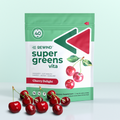
Cherry Delight
$39.99
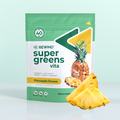
Pineapple Dream
$39.99
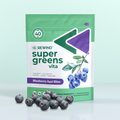
Blueberry Acai Bliss
$39.99


