

Metabolism isn’t just a buzzword - it’s the biochemical engine that powers every process in the human body, from converting food into energy to regulating hormonal communication and managing body weight. In recent years,super greens powder andGLP-1 support have emerged as intriguing players in the metabolism optimization landscape. While super greens are often marketed as comprehensive nutrient blends that support energy and digestion, the incretin hormone GLP-1 (glucagon-like peptide-1) is a key regulator of glycemic control, appetite, and metabolic balance with strong clinical research backing its role in weight management and metabolic health. In this blog, we’ll explore the science behind these two approaches; super greens and GLP-1 modulation and how they may synergistically support a healthier metabolism when integrated into a holistic lifestyle plan.
Metabolism is the sum total of all biochemical processes that keep the body alive, functioning, and adaptable to its environment. Every heartbeat, breath, thought, and muscle contraction depends on metabolic reactions happening at the cellular level. Rather than being a single process, metabolism is a highly coordinated system that determines how efficiently your body converts food into energy, builds and repairs tissues, and maintains internal balance.
Metabolism is traditionally divided into two complementary processes:
A well-functioning metabolism allows the body to efficiently extract nutrients from food, maintain stable blood sugar levels, and regulate energy expenditure. When metabolic processes are balanced, individuals tend to experience more consistent energy throughout the day, healthier body composition, and improved resilience to metabolic stressors such as inflammation or insulin resistance.
Several factors influence metabolic efficiency:
Because metabolism underpins nearly every aspect of health from weight management and energy production to blood sugar regulation and aging - supporting it through nutrition, lifestyle habits, and targeted dietary strategies is foundational to long-term wellness.
Glucagon-like peptide-1 (GLP-1) is a peptide hormone produced by intestinal L cells in response to food intake, especially nutrients like carbohydrates and fats. It plays a central role in metabolic regulation by:
These effects make GLP-1 important for blood glucose management, energy balance, and satiety regulation, all of which are key components of metabolic health.
Research shows that GLP-1 not only aids glycemic control but also contributes to energy expenditure and weight regulation. GLP-1 receptor agonists - pharmacological agents that mimic the action of GLP-1 are widely used in treating type 2 diabetes and obesity because they can:
Meta-analyses demonstrate that GLP-1 receptor agonists are associated with significant weight loss and improved metabolic outcomes in both diabetic and non-diabetic populations.
While medications like semaglutide and liraglutide are designed to strongly activate GLP-1, researchers are increasingly interested in how everyday habits can help your body produce more of this hormone naturally.
One of the most effective ways is through diet - especially fiber intake. Foods rich in fiber and prebiotics feed the beneficial bacteria in your gut. As these bacteria break down fiber, they produce compounds called short-chain fatty acids. These compounds send signals that encourage your body to release more GLP-1.
In simple terms: when you eat more fiber-rich, plant-based foods, you support your gut microbiome and a healthier gut can help your body naturally boost GLP-1.
Super greens powder is a convenient way to get a wide variety of plant nutrients in one simple scoop. Mostgreens powder formulas are made from dried and finely ground vegetables, grasses, algae (like spirulina), fruits, and plant extracts. Many blends also include probiotics, digestive enzymes, and fiber to support overall wellness.
People often add a scoop to water, smoothies, or juice to create ahealthy greens drink orgreen drink mix they can enjoy daily.
Super greens are popular because they’re designed to help:
Common ingredients found in a high-quality greens drink mix include spirulina powder, barley grass powder, wheatgrass powder, spinach leaf powder, broccoli powder, and fruit extracts that improve taste and add extra nutrients.
While research on greens powders as a category is still growing, nutrition experts agree that these blends can be rich sources of important nutrients and plant compounds. A daily greens powder drink can provide:
One of the biggest benefits of drinking greens is fiber. Fiber plays a key role in keeping digestion regular and supporting stable blood sugar levels. When fiber reaches your gut, beneficial bacteria break it down and create helpful compounds that support gut health and natural hormone balance - including hormones involved in appetite and metabolism.
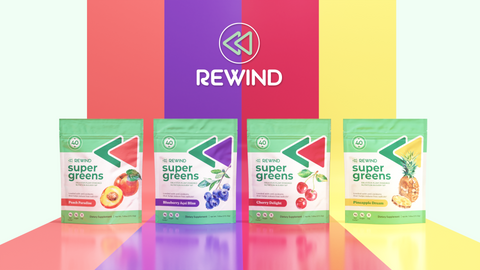
Because many people struggle to eat enough vegetables daily, adding a green drink powder or healthy greens powder like Rewind Greens to your routine can be an easy way to fill nutritional gaps and support long-term wellness.
Many plant compounds in greens powders such as carotenoids fromcarrot powder andspinach leaf powder - exhibit antioxidant and anti-inflammatory effects. Chronic inflammation is a recognized disruptor of metabolic pathways, and reducing systemic inflammation may support metabolic homeostasis.
Nutrients that contribute to improved gut health and fiber intake can influence GLP-1 secretion indirectly by supporting a healthy microbiome and stabilizing glucose metabolism. A healthy gut environment is a critical component of efficient metabolic signaling.
Greens powders packed with fiber and phytonutrients, when combined with a balanced diet can help maintain:
All of these factors overlap with metabolic pathways influenced by GLP-1.
Although greens powders alone aren’t a drug substitute, pairing them with a diet high in whole foods, lean proteins, healthy fats, and complex carbohydrates increases the likelihood of supporting endogenous GLP-1 secretion. Foods high in fermentable fiber contribute to short-chain fatty acid production, which is linked to enhanced GLP-1 release.
Here are evidence-based lifestyle strategies that align well with the science of metabolism and GLP-1 support:
Fiber slows digestion and supports glucose regulation—key to stable GLP-1 signaling. Adding a dailygreen powder drink containing grass powders, leafy greens, and phytonutrient-rich ingredients increases fiber and plant compounds that promote gut health.
Frequent small meals may help keep metabolic signaling active throughout the day, which can contribute to steady GLP-1 release patterns.
Exercise improves insulin sensitivity and can enhance metabolic rate independent of calorie expenditure. Resistance training and aerobic exercise have distinct but complementary metabolic benefits.
Both protein and unsaturated fats support GLP-1 release more than refined carbohydrates, helping with appetite regulation and longer satiety.
A well-balanced microbiome is integral to metabolic hormone signaling. Including probiotics or fermented foods alongside a healthy greens powder can further support digestive balance.
Optimizing metabolism requires a holistic approach that includes nutrient-dense foods, balanced macronutrients, physical activity, and informed lifestyle practices. Super greens powders can be a valuable part of this strategy, enhancing nutrient intake and digestive health, while GLP-1 pathways, whether naturally supported through diet or targeted through medical treatments play a central role in hormonal regulation of appetite, glucose management, and metabolic balance. Together, these strategies can help you build sustainable habits that support long-term metabolic wellness.
Research suggests that greens powders may support aspects of metabolic health by providing antioxidants, phytonutrients, and fiber that enhance digestive health and nutrient status. However, scientific evidence specific to direct metabolic rate increases is limited. They are best used as part of a balanced diet that encourages stable blood glucose and digestive function.
GLP-1 enhances insulin secretion, slows gastric emptying, and increases satiety - actions that help regulate blood glucose and reduce caloric intake. These effects collectively contribute to improved metabolic outcomes and weight loss when part of a comprehensive treatment plan.
Yes. A high-fiber diet with prebiotic foods and complex carbohydrates supports the gut microbiome and can indirectly promote natural GLP-1 production. Lean proteins and healthy fats also contribute to more stable glucose responses and hormonal balance.
No. Greens powder is a dietary supplement that can help support overall nutrient intake and digestive health. GLP-1 medications are prescription treatments with potent hormonal effects used for type 2 diabetes and obesity management. They should be used only under medical supervision.
Look for products with high-quality ingredients, no unnecessary fillers, and research-backed components such as leafy greens, grass powders, and antioxidants. Combining them with a nutrient-dense diet and lifestyle habits (e.g., physical activity and stable meal timing) offers the most comprehensive metabolic benefit.
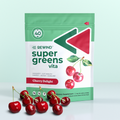
Cherry Delight
$39.99
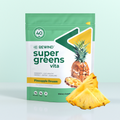
Pineapple Dream
$39.99
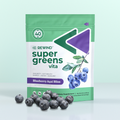
Blueberry Acai Bliss
$39.99


