

Walk into any health food store or scroll through any wellness brand online, and you'll see them everywhere — barley grass and wheatgrass. These two bright green plants show up in nearly every super greens powder on the market, often side by side. They look similar, they sound similar, and they're both celebrated as detoxifying superfoods. While they share many similarities, their nutritional profiles and health benefits differ in important ways. So what's actually the difference? And more importantly, which one is better for you?
In this blog, we're breaking down the science and the facts behind both plants — what they contain, how they work in the body, and how they fit into a well-rounded greens drink mix. We'll also address the questions we hear most from people exploring super greens for the first time. Whether you're new to drinking greens or you've been blending green powder drinks for years, this one's for you.
Barley grass is the young leaf of the barley plant (Hordeum vulgare), harvested typically 7–14 days after germination. At this early stage — before the plant matures into a grain-producing crop — the leaves are at their nutritional peak. Once dried and powdered, barley grass becomes one of the most nutrient-dense ingredients in any greens powder drink.
Barley grass is particularly rich in:
Barley grass has a mild, slightly sweet flavor compared to wheatgrass, which makes it a popular choice for greens drink mixes because it blends without dominating the taste. If you've ever sipped a healthy greens drink and found it surprisingly palatable, there's a good chance barley grass is doing some of the heavy lifting in the formula.
Wheatgrass is the young shoots of the wheat plant (Triticum aestivum), also harvested in the early grass stage before the grain develops. Like barley grass, it's most commonly sold as a dried powder — though fresh wheatgrass shots are a staple at juice bars worldwide. Wheatgrass has been used as a health supplement since the 1930s, making it one of the longest-studied green superfoods available.
Wheatgrass is particularly rich in:
Wheatgrass has a stronger, more intense grassy flavor than barley grass — which is why straight wheatgrass shots can feel like a commitment. In a well-formulated green drink powder, this flavor is balanced by other ingredients. The nutritional intensity of wheatgrass makes it one of the most compelling single ingredients in any super greens powder, despite — or perhaps because of — its bold character.
Both plants share a similar foundation — they're young cereal grasses loaded with chlorophyll and micronutrients. But the specific differences matter depending on what you're looking for from your greens powder drink.
Both barley grass and wheatgrass are exceptional sources of chlorophyll — the green pigment that gives them their color and drives much of their detox activity. Chlorophyll structurally resembles hemoglobin (the oxygen-carrying molecule in red blood cells), which is why it's been studied for its role in blood health and liver detoxification. The chlorophyll content is comparable between the two grasses, though slight variations exist depending on growing conditions and processing methods.
Here's where they diverge. Wheatgrass has a higher vitamin C content and a stronger flavonoid profile, giving it an edge in direct antioxidant power. Barley grass, on the other hand, contains Superoxide Dismutase (SOD) — an enzyme antioxidant that's harder to find in plant foods and is particularly effective at neutralizing free radicals at the cellular level. Both are excellent; they just fight oxidative stress through different mechanisms.
Wheatgrass wins here. It contains all essential amino acids, making it a complete protein in plant form — a rare distinction. Barley grass also contains protein and a good amino acid profile, but doesn't match wheatgrass's complete amino acid spectrum. For people using their healthy greens drink as part of a fitness recovery routine, this matters.
Barley grass edges ahead when it comes to B vitamins — particularly B12, which is notoriously rare in plant foods. If energy and nervous system support are your primary goals from drinking greens, barley grass may have a slight advantage in this category.
Barley grass has been more extensively studied for its effects on blood glucose. Its beta-glucan fiber content has been linked to improved insulin sensitivity and more stable blood sugar levels — a meaningful benefit for people managing energy fluctuations throughout the day.
Both grasses support detoxification primarily through chlorophyll, which binds to toxins and supports the liver's ability to neutralize and eliminate them. Wheatgrass is slightly ahead in acute antioxidant power for liver support, while barley grass contributes its SOD enzyme activity and prebiotic fibers that support gut-liver connection detox pathways.
Here's the real answer to the "which one wins" question: the best formulas don't choose. They include both. And that's by design.
Barley grass and wheatgrass have complementary nutritional profiles. Where one has a relative strength, the other fills a gap. Barley grass brings SOD enzyme activity, higher B vitamins, better blood sugar support, and a milder flavor. Wheatgrass brings complete amino acids, higher vitamin C and E, stronger flavonoid content, and decades of research behind it. Together, they create a more complete nutritional picture than either could provide alone.
This is exactly why a thoughtfully formulated greens drink mix includes both — along with other synergistic ingredients like spirulina, nori seaweed, spinach, broccoli, and powerful botanicals like green tea extract, ginkgo biloba, and astragalus root. The goal of a quality super greens powder isn't to make one ingredient do all the work. It's to combine ingredients that elevate each other.
When you're drinking greens every day — whether that's a simple glass of water with green drink powder or a full blended green powder drink — you're getting the combined benefit of a carefully selected ingredient stack, not just one plant. That's what separates a great greens supplement from a single-ingredient shot.
The simplest way to get both barley grass and wheatgrass consistently is through a quality super greens powder that includes both in its formula. That way, you don't need to buy, store, or measure two separate products — you just scoop, mix, and drink.
Here are a few easy ways to enjoy your greens drink every day:
Consistency is what drives results. Whether you prefer your greens in water, juice, or blended into food, doing it every day is what matters most. Both barley grass and wheatgrass are water-soluble and quickly absorbed — meaning even a simple daily glass of a healthy greens drink can deliver meaningful benefits over time.
The barley grass vs. wheatgrass debate is a bit like asking whether vitamin C or vitamin D is more important — both matter, both serve distinct roles, and the best outcomes come from getting both consistently.
Barley grass stands out for its SOD enzyme antioxidants, B vitamins, blood sugar support, and milder flavor. Wheatgrass leads with complete amino acids, higher vitamin C and E, potent anti-inflammatory flavonoids, and decades of clinical research. Together, they form a complementary pair that covers more nutritional ground than either could alone.
If you're choosing a super greens powder, look for one that includes both likeRewind Greens — along with other synergistic ingredients that round out the formula. A quality green drink powder should work as a system, not rely on a single hero ingredient. When barley grass, wheatgrass, spirulina, nori seaweed, green tea extract, and other well-researched botanicals work together in your daily greens drink mix, the cumulative effect on your energy, digestion, inflammation, and overall vitality is genuinely hard to replicate from diet alone.
So the real winner in the barley grass vs. wheatgrass debate? Your body — when you're drinking greens that contain both.
1. Is barley grass or wheatgrass better for detoxing?
Both barley grass and wheatgrass are excellent detox ingredients, and they support detoxification through overlapping but slightly different pathways. Both are rich in chlorophyll, which is the primary driver of their detox reputation. When barley grass and wheatgrass work together in a greens drink mix, they create broader and more sustained detox coverage than either provides alone.
2. Can people with gluten sensitivity drink greens powder that contains wheatgrass or barley grass?
This is one of the most common questions we hear from people exploring super greens powder for the first time, and it's an important one. The short answer is: most people with non-celiac gluten sensitivity can tolerate both wheatgrass and barley grass without issues, but those with celiac disease should consult their doctor before consuming either.
3. How long does it take to feel the benefits of drinking greens with barley grass and wheatgrass?
Most people notice digestive improvements within 1–2 weeks of daily barley grass and wheatgrass, followed by more stable energy by weeks 2–4. Skin benefits like a clearer complexion and reduced puffiness often appear around 4–6 weeks. For lasting results, consistency over 60–90 days provides the full benefits, making daily greens a long-term wellness investment rather than an instant fix.
4. What's the difference between a wheatgrass shot and a greens powder drink?
A wheatgrass shot delivers a quick, concentrated nutrient boost from fresh wheatgrass, with high freshness and bioavailability but limited convenience and only one ingredient. A greens powder blends barley grass, wheatgrass, and other nutrient-rich ingredients like algae, fruits, and botanicals, offering a broader spectrum of benefits, greater convenience, and practicality for daily use
5. Can I take a super greens powder that contains barley grass and wheatgrass every day?
Daily consumption of a well-formulated super greens powder is safe for most healthy adults and maximizes long-term benefits. Both grasses provide vitamins, minerals, enzymes, and antioxidants without risk of toxicity, supporting digestion, energy, immunity, and overall wellness. People with specific health conditions should consult a doctor first, but for most, daily greens are a safe and effective habit.
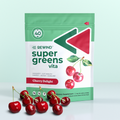
Cherry Delight
$39.99
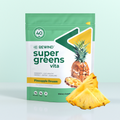
Pineapple Dream
$39.99
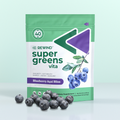
Blueberry Acai Bliss
$39.99


